
Month: October 2023

  • Common Heart Conditions Diagnosed and Treated by Cardiologists

    Common Heart Conditions Diagnosed and Treated by Cardiologists

    Let’s take a walk down the bustling streets of New York City, specifically the Upper East Side. The city that never sleeps is home to thousands, including people like you and me, battling common heart conditions. Some might be struggling with the unsightly presence of Upper East Side varicose veins. It’s an array of countless stories, each intertwined with a heartbeat. This blog will dive into the heart of the matter, exploring the common heart conditions that cardiologists diagnose and treat daily. From heart murmurs to heart attacks, we’ll unravel the complexity of these conditions and shed light on the ways to manage them.

    Heart Murmurs

    Imagine your heart is a majestic symphony, each beat a note on the score. Suddenly, an extra note – a murmur – slips in. It’s not deadly but it muddles the tune. Heart murmurs are those extra notes, often a sign of problems with heart valves. Cardiologists can hear them with a stethoscope.

    Coronary Artery Disease

    Now, imagine a bustling highway, just like the ones you see in the Upper East Side. Traffic is flowing smoothly until a truck breaks down, causing a massive jam. That’s coronary artery disease. The truck is the plaque build-up, blocking the blood flow. But cardiologists have ways to clear the jam, from medication to surgery.

    Heart Attacks

    Visualize a dam holding back a river. One day, the dam breaks, and the water floods the valley. That’s a heart attack. The dam is a clot blocking blood flow to the heart. It’s dangerous and needs immediate attention. Cardiologists are the emergency response team, armed with the tools to fix the dam.

    Managing Heart Conditions

    Living with a heart condition is like juggling fire. It’s tough and scary, but not impossible. Cardiologists are the seasoned performers teaching us the tricks. They recommend a healthy diet, regular exercise, and stress management. Medication might be part of the routine too.

    Conclusion

    Heart conditions, like Upper East Side varicose veins, are common. But with the right diagnosis and treatment, you can manage them effectively. Remember, you’re not alone in this journey. Just like the countless stories on the Upper East Side, yours is one of resilience. You too can conquer your heart condition and live a fulfilling life.

  • Relief From Bloating: Does the Green Powder Help in That?

    Relief From Bloating: Does the Green Powder Help in That?

    One of the most common symptoms of illness, bloating affects almost everyone at some point in their life. Many different things might be the root of the problem. More and more evidence is emerging in favor of using greens powder as a therapy for bloating. It goes without saying that there are good reasons for this.

    Greens powder is helpful for a variety of digestive concerns, including bloating relief and the avoidance of other digestive problems.

    How much greens powder to take and whether or not it will have any side effects are also topics we’ll discuss in this article. So do greens help with bloating? So first, we go through some rudimentary information on bloating.

    What causes this bloating, exactly?

    The digestive system (also known as the gastrointestinal tract or GI tract and comprises the stomach and intestines) gets distended with gas or air, causing bloating, also known as abdominal bloating. Feelings of fullness, distention (swelling), and tightness in the abdominal area, combined with some hardness and occasional pain, are common among the bloated.

    Signs of bloating and gas in the stomach

    Bloating symptoms may range from mild to severe, depending on the individual. The most common signs and symptoms include:

    Distended or bloated due to gas buildup, deflation, or both

    stomach bloating, gurgling, or rumbling, stomach pain, or cramping, or all three, on a regular basis

    Why would you be feeling bloated?

    A variety of conditions in the body may have a significant role in the formation of components that often induce abdominal distention or gas. Some examples may be the following:

    • The small intestinal bacterial overgrowth syndrome.
    • Lack of ability to digest certain foods, most notably carbohydrates
    • Disruptions in normal peristalsis or gastrointestinal motility
    • Diaphragm pressure due to abnormal viscerosomatic reaction Stuck bowel movements
    • Irritable bowel syndrome, or IBS, is a common digestive disorder.
    • Ulcerative colitis is one kind of irritable bowel disease (IBD).
    • Stagnant gas levels.
    • A hiccup in the gas distribution system.
    • Disturbance in the ratio of acid to base (pH imbalance).

    Just what are greens powders made of?

    Nutritional supplements made from a wide range of green foods, including vegetables and grasses, are known as “greens powders.” Greens powders are nutritional supplements that come in powdered form, as the name implies. One group that has been proven to be more interested in greens powders is those who do not eat the recommended daily quantity of vegetables and fruits. Greens powders are a convenient way to increase one’s mineral and vitamin intake to the recommended daily maximums.

    Green granules may be consumed by dissolving them in liquids like water or juice and then swallowing the resulting mixture. About 30–40 different natural ingredients go into making them, however this figure may vary somewhat across different brands.

    Some ingredients in greens powder supplements may be separated from complete meals, while others may be juiced and then dehydrated; this varies by manufacturer. The majority of greens powders will include these ingredients.

    Conclusion

    Greens powder supplements are loaded with beneficial elements including dietary fibers, probiotics, digestive enzymes, and anti-inflammatory compounds that work together to reduce bloating and improve digestive health generally. Having a healthy digestive system might lessen the chances of bloating.


  • Here Are the Key Factors to Consider Before You Buy NAC in NZ

    Here Are the Key Factors to Consider Before You Buy NAC in NZ

    N-acetylcysteine, commonly known as NAC, has gained popularity as a supplement with various potential health benefits. If you’re considering buying NAC in New Zealand (NZ), it’s essential to make an informed decision. This comprehensive guide will walk you through the key factors you should consider before you buy NAC in NZ.

    1. Quality and Purity

    The quality and purity of NAC supplements are of paramount importance. You want a product that is free from contaminants and provides you with the stated dosage of NAC. To ensure quality, consider the following:

    • Brand Reputation: Opt for well-known and reputable brands that adhere to strict quality control standards.
    • Third-Party Testing: Look for products that undergo third-party testing for purity and potency. This ensures that what you’re buying meets the claimed specifications.

    2. Dosage and Form

    NAC supplements come in various forms, including capsules, tablets, and powders. Consider the dosage form that is most convenient for you, but also pay attention to the recommended dosage. The appropriate dosage can vary depending on your specific health goals and needs, so consult a healthcare professional if you’re unsure.

    3. Health Goals

    Why are you interested in buying NAC? Understanding your health goals is crucial in determining whether NAC is the right supplement for you. Some common reasons people consider NAC include:

    • Liver Support: NAC is known to support liver health and detoxification processes.
    • Respiratory Health: It may help with respiratory conditions and mucus clearance.
    • Antioxidant Support: NAC acts as a powerful antioxidant, which can help combat oxidative stress in the body.

    Knowing your specific health goals will guide you in choosing the right NAC product and dosage.

    4. Consultation with a Healthcare Professional

    Before starting any new supplement regimen, it’s wise to consult with a healthcare professional, such as a doctor or registered dietitian. They can provide personalized recommendations based on your health status, medical history, and any potential interactions with other medications or supplements you may be taking.

    5. Price and Budget

    NAC supplements come in a wide range of prices. While cost is a factor to consider, it should not be the sole determining factor. Cheaper options may compromise on quality and purity, so balance your budget with the assurance of getting a high-quality product.

    6. Packaging and Storage

    The way a supplement is packaged can affect its shelf life and freshness. Look for products in airtight containers that protect the contents from moisture and light. Additionally, consider where and how you will store your NAC supplements to ensure they remain effective over time.

    7. Customer Reviews

    Reading customer reviews can provide valuable insights into the product’s effectiveness and the experiences of others who have used it. Keep in mind that individual responses to supplements can vary, so use reviews as a reference rather than a definitive measure of a product’s efficacy.

    8. Regulations and Legality

    In New Zealand, dietary supplements, including NAC, are regulated by the Ministry of Health. Make sure the product you’re considering complies with New Zealand’s regulations and is legally available for purchase.

    9. Possible Side Effects and Precautions

    While NAC is generally considered safe for most people when taken at appropriate dosages, it may cause side effects or interact with certain medications. Some common side effects can include gastrointestinal discomfort. If you have any underlying health conditions or take medications, discuss NAC supplementation with your healthcare provider to ensure it’s safe for you.

    10. Alternatives and Complementary Supplements

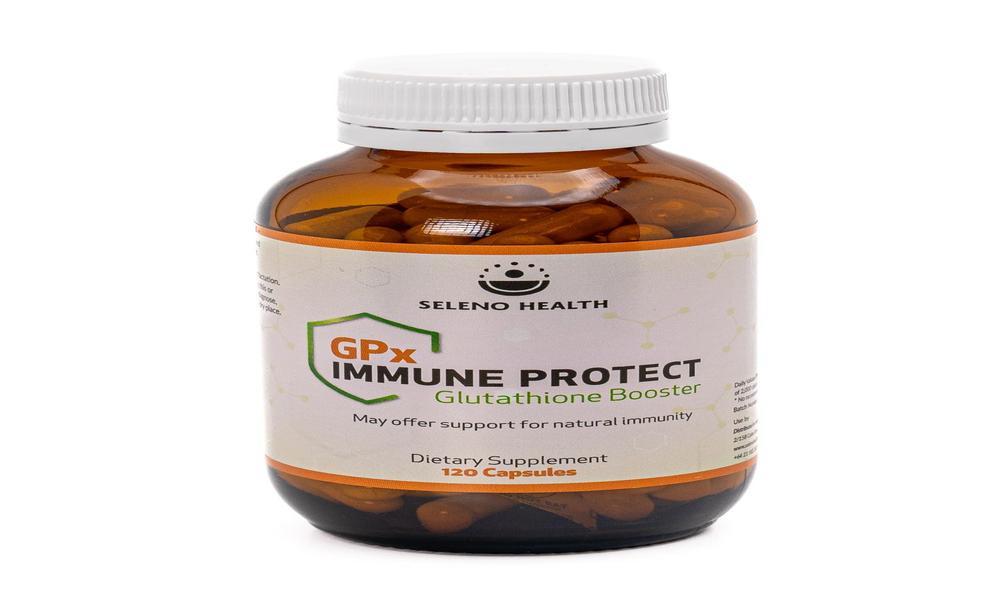
    Depending on your health goals, there may be alternative supplements or complementary ingredients that work synergistically with NAC. For example, if you’re interested in antioxidant support, you might consider vitamin C or glutathione supplements as well.

    Conclusion

    Before you buy NAC in NZ, it’s essential to consider the factors mentioned above to make an informed and safe choice. Quality, dosage, your health goals, consultation with a healthcare professional, and adherence to regulations should guide your decision. NAC has the potential to offer several health benefits, but like any supplement, it’s essential to use it responsibly and as part of a broader approach to your health and well-being.