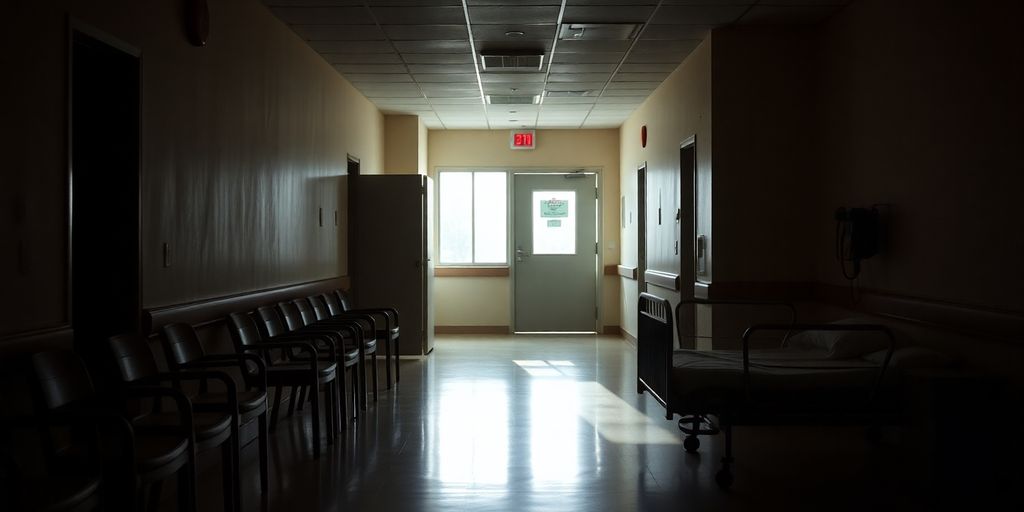
The Link Between Understaffing and Abuse
Understaffing in nursing homes isn’t just a staffing issue; it’s a major factor that can lead to abuse and neglect. When there aren’t enough caregivers, residents may not get the attention they need, which can lead to serious problems. Without proper care, residents are at risk of falls, dehydration, or even bedsores. Staff members, overwhelmed by their workload, might become frustrated or even abusive, turning a place meant for care into a source of harm.
Consequences for Resident Care
The consequences of understaffing are severe and multifaceted. Residents often face delayed responses to their needs, leading to unmet medical and personal care requirements. This can result in:
- Increased risk of medical emergencies being mishandled.
- Higher chances of neglect, both unintentional and deliberate.
- Deteriorating health conditions, sometimes resulting in death.
Emotional and Psychological Effects
Beyond physical harm, understaffing can take a toll on residents’ emotional well-being. Feelings of loneliness and isolation can become prevalent when staff are too busy to provide companionship or engage with residents. This emotional neglect can lead to:
- Increased anxiety and depression among residents.
- Behavioral changes due to lack of interaction.
- A diminished sense of dignity and self-worth.
The impact of understaffing is profound, affecting not only the physical health of residents but also their emotional and psychological well-being. Addressing these issues is crucial for ensuring the safety and dignity of nursing home residents.
Factors Contributing to Understaffing in Nursing Homes
Economic Pressures and Cost-Cutting
Understaffing in nursing homes often stems from financial difficulties faced by these facilities. Nursing homes operate on tight budgets, and the cost of maintaining a full, qualified staff is significant. Owners and managers may resort to reducing staff numbers to save on labor costs. This decision, while economically driven, can lead to severe consequences for resident care. The need to balance financial viability with quality care creates a persistent tension, which unfortunately often results in fewer staff members available to meet the needs of residents.
High Staff Turnover Rates
Another major factor contributing to understaffing is the high turnover rate among nursing home staff. The demanding nature of the job, coupled with often inadequate pay and benefits, leads many employees to seek employment elsewhere. This constant cycle of hiring and training new staff not only strains the facility’s resources but also affects the continuity of care for residents. Staff burnout is a common issue, as employees are frequently overworked to compensate for the lack of personnel, further exacerbating turnover.
Intentional Understaffing by Management
In some cases, management may intentionally understaff their facilities as a cost-saving measure. This practice can be driven by a desire to maximize profits or reduce operational expenses. However, this approach can have dire implications for resident care and safety. Intentional understaffing often results in increased workloads for existing staff, leading to fatigue and a higher likelihood of errors or neglect. It is a short-sighted strategy that ultimately undermines the quality of care provided to residents.
Legal and Ethical Implications of Understaffing
Regulatory Standards and Compliance
Nursing homes are expected to meet certain regulatory standards to ensure the safety and well-being of their residents. However, understaffing can lead to violations of these standards, putting facilities at risk of legal action. Compliance with staffing regulations is crucial to avoid penalties and ensure quality care. Facilities must maintain accurate records of staffing levels, as false reporting can lead to severe consequences. The Affordable Care Act mandates that staffing data be verified through payroll, preventing nursing homes from providing misleading information.
Ethical Considerations in Resident Care
The ethical implications of understaffing are profound. When there aren’t enough staff members to care for residents adequately, the quality of care diminishes significantly. This can lead to neglect, where basic needs such as nutrition, hygiene, and medical attention are not met. The ethical responsibility of nursing homes is to prioritize resident care and ensure that each individual receives the attention they deserve. Neglect and abuse due to understaffing are not just legal issues but moral failures.
Legal Recourse for Affected Families
For families affected by nursing home understaffing, legal recourse is available. They can pursue action against facilities that fail to meet required staffing levels, leading to neglect or abuse. Legal cases often focus on the harm caused by inadequate care, such as malnutrition, dehydration, or untreated medical conditions. Families may seek compensation for damages and advocate for better staffing practices to prevent future incidents. Understanding the legal rights and options available is essential for families dealing with the consequences of understaffing in nursing homes.
The Role of Staff in Preventing Nursing Home Abuse
Importance of Adequate Staffing Levels
In nursing homes, having enough staff is super important. Without enough people to help, residents might not get the care they need. This lack of attention can lead to serious issues, like falls or not getting the right medicine. Adequate staffing ensures that each resident receives personalized care and attention. When there are enough caregivers, they can spend more time with each person, making sure they are comfortable and safe.
Training and Support for Caregivers
Training is key for caregivers. They need to know how to handle different situations and care for residents properly. Regular training sessions can help staff stay updated on the best practices. Also, having support from management and colleagues makes a big difference. It helps caregivers feel confident and valued in their roles. This support can lead to better care for residents, reducing the risk of abuse.
Creating a Safe Environment for Residents
A safe environment is crucial for preventing abuse in nursing homes. Staff play a big role in this by being attentive and responsive to residents’ needs. They should watch for any signs of abuse or neglect and report them immediately. Healthcare providers are essential in identifying and reporting abuse, acting as advocates for residents. Creating a culture of safety involves everyone, from management to caregivers, working together to protect residents.
Identifying Signs of Abuse Due to Understaffing
Physical Indicators of Neglect
Unexplained weight loss or dehydration in nursing home residents can indicate neglect. Signs such as sudden weight loss or insufficient food and water intake are critical red flags that should not be ignored. Other physical signs of neglect might include bedsores, poor personal hygiene, and a general decline in health. These are often the result of staff not having enough time or resources to attend to each resident’s needs adequately.
Behavioral Changes in Residents
Residents may exhibit behavioral changes when suffering from neglect due to understaffing. It’s not uncommon for them to become withdrawn, depressed, or anxious. These emotional shifts can be subtle but are significant indicators of underlying issues. Family members should be vigilant about noticing any changes in demeanor, as these can be signs that a resident is not receiving the care they need.
Reporting and Documentation
When neglect is suspected, it is crucial to report and document these concerns. Keep a detailed record of any incidents or signs of neglect. This might include taking notes of unreasonably delayed response times or observing staff appearing rushed and overwhelmed. Reporting these issues to the appropriate authorities can help ensure that action is taken to address staffing shortages and improve care for residents. Additionally, documentation can be vital if legal action becomes necessary.
Strategies for Addressing Understaffing in Nursing Homes
Policy Changes and Advocacy
To tackle the issue of understaffing in nursing homes, policy changes and advocacy play a crucial role. Lobbying for legislation that mandates higher staffing levels can be effective. There have been suggestions for laws requiring nursing homes to provide each resident with a minimum of 4.1 to 4.85 hours of direct care daily. Although challenging to enforce, such policies could significantly improve care quality. Advocacy groups can also push for better reimbursement rates, which would allow facilities to hire and retain more qualified staff.
Improving Recruitment and Retention
Recruiting and retaining staff in nursing homes is a persistent challenge. Many facilities face high turnover rates due to burnout and inadequate compensation. To address this, nursing homes could focus on:
- Offering competitive wages and bonuses to attract skilled professionals.
- Providing a supportive work environment to reduce burnout.
- Implementing continuous training programs to enhance staff skills and job satisfaction.
By improving these areas, nursing homes can create a more stable workforce and reduce the cycle of staffing shortages.
Technological Solutions and Innovations
Incorporating technology in nursing homes can alleviate some of the burdens caused by understaffing. Innovative solutions, such as electronic health records and automated medication dispensing systems, can streamline administrative tasks and free up staff time for direct patient care. Additionally, telehealth services can provide remote consultations, reducing the need for on-site healthcare professionals. By embracing these technological advancements, nursing homes can improve efficiency and enhance patient care.
Case Studies: Understaffing and Its Consequences
Notable Legal Cases and Verdicts
Understaffing in nursing homes has led to significant legal cases, highlighting the dire consequences of inadequate staffing. One notable case involved a facility where residents suffered from severe neglect due to insufficient staff. The court found the nursing home guilty of negligence, resulting in a substantial financial penalty. Such cases underscore the critical need for appropriate staffing levels to ensure resident safety and well-being.
Impact on Resident Health and Safety
The effects of understaffing on resident health and safety are profound. Residents often experience neglect, leading to conditions like bedsores, malnutrition, and dehydration. In some instances, the lack of prompt medical attention has resulted in severe health deterioration or even fatalities. Understaffing compromises the quality of care, putting residents at significant risk.
Lessons Learned from Past Incidents
Past incidents of understaffing provide valuable lessons for improving nursing home care. Facilities must prioritize hiring and retaining qualified staff to prevent neglect and abuse. Implementing robust training programs and support systems can also mitigate the risks associated with understaffing. Additionally, social isolation and emotional neglect must be addressed to enhance the overall well-being of residents.
The Future of Nursing Home Staffing
Trends in Workforce Development
The landscape of nursing home staffing is changing, driven by various trends in workforce development. One significant trend is the push towards better educational opportunities for those entering the field. Training programs are increasingly focusing on specialized skills to prepare staff for the unique challenges of elder care. Additionally, there’s a growing emphasis on diversity and inclusion within the workforce, aiming to reflect the diverse backgrounds of residents.
Potential Policy Reforms
Policy reforms are on the horizon, with the potential to reshape how nursing homes operate. Governments are considering regulations that would mandate minimum staffing levels, ensuring that each resident receives adequate care. Such reforms could also include financial incentives for facilities that maintain high staffing standards. Moreover, CMS’s national Nursing Home Staffing Campaign aims to boost the number of nurses, addressing the persistent shortage.
Innovations in Care Delivery
Innovations in care delivery are set to transform nursing home environments. From telehealth services to advanced monitoring systems, technology is playing a crucial role in enhancing care quality. Robotics and AI are being explored to assist with routine tasks, freeing up staff to focus on more personalized care. These innovations not only improve efficiency but also enhance the quality of life for residents, making nursing homes safer and more responsive to their needs.
Community and Family Involvement in Nursing Home Care
Advocating for Loved Ones
When it comes to nursing home care, families play a vital role in advocating for their loved ones. Regular visits and open communication with the facility staff ensure that the residents’ needs are being met and any concerns are addressed promptly. Families should also familiarize themselves with the rights of residents to ensure their loved ones receive the care they deserve. Being proactive in discussions about care plans and health updates can significantly impact the quality of life for residents.
Building Stronger Support Networks
Creating a strong support system around nursing home residents is essential. This involves not only the family but also friends and community members who can provide emotional and social support. Emotional connections among residents, staff, and family members can help create a more inclusive and supportive environment. Organizing community events or support groups can foster a sense of belonging and improve the overall atmosphere within the facility.
Collaborating with Care Providers
Effective collaboration between families and care providers is crucial for the well-being of nursing home residents. Families should engage in regular discussions with healthcare providers to stay informed about their loved one’s health status and any changes in their care plans. By working together, families and care providers can ensure that residents receive comprehensive and personalized care. Establishing a collaborative relationship can also help address any issues related to understaffing, ensuring that residents’ needs are not overlooked.
Challenges in Enforcing Staffing Regulations
Monitoring and Accountability
Monitoring staffing levels in nursing homes is a complex task. It’s not just about numbers; it’s about ensuring quality care. Accurate reporting is crucial, yet many facilities have been known to misrepresent staff levels. This issue became more transparent after the Affordable Care Act required nursing homes to submit daily payroll reports. However, the challenge remains in verifying the authenticity of these reports and ensuring compliance with the standards.
Barriers to Effective Enforcement
One of the main barriers is the inconsistency in staffing standards across states. While some states like New York and Massachusetts have increased their staffing requirements, others have relaxed them. This lack of uniformity makes it difficult to enforce a nationwide standard. Moreover, the financial strain on nursing homes, often due to underfunded Medicare and Medicaid systems, limits their ability to maintain adequate staffing levels. This financial challenge is further compounded by high turnover rates and burnout among staff.
Role of Government and Agencies
Government bodies and agencies play a vital role in setting and enforcing staffing regulations. However, without a federal mandate on minimum staffing levels, states have taken varied approaches, leading to a patchwork of regulations. The AHA’s challenge to the CMS rule mandating 24/7 RN availability highlights the ongoing debate about the feasibility and necessity of such regulations. Agencies must balance the need for stringent staffing requirements with the practical realities faced by nursing homes, ensuring that regulations do not inadvertently lead to facility closures or reduced care quality.
The Economic Impact of Understaffing on Healthcare Systems
Cost of Neglect and Abuse
Understaffing in nursing homes often leads to neglect and abuse, which can have serious financial repercussions. When residents do not receive adequate care, their health conditions can worsen, resulting in costly medical interventions. This not only increases the financial burden on individual families but also strains the resources of the healthcare system as a whole. Hospitals and emergency services may see an uptick in admissions from nursing homes, which are often preventable with proper staffing.
Financial Burden on Families
Families of nursing home residents often bear the financial brunt of understaffing. They might need to hire additional private caregivers or pay for unexpected medical expenses that arise due to neglect. Moreover, the emotional toll on families can be significant, as they may feel compelled to frequently visit and monitor their loved ones’ care, potentially impacting their own work and financial stability.
Long-Term Implications for Healthcare
The long-term implications of understaffing in nursing homes extend beyond immediate costs. Chronic understaffing can lead to a decline in the overall quality of care, which may necessitate policy changes and increased regulation. This can result in higher operational costs for nursing homes, which might be passed on to residents and their families. Furthermore, the reliance on temporary staffing solutions, as highlighted by the nursing shortage, can drive up labor costs and reduce continuity of care, affecting patient outcomes negatively. Addressing these issues requires a coordinated effort to improve staffing levels and ensure sustainable healthcare practices.
Supplementary Resources
Ben Crump Law
Nursing Home Abuse Center
Levin and Perconti
Lanier Law Firm
Lawfirm.com
Pintas Law Firm
Nursing Homes Abuse
Nursing Home Law Centers
Weitz and Luxenberg Law Offices
USclaims.com
Senior Justice