Month: November 2025

  • Dubai Hair Transplant: A Professional Month-by-Month Results Timeline and In-Depth Guide

    Dubai Hair Transplant: A Professional Month-by-Month Results Timeline and In-Depth Guide

    Hair transplantation in Dubai represents a strategic investment in personal appearance and confidence, facilitated by cutting-edge technology and expert surgical teams. Understanding the post-procedure growth timeline is critical for patients to align expectations with clinical realities. This comprehensive guide delineates the month-by-month hair transplant results timeline, highlights key factors influencing outcomes, and positions Dubai as a premier global destination for hair restoration in 2025.

    The Hair Growth Cycle Post-Transplant: Foundational Understanding

    Hair follicles inherently cycle through three phases:

    • Anagen (Growth Phase): Active hair production.
    • Catagen (Transition Phase): A brief phase signaling growth cessation.
    • Telogen (Resting Phase): Hair rests before shedding naturally.

    Post-transplant follicles undergo this same biological cycle, necessitating a measured timeframe for visible growth. Recognizing this natural progression is essential for setting patient expectations and designing effective post-operative protocols.

    Month-by-Month Hair Transplant Results Timeline in Dubai

    Week 1: Immediate Post-Operative Phase

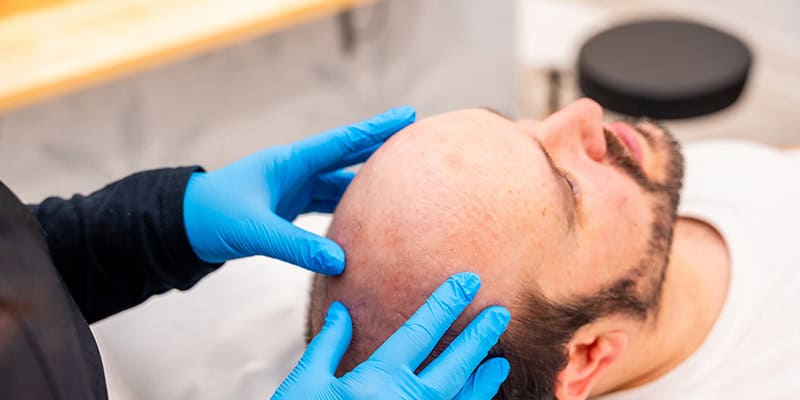
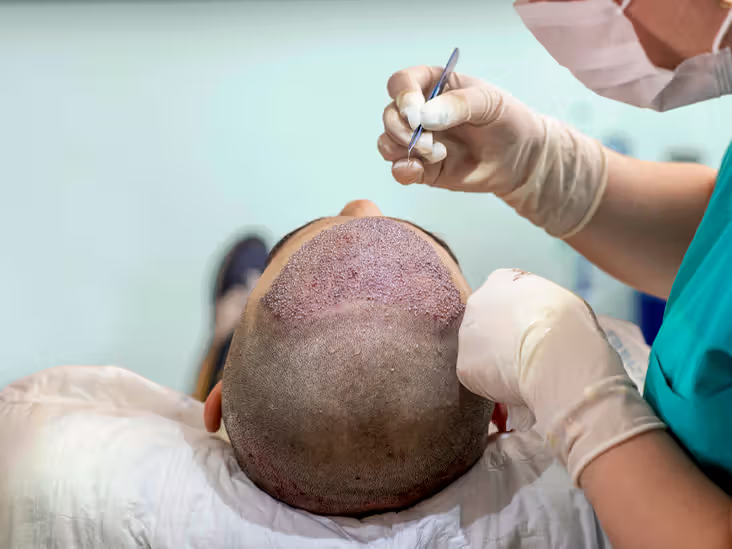
    The initial week involves scalp healing marked by mild erythema, swelling, and scab formation around grafts. Patients typically resume normal professional and social activities within 3–5 days. Meticulous care to avoid disturbing grafts is emphasized to optimize follicle survival.

    Weeks 2–3: Shedding (Shock Loss) Phase

    During this period, transplanted hair shafts shed due to “shock loss,” a physiological process reflecting follicles transitioning into the resting phase. This phenomenon, while potentially disconcerting, indicates follicles remain viable beneath the skin, preparing for regrowth.

    Months 1–2: Dormancy Phase

    Clinically, the scalp appears stable with minimal visible hair growth as follicles undergo regeneration. Patient reassurance is critical during this stage to mitigate premature concerns.

    Month 3: Initial Hair Growth

    Early emergence of fine, vellus hairs marks the transition to active follicle proliferation. Hair strands are thin and irregular but signify the onset of successful engraftment and follicular activity.

    Months 4–5: Progressive Density Development

    Hair density improves progressively with increasingly uniform distribution across treated areas. This phase often coincides with adjunctive therapies such as Platelet-Rich Plasma (PRP) treatments, which have demonstrated efficacy in accelerating follicular recovery and strengthening hair shafts.

    Month 6: Midpoint Clinical Evaluation

    At approximately six months, patients typically observe 50–60% of anticipated hair restoration. Hair thickens, texture improves, and integration with native hair becomes more natural. This juncture allows for clinical reassessment and potential optimization of aftercare protocols.

    Months 7–9: Maturation Phase

    Significant maturation of transplanted follicles occurs, resulting in fuller, thicker hair with natural aesthetic characteristics. Patients benefit from continued nutritional support and avoidance of deleterious hair care practices to sustain growth quality.

    Months 10–12: Final Outcome Achievement

    By one year post-procedure, 90–100% of hair transplant results are realized. The reconstructed hairline appears fully natural, with robust texture and volume consistent with patient goals. This final stage marks the culmination of the hair restoration journey.

    Key Determinants Impacting Hair Transplant Outcomes in Dubai

    • Surgical Technique: Advanced methodologies such as Follicular Unit Extraction (FUE), Direct Hair Implantation (DHI), and Choi Pen implantation offer enhanced graft survival and expedited recovery.
    • Donor Site Integrity: The quality and density of donor follicles directly influence transplantation success.
    • Post-Operative Compliance: Patient adherence to clinical instructions is paramount to minimize complications and optimize results.
    • Lifestyle Factors: Nutritional status, smoking, and alcohol consumption affect follicular health and regeneration capacity.
    • Clinical Expertise: Dubai clinics distinguished by board-certified surgeons and comprehensive care protocols demonstrate superior outcomes.

    Evidence-Based Aftercare Protocols for Optimal Hair Transplant Success

    • Utilize only clinician-recommended cleansing agents and serums.
    • Avoid direct sunlight exposure, excessive heat, and strenuous physical activity for a minimum of two weeks.
    • Maintain elevated head positioning during sleep for the initial postoperative days to reduce edema.
    • Refrain from smoking and alcohol consumption for at least ten days post-surgery.
    • Attend all scheduled postoperative evaluations to monitor progress and intervene promptly if required.

    The Strategic Role of PRP Therapy in Hair Transplant Maintenance

    PRP therapy has emerged as a scientifically supported adjunct to hair transplantation. Administered typically starting at month 3 or 4 post-surgery, PRP leverages autologous growth factors to:

    • Enhance follicular strength and viability.
    • Expedite the anagen phase initiation.
    • Improve hair shaft thickness and density.

    Repeated sessions at clinician-directed intervals maximize therapeutic efficacy.

    Why Dubai Leads as a Hair Transplant Hub in 2025

    Dubai’s prominence as a hair restoration epicenter is underpinned by:

    • Access to state-of-the-art technologies (e.g., Sapphire FUE, DHI, Choi Pen) unavailable in many regions.
    • Highly credentialed, internationally trained surgeons with robust clinical experience.
    • World-class medical infrastructure combined with luxury patient experiences.
    • Competitive pricing structures relative to Western markets, offering excellent value for quality.
    • Streamlined medical tourism infrastructure facilitating patient travel and care continuity.

    Typical procedural costs range from AED 7,000 to AED 15,000 depending on graft quantity and technique complexity.

    Hair Transplant Growth Timeline Overview

    TimelineClinical PhaseObservable Change
    Week 1Healing & scab formationMinimal visible change
    Weeks 2–3Shock lossTemporary shedding
    Months 1–2DormancyNo significant growth
    Month 3Early growthAppearance of fine baby hairs
    Months 4–5Density progressionNoticeable thickening
    Month 6Midpoint evaluation~50–60% of final results
    Months 7–9MaturationFuller, natural hair density
    Months 10–12FinalizationStable, natural hairline

    Frequently Asked Questions (FAQs)

    Q1: What is the expected duration of a hair transplant procedure in Dubai?
    A: Procedures typically last 6–8 hours depending on graft volume and technique.

    Q2: What post-operative discomfort should patients expect?
    A: Local anesthesia mitigates intraoperative pain; mild swelling and tenderness may persist briefly after surgery.

    Q3: When is it safe to resume professional and social activities?
    A: Most patients return to routine engagements within 3–5 days post-transplant.

    Q4: Are transplanted hairs permanent?
    A: Transplanted follicles generally maintain resistance to androgenic alopecia, offering lasting results.

    Q5: What is shock loss, and how long does it last?
    A: Shock loss refers to temporary hair shedding post-transplant, resolving within weeks to months as follicles regenerate.

    Q6: Can individuals with underlying health conditions undergo hair transplantation?
    A: Eligibility is determined after thorough medical evaluation; certain conditions may require specialist consultation or delay.

    Q7: How should patients select the best hair transplant clinic in Dubai?
    A: Consider surgeon credentials, patient reviews, technology availability, and comprehensive aftercare services.

    Q8: Is insurance coverage available for hair transplantation procedures in Dubai?
    A: Typically, hair transplants are considered elective cosmetic procedures and are not covered by insurance.

    Conclusion

    Hair transplantation in Dubai embodies a confluence of advanced medical technology, expert surgical proficiency, and exemplary patient care. By comprehensively understanding the month-by-month results timeline and adhering to rigorous aftercare, patients can confidently navigate the path to natural, permanent hair restoration.

    Dubai’s unparalleled clinical standards and patient-centric approach make it the strategic choice for hair transplantation in 2025. This procedure is not merely a cosmetic intervention but a meticulously planned transformation delivering long-term aesthetic and psychological benefits.

    Author Bio:

    BM Digital Marketing Agency in Dubai, specializes in lead generation and digital marketing for health clinics. We deliver tailored SEO, PPC, website design, and social media strategies that attract and convert quality patient leads while driving clinic growth and patient engagement.

  • The Essential Guide to Choosing the Right Fall Protection Equipment for Safer Worksites

    The Essential Guide to Choosing the Right Fall Protection Equipment for Safer Worksites

    Moving on to the next point itself is risky about working at height. One wrong step and boom, you´re crippled for life. This is why there is no compromise in the safety standards of today and the fall protection equipment is as important as any other. Quality gear is more than regulation compliance; it’s confidence for employees, and zero disruption to your operation from avoidable hazards.

    The Foundation of Safety is in Gear

    Every job site is different. Some workers climb ladders. Some traverse rooftops; others are on aerial platforms to make repairs. Across all of these scenarios, dependable fall protection gear serves as the first line of defense. The motivation is simple: avoid falling, and if so, provide an impact buffer.

    Picking the proper skills recognizes the particular needs of the group. And that means not taking shortcuts that put people in harm’s way.

    Understanding the Core Components

    There are a few key pieces of fall protection systems that they depend on. Each of these help in protecting the worker. The risk is so low when these components function together.

    Some common fall protection equipment includes:

    • Full-body harnesses
    • Lanyards and lifelines
    • Anchor points
    • Self-retracting devices

    Every bullet has to be strong, tested, and appropriate for the job.

    Strength Isn’t Everything; Fit and Comfort Are

    Some think nice gear is where it all ends. But comfort is equally important. Workers wear harnesses for hours. Ill-fitting items distract and tire.

    Fall protection gear can come with higher quality padding, a more balanced weight distribution, and even adjustable straps. Workers put on confident work trousers and keep their focus on the job when the gear feels good.

    Durability Saves Money and Lives

    Attractive as it might seem, inexpensive equipment does not last long. However, cracked buckles, ripped straps and strained anchor lines are disasters waiting to happen. Quality fall protection equipment is made with durable materials that are meant to stand the test of regular use, combined forces, and weather.

    A well-built system − fewer replacements − less long-term cost. Most importantly, it maintains employee safety on every climb.

    Training Makes the Equipment Effective

    Even the best equipment is useless if people do not know how to use it. Workers need to know how to adjust harnesses, check components, and confirm anchor points are secured. And this is precisely why training is a key element in any safety scheme.

    Fall protection companies should also have some sort of regular inspections. Before something goes wrong − meaning accidents − you can unearth damage through early detection.

    Matching Equipment to the Job

    All tasks are not the same. Each of these solutions require something different − rooftop maintenance solution, construction framing solution, and electrical solution. Feel the working environment before purchasing gear.

    Look at:

    • Height levels
    • Potential fall distances
    • Available anchor points
    • Worker movement patterns

    It allows for a proper selection of fall protection equipment suited to conditions instead of expecting workers to adjust to ill-fitting tools.

    Final Thoughts

    Smart selections − and quality gear − are the keys to safe working at height. Purchasing quality fall protection equipment protects the company’s people, maintains safety, and health compliance and keeps costly problems from happening. Each harness, anchor, and lanyard help create a safer worksite − and no business can afford to ignore that.

  • Finding Excellence Essential Skills for Temp Dental Assistants

    Finding Excellence Essential Skills for Temp Dental Assistants

    Hiring temporary dental assistants offers great flexibility now. It skilfully bridges staffing gaps quickly. Dental offices consistently seek top talent. Quality patient care remains paramount always. A temporary assistant must integrate smoothly. They need core competencies immediately. Evaluating candidates demands very careful attention. Their reliable skills ensure practice continuity. It truly maintains high patient satisfaction levels. Kwikly helps connect busy offices with qualified dental professionals fast. Finding the right fit saves precious time. It decisively prevents workflow disruption. Smart hiring choices benefit the entire dental team. This guide outlines essential attributes. It focuses on necessary qualifications. Offices find success this way.

    Clinical Competence and Certifications

    A temporary dental assistant needs strong clinical skills. They must perform chairside duties flawlessly. Assisting with various procedures is crucial daily. Instrument sterilization demands precision always. Four-handed dentistry experience proves vital. A solid understanding of dental terminology remains essential. Radiography skills are often absolutely required. Those working as dental assistant temps must also understand state-specific expectations clearly. State-specific certifications are clearly mandatory for all. Local requirements vary sometimes significantly. Always check for current licensure carefully. Ensure valid X-ray certification is present. Basic life support BLS is also critical. These core qualifications verify true competence. They guarantee safe patient care delivery. A clinically skilled assistant greatly boosts office efficiency. This expertise offers immediate value. It ensures smooth daily operations seamlessly.

    Clear Communication Is Absolutely Paramount

    Assistants interact with patients constantly. Explaining procedures helps patients relax greatly. They answer patient questions thoroughly and kindly. They also collaborate effectively with dentists. Other team members rely on their clear input. Listening actively truly shows respect. Non-verbal cues matter greatly too. A genuinely positive attitude spreads cheer. Empathy comforts anxious patients often. Building rapport is essential always. A warm friendly demeanour relaxes everyone.

    Skill and Reliability

    Professionalism clearly defines a great temporary assistant. Ethical conduct is expected always. A strong tireless work ethic shines through. They complete tasks efficiently and accurately. Reliability builds strong vital trust. Offices desperately need dependable staff members. Temporary assistants represent the entire dental practice. Their conduct reflects on everyone. A professional demeanour leaves lasting positive impressions. Many practices rely on platforms like Kwikly to find assistants who embody this level of professionalism. They fit seamlessly into almost any team.

    Tech Savvy and System Familiarity

    Modern dentistry relies heavily on technology greatly. Dental assistants often use complex practice management software. Familiarity with electronic health records is absolutely key. Digital imaging systems are common everywhere. Intraoral cameras are used daily for diagnostics. Knowing these essential tools saves valuable training time. Basic computer skills are truly essential for every role. Troubleshooting minor tech issues helps immensely. Adaptability to new software is critical always. Many offices use different unique systems. A quick learner excels here consistently. Understanding digital workflows streamlines daily tasks. Efficient tech use boosts overall productivity. This vital skill set adds huge value.

  • Explain The Significance Of The Advanced FUE Hair Transplant

    Explain The Significance Of The Advanced FUE Hair Transplant

    Hair loss is no longer an accepted phenomenon. With modern technology, there are ways to not only restore hair but also self-esteem. Among all the techniques developed over time, FUE Hair Transplant became the first choice in the minds of those looking for natural, permanent results. Particularly with its advanced version, this method has re-established the boundaries of hair restoration to become one of the most sought-after treatment options for those patients considering a hair transplant in India.

    What is a FUE Hair Transplant?

    Follicular Unit Extraction (FUE) is a minimally invasive hair restoration procedure where individual hair follicles are extracted from the donor area (usually the back or sides of the scalp) and transplanted to the thinning or balding regions. Unlike the older strip methods of extracting hair, FUE does not cut a strip of scalp tissue, thus preventing the occurrence of visible linear scarring and lengthening recovery processes.

    The “advanced” in advanced FUE pertains to the refinements of tools, precision techniques, and artistry of implantation, all to provide significantly better results. Innovations such as motorised punches, sapphire blades, and advanced implanters have taken FUE to the next level, thus ensuring higher graft survival rates and more natural outcomes.

    Why Advanced FUE Is a Game Changer

    • Scar-Free Procedure

       One of the main concerns with hair transplantation is scarring. Advanced FUE uses micro-punches that leave tiny dot scars, almost invisible to the naked eye. This makes it an excellent option for anyone with short hair.

    • Natural-Looking Results

       With the advanced tool, the surgeons can control the angle, depth, and direction of the implanted grafts. Largely, this contributes to ensuring that the new hair blends in with the existing hair, yielding a natural look.

    • Minimally Invasive and Less Painful.

       Compared to the previous techniques, advanced FUE is the least invasive and causes no damage to the scalp. There is less discomfort felt by the patient during and post-procedure, resulting in a very smooth recovery.

    • Fast Healing and Recovery

     Healing requires a much lesser time because there are no stitches or sutures. Within a few days, the patients will return to work or normal activities.

    • Versatility in Application.

    Advanced FUE is not restricted to scalp hair restoration. It can also be used for beard transplants, eyebrow reconstruction, and even to correct poorly done hair transplants from the past. This versatility has widened its appeal across both men and women.

    Advanced FUE vs FUT: The Distinct Difference

    Follicular Unit Transplantation (FUT) involves surgically removing a strip of scalp, which often results in a noticeable scar. While it allows harvesting of a large amount of grafts in one session, it is characterised by a longer recovery time and higher discomfort.

    In contrast, the advanced FUE does not put the patient at the risk of stitches, scarring, or downtime. Grafts can be extracted from alternate sites of the donor area, like the beard/chest, which is not the case with FUT. It is thus more adjustable and patient-friendly, especially for those who want least disruption in their lifestyles.

    Advanced FUE in India

    There has been a drastic increase in the demand for hair transplant in India within the last decade. Increased awareness, improved lifestyle standards, and lower costs have made India the destination of choice for advanced procedures. Most Indian clinics with experienced surgeons now implement cutting-edge FUE techniques on the same level as the best in the world.

    Cost is another strong consideration for patient choice in India. Although the advanced FUE technique does cost more than conventional methods, the cost is still much lower than in the USA or UK, thus making India a hotspot for medical tourism. With enormous treatment opportunities and top medical care, our Rated Specialist-duo can address you. 

    Who Should Consider Advanced FUE?

    • Young professionals seeking a rapid recovery with minimal scarring.
    • Individuals with patches of baldness or early baldness who desire a natural appearance with increased density.
    • Women with thinning hair who would require a more delicate and precise placement.
    • People wishing to restore facial hair, like a beard or eyebrows.
    • People correcting failed or outdated procedures.

    Importance of Choosing the Right Surgeon

    Advanced FUE presents a lot of promise, yet still largely depends on the skill of the surgeon for its performance. Transplants that are poorly done are likely to have low graft survival with unnatural hairlines or patchiness of density. Hence, going for a certified and experienced surgeon is non-negotiable.

    When choosing a clinic in India, the following points should be considered:

    • Surgeon qualification and experience. 
    • Before-and-after case studies. 
    • Patient feedback/testimonials. 
    • Availability of advanced technology. 
    • Personal consultations and transparency with regard to cost.

    Steady Long-Term Benefits of Advanced FUE

    • Permanent Solution: The transplanted hair follicles will resist pattern baldness, thus ensuring a really long-lasting growth for these follicles.
    • A Confidence Boost: The act of restoring hair replaces self-image and builds confidence level.
    • Low Maintenance: After the transplanted hair grows, it gets washed, cut, and styled like natural hairs with no maintenance.

    The Future of Hair Restoration with FUE

    The most up-to-date future of FUE advances is the application of robotics, regenerative medicine, and stem cell techniques. These promises improved survival rates of the grafts, longer recovery times, and more naturally looking results. What does this give for the patients? Hair restoration is about to become faster, safer, and incredibly precise in the ensuing years.

    Final Thoughts

    As in the past, so now the Advanced FUE Hair Transplant sets its own bench marking in hair restoration. Such natural results, minimally invasive procedures, and flexibility have made the techniques a very dependable choice amongst patients worldwide. For that matter, advanced hair transplants in India promise some combination of quality, price, and advanced technique that candidates look for. 

    Hair restoration does not stop from getting back the lost strands; it includes the regaining of confidence, the redefining of self-image, and a new beginning in life. That is what Advanced FUE achieves, combining precision, artistry, and science.

  • Anger is NOT a Standalone Problem. Hjælp til Vredeshåndtering

    Anger is NOT a Standalone Problem. Hjælp til Vredeshåndtering

    Looking Inward

    If you are struggling with overwhelming frustration or frequent outbursts, you have already taken the crucial first step: seeking hjælp til vredeshåndtering. Most people forget that anger is not a standalone problem; it is fundamentally a reaction that occurs in a situation surrounding us. While you may not be able to control the initial event that triggers you, the key to freedom lies in understanding that this reaction must always have some form of a base trigger. Transformation requires looking inward and performing a self-diagnosis to figure out exactly where that rage is rooted.

    The aggressive outburst you experience is rarely the actual problem; it is merely a symptom. Anger is almost always a secondary emotion. It functions as an emotional armor against deeper, more vulnerable feelings like fear, deep sadness, shame, loneliness, or profound hurt.

    Feeling Vulnerable

    When individuals feel vulnerable—perhaps feeling ignored, disregarded, or ineffective—they often shift to anger unconsciously because it offers a temporary sense of power and control and a surge of energy, making them feel less helpless. Relying on anger, however, ensures that the original underlying cause of the pain remains unaddressed, which only worsens the destructive pattern over time. If you are constantly allowing anger to dictate your life, you are likely avoiding these core, painful feelings.

    To break the anger habit, you must systematically identify your unique emotional process. This requires becoming an expert observer and identifying the events and situations that ignite your frustration.

    Start by becoming highly skilled at recognizing the physiological cues that signal anger is rising, such as an increased heart rate, muscle tension in the neck or shoulders, or a clenched jaw. These physical symptoms are your body signaling that stress hormones are surging.

    Self-Diagnosis

    Once you spot these cues, perform a self-diagnosis to figure out exactly what the true emotional issue is. Question your anger: Why is the situation causing such extreme reactions? Are you blaming yourself? Is the anger an expression of guilt, fear, or vulnerability? By exploring your inner landscape of thoughts, feelings, and impulses, you uncover the root causes—the preconditioned sensitivities or core beliefs that fuel your reaction.

    Once you identify the baseline reason for your rage—the underlying issue that triggers the reaction—you gain the knowledge and power to address the issue directly. This therapeutic shift means focusing on correcting the underlying issue or coming to terms with the baseline circumstance so that it doesn’t bother you as much.

    This process may involve restructuring automatic thinking patterns, changing rigid assumptions, or letting go of core beliefs that reinforce distress. The path to freedom involves separating the unavoidable feeling of anger from the controllable action you choose to take when it arises. This approach allows you to focus your energy entirely on solving the problem rather than trying to control an emotion that is inherently difficult to manage.

    Emotional Freedom

    The journey toward emotional freedom requires consistent, intentional effort. When you sense anger coming, acknowledge it immediately and commit to deploying immediate strategies to stabilize your physical state. Techniques like deep, deliberate breathing can slow your heart rate and abate muscle tension, giving you a critical pause. This pause allows you to soothe yourself, reducing the immediate urge to ventilate or suppress the emotion.

    This commitment to self-awareness and intentional action defines successful hjælp til vredeshåndtering. It moves you from being controlled by your emotions to choosing a constructive response aligned with the life you want to live. If you are ready to stop focusing on the reaction and start healing the root, dedicated hjælp til vredeshåndtering is available to guide you toward lasting change.

  • Thread Lift Procedure – Choosing The Best One

    Thread Lift Procedure – Choosing The Best One

    Thread lift methods such as crystal lift could be the ideal non-surgical way to turn back the hands of time. As a less intrusive option to facelifts, thread lift operations are growing in popularity. They have a number of advantages, such as little scarring, minimal to no downtime, and outcomes that look natural. Because thread lift techniques can give the face a modest lift and rejuvenation without requiring surgery, they have become more and more popular in recent years. It’s crucial to remember that there are various kinds of thread lifts available, each of which addresses particular requirements and issues.

    There are various crystal lift procedures to choose from and to help you come up with the best choice, we are going to discuss a few of them below. There are several types of thread lift operations, each with special advantages and methods. Before choosing, it’s critical to comprehend the distinctions.

    • Mono threads – The most basic type of thread lift process uses mono threads. They are made up of a single thread, which explains the name “mono,” gently injected into the targeted skin. For those who wish to slightly improve the texture of their skin, mono threads are appropriate. Though not as striking as with other kinds of threads, the effects are nonetheless evident.
    • Tornado threads also known as screw threads – The twisted nature of the threads give the treated areas additional volume and a dramatic lift. It is ideal for people who want to have a drastic improvement in facial features and skin laxity.  With time, new collagen forms and the effects will not only be natural but long-lasting too.
    • Barbed threads or cog threads – By physically grabbing and raising the skin, this kind of thread produces a lifting effect. They are the most effective kind of thread lift operation and are appropriate for people who have more noticeable indications of aging, like sagging skin and wrinkles that are deep in nature. Cog threads can be applied to various parts of the face and body and offer instant lift.

    Materials used for a thread lift procedure

    The efficacy and durability of thread lift sutures are significantly influenced by the materials utilized. Thread lifts have grown in favor since they provide a means of tightening and lifting sagging skin without requiring invasive surgery. Some of the thread materials commonly used in a thread lift procedure are PCL, PDO, and PLLA, although PDO and PCL are more commonly used than the PLLA. The type of threads used will greatly vary on the overall condition of the skin as well as the areas being treated. It will also heavily rely on the signature thread lift technique used in a particular aesthetic center. 

    It’s crucial to speak with a trained and experienced professional who can evaluate your unique requirements and suggest the best kind of thread lift for you. To guarantee the best results, they will consider things like the overall skin condition, goal or desired outcome, and medical history.

  • Why Universal Athletic Club Delivers the Best Workout Experience in Lancaster, PA

    Why Universal Athletic Club Delivers the Best Workout Experience in Lancaster, PA

    Introduction

    For those seeking a holistic approach to fitness that caters to all levels and interests, Universal Athletic Club stands out as the premier destination in Lancaster, PA. With a commitment to fostering a welcoming environment and providing state-of-the-art facilities, Universal Athletic Club offers a workout experience that is unparalleled.

    State-of-the-Art Facilities

    Universal Athletic Club prides itself on maintaining a wide array of modern facilities to accommodate various fitness needs. From workout beginners to seasoned athletes, everyone can find the equipment and space they need to meet their fitness goals. Members have access to expansive workout areas equipped with top-tier machines, free weights, and cardio equipment designed to maximize workout efficiency.

    Explore Universal Athletic Club and see how their vast facility is meticulously planned to enhance every member’s fitness journey.

    Comprehensive Class Offerings

    Understanding that fitness is not a one-size-fits-all discipline, Universal Athletic Club offers a diverse range of classes. From high-energy group exercises to relaxing yoga sessions, there is something for everyone. Members can choose from classes such as Zumba, Spinning, Pilates, and more, all led by experienced instructors committed to helping individuals achieve their personal best.

    Expert Personal Trainers

    For guests seeking a more tailored fitness approach, the certified personal trainers at Universal Athletic Club offer personalized training programs. These experts work closely with members, developing customized plans to align with individual fitness goals. Whether the aim is weight loss, muscle building, or overall health improvement, the trainers provide guidance every step of the way.

    Family-Oriented Programs

    Universal Athletic Club emphasizes the importance of family in fitness. With programs designed for both adults and children, it’s a place where families can pursue health and wellness together. Kidz Klub offers a safe and engaging environment for children while their parents enjoy their workouts, ensuring that everyone in the family has a positive experience.

    Visit their Kidz Klub page for more information on how Universal Athletic Club caters to families.

    Community Engagement

    Beyond being a fitness center, Universal Athletic Club is a thriving community hub. Hosting various community events and workshops, the club fosters a sense of belonging and support among its members. Regular events not only enhance the fitness experience but also motivate members through social interaction and group challenges.

    Health and Wellness Amenities

    The commitment to comprehensive wellness is evident in the amenities offered at Universal Athletic Club. Alongside workout facilities, the club provides spa services and sauna usage, allowing members to unwind and recover in a tranquil environment. These wellness services are designed to complement a rigorous fitness routine by encouraging relaxation and mental well-being.

    Commitment to Safety and Cleanliness

    Universal Athletic Club places a high priority on the safety and cleanliness of its facility. With regular cleaning schedules and safety protocols in place, members can feel confident that they are exercising in a hygienic environment. The club continually updates its practices to meet health standards, creating a safe workout space for everyone.

    Online Resources and Support

    In addition to its in-person offerings, Universal Athletic Club provides online resources to support its members’ fitness journey. Their website is an invaluable tool for accessing workout tips, health advice, and club updates. Members can stay connected and informed, ensuring they have the knowledge needed to succeed in their fitness endeavors.

    For further insights, visit the Universal Athletic Club website and explore their wealth of online content.

    Why Choose Universal Athletic Club?

    The unparalleled variety of services, dedication to member satisfaction, and a genuine commitment to health make Universal Athletic Club the top choice for those seeking a comprehensive fitness experience in Lancaster, PA. Its welcoming environment and holistic approach ensure that every member can achieve their fitness goals while enjoying the journey.

    For more information, visit Universal Athletic Club.

  • What tips improve the effectiveness of Thymosin Alpha-1 therapy?

    What tips improve the effectiveness of Thymosin Alpha-1 therapy?

    A proper administration protocol, timing protocols, and choices are crucial. Thymosin Alpha-1 works best when people follow extensive protocols to address multiple factors simultaneously, rather than just administering doses. Subcutaneous injections allow steady absorption into the blood a fantastic read. Change injection sites to prevent tissue irritation or fat buildup. The abdomen provides steady absorption because it has enough fat tissue. Thighs work as backup sites when the stomach area gets sore. Upper arms can work, but are harder to reach yourself.

    Clean skin with alcohol swabs before injecting, ensuring comfort and safety, and contributes positively to strengthening immunity and overall well-being consistently. This reduces infection risk. Pinch the skin to create a pocket for the solution. Insert the needle at 45-90 degree angles. This puts it under the skin, not in the muscle. Administer slowly to minimize pain and allow the tissue to adjust. Press the area gently on the spot after injecting, but avoid rubbing it. This stops leakage without hurting tissue. Good technique means each dose gets absorbed the same way.

    Timing protocol considerations

    Morning doses match natural immune system patterns. Take it on an empty stomach before breakfast. This helps absorption without food getting in the way. Take it at the same time each day. This helps maintain steady blood levels during treatment. A smaller dose taken multiple times a day keeps blood levels stable. Depending on your health goals, it may take a while. Short-term health problems may require brief, intense treatment. Long-term conditions often need ongoing schedules. Taking breaks prevents the body from getting too used to it. For breathing problems, starting before winter can prevent illness. A healthcare provider helps decide the best schedule for your situation.

    Lifestyle factor integration

    1. Sleep quality affects how the immune system works during treatment
    2. Good nutrition gives the body what it needs to make immune cells
    3. Drinking enough water helps the peptide move through the body
    4. Managing stress stops cortisol from blocking immune responses
    5. Moderate exercise helps immunity without causing overtraining problems

    Activity levels need to be balanced during treatment to ensure optimal outcomes. Light to moderate exercise helps the immune system. Too much exercise hurts it.

    Supplement synergy approaches

    Vitamin D levels influence the activity of immune cell receptors. Fixing low vitamin D helps cells respond to immune peptides. Zinc helps T-cells work. These are the main targets of thymosin therapy. Vitamin C helps protect against damage during periods of increased immune activity. Selenium helps immune cells develop properly. Probiotics support immune tissue in the gut. When it comes to supplements, certain nutrients matter. Antioxidants taken simultaneously may block important signals. Space supplement doses several hours apart from peptide injections. Taking huge amounts of single nutrients can cause imbalances. Taking a complete multivitamin gives balanced support. Obtaining nutrients from food typically works more effectively than taking large doses of isolated supplements for immune support during peptide therapy.

    Monitoring response markers

    Energy levels give basic feedback about how therapy is working. The frequency of illness during treatment indicates the strength of your immune system. How fast you recover from minor infections shows the quality of your immune response. Lab tests give objective data when you can get them. Blood counts show white cell changes. Immunoglobulin tests show antibody production. Keep a journal of symptoms during treatment. This helps find the best dosing schedule for you. Record any side effects to guide dose adjustments as needed. Monitor energy patterns throughout the day to determine the optimal time for injection. Note any changes in sleep quality, as this indicates whether the dose is correct or too high. These tracking methods help adjust the protocol to work better for you personally.

  • Bullying Red Flags Teachers and Parents Often Miss

    Bullying Red Flags Teachers and Parents Often Miss

    Bullying rarely starts with a black eye or a dramatic confession. More often, it shows up in quiet shifts—tiny changes in mood, routines, or digital habits that are easy to dismiss as “just a phase.” Here are subtle, commonly overlooked warning signs to watch for at home and in the classroom.

    1. Sudden “forgetfulness” about belongings
      Frequent reports of lost water bottles, hoodies, or school supplies can mask theft or coercion. Kids may claim they misplaced items to avoid explaining how they were taken—or pressured to hand them over.
    2. Detours and delays on the way to class
      Taking the long route through hallways, lingering at a locker, or asking for frequent bathroom passes can be strategic avoidance of a specific student, corner, or time of day (buses, stairwells, locker rooms).
    3. Changes in digital behavior—not just screen time
      It’s not the hours online; it’s the patterns. Watch for muting notifications, deleting threads, switching to new messaging apps, creating “backup” accounts, or a sudden insistence on using devices in private. Teachers may notice anxious reactions when devices buzz.
    4. Lunchtime or group-work isolation
      Kids who used to sit with peers but now eat quickly in the library, show up late to lunch, or beg to work alone may be signaling social exclusion or targeted teasing during unstructured time.
    5. Grade dips in a single class or daypart
      A broad academic slide can have many causes. But a sharp decline tied to one class period, seat change, or team activity may point to a specific perpetrator in that setting.
    6. Recurrent, vague physical complaints
      Headaches, stomachaches, and nurse visits that spike at predictable times—right before PE, group projects, or specific electives—can be stress signals rather than illness.
    7. Clothing and appearance shifts
      Wearing extra layers in warm weather to cover marks, refusing to change for gym, or abandoning a favorite style after it drew negative comments can all reflect bullying pressure.
    8. Humor that punches inward
      Self-deprecating jokes, “I’m the worst” one-liners, or calling themselves names that mirror peer insults can be rehearsals of what they’re hearing. In class, pay attention to the room’s response—snickers can reveal a shared script.
    9. Dramatic friend-group turnover
      Friendships evolve, but abrupt, repeated exits from group chats, seat changes, or extracurricular switches—especially without a clear reason—can signal peer conflict or a coordinated freeze-out.
    10. “Perfect” compliance or shrinking participation
      Some targets slide into near-invisibility: never raising a hand, avoiding eye contact, turning in flawless work to avoid attention, or volunteering only for tasks that keep them off-stage. Others may become hyper-compliant with peers to avoid retaliation.
    11. Art, writing, and project themes that skew dark
      Creative work can offer early clues: recurring motifs of isolation, cages, storms, or monsters labeled with nicknames. Teachers can gently check in without pathologizing creativity.
    12. Regression or clinginess in younger kids
      Nightmares, bedwetting, new fears of the dark, or refusal to separate at drop-off often reflect chronic stress. For older students, look for sleep loss, late-night posting, or a sudden need to keep their door locked.

    How to Respond—Without Closing the Door

    Start curious, not accusatory. Try openers like, “What’s the toughest part of school right now?” or “If we could change one thing about your day, what would it be?” Validate feelings before problem-solving. Avoid promising secrecy you can’t keep; instead, promise support and agency in next steps.

    Document patterns. Note times, locations, messages, and witnesses. Screenshots of digital harassment, seating charts, and hallway maps can help schools intervene precisely.

    Loop in the school strategically. Share specific, observable facts (times, places, behaviors) rather than conclusions. Ask about supervision hot spots (bus lines, stairwells, locker rooms), seating options, and safe reporting routes that won’t escalate peer retaliation.

    Build protective moments into the day. Small structural shifts—arranged hallway buddies, earlier exits from class, alternative lunch spaces, or a pass to a trusted adult—can interrupt recurring harm while longer-term solutions take hold.

    Model boundary language. Practice scripts together: “Don’t talk to me like that,” “I’m not playing that game,” and “I’m leaving now.” Role-play short exits and how to seek help quickly.

    Monitor digital ecosystems collaboratively. Agree on which apps are in use, how to report abuse, and where to store evidence. Teens are more likely to share if they know the goal is support, not surveillance.

    Know when to get extra help. If you notice persistent anxiety, sleep disturbance, self-blame, school refusal, or talk of hopelessness, consider bringing in a professional who specializes in child and adolescent well-being, including counseling for kids who have experienced bullying.

    Bullying often hides in the in-between spaces—between classes, in group chats, at lunch, and inside jokes. By spotting small shifts early and responding with calm, concrete support, teachers and parents can disrupt harm before it becomes a crisis and help kids reclaim safety, connection, and confidence.

  • Finding Hope and Healing: A Journey Through Drug Rehab

    Finding Hope and Healing: A Journey Through Drug Rehab

    The Road to Recovery: Understanding the Rehab Process

    Navigating the Intake Assessment: What to Expect

    The intake assessment is a crucial first step in the recovery process, laying the foundation for a personalized treatment plan. This initial evaluation typically consists of a comprehensive interview conducted by a mental health professional trained in addiction treatment. During this assessment, clients are asked a series of questions regarding their drug use history, physical and mental health, and any previous treatment experiences. It aims to uncover the underlying issues contributing to substance dependence, such as co-occurring mental health disorders or trauma histories.

    The assessment often includes standardized screening tools that help quantify the severity of the addiction, assess withdrawal symptoms, and identify the specific substances used. Moreover, this process plays a critical role in determining the most suitable level of care, be it outpatient, inpatient, or residential treatment. The information gathered during the intake assessment enables the treatment team to create a tailored care plan that addresses the individual needs of the client, setting a trail toward long-term recovery.

    The Different Phases of Drug Rehabilitation: From Detox to Aftercare

    The journey through drug rehab comprises multiple phases, each serving a specific purpose in the recovery process. The first phase is detoxification, commonly referred to as detox, which is the body’s natural process of eliminating harmful substances from its system. Detox can often present challenging physical and psychological withdrawal symptoms, particularly for those with long-term substance abuse histories. Therefore, this stage of drug rehab is typically conducted under medical supervision in a controlled environment to ensure safety and comfort for the patient while also providing necessary medical interventions.

    Once detox is complete, clients transition into the primary drug rehab phase, which includes therapy and counseling sessions designed to address the psychological aspects of addiction. This phase often incorporates evidence-based therapeutic modalities such as Cognitive Behavioral Therapy (CBT), Motivational Interviewing (MI), and group therapy, offering individuals tools to understand and change maladaptive thinking patterns and behaviors associated with addiction. A psychologist or counselor leads these sessions, addressing the emotional scars of addiction while encouraging participants to confront any underlying issues that may contribute to substance abuse.

    The final phase of the drug rehab process focuses on aftercare, emphasizing the importance of ongoing support and continuity as the individual re-enters daily life. This stage often includes continued therapy, participation in support groups like Alcoholics Anonymous (AA) or Narcotics Anonymous (NA), and involvement in sober living communities that foster accountability and support as one navigates everyday challenges without substance use. Recovery is an ongoing journey, and aftercare ensures that individuals maintain the skills and resources needed for long-term sobriety.

    Personalizing Your Journey: Choosing the Right Program for You

    Choosing the right rehabilitation program is an essential step in the recovery journey, as the right fit can significantly influence outcomes. Not all rehab programs are created equal; they differ widely in philosophy, structure, treatment techniques, and costs. The first step is to assess personal preferences, such as the desire for inpatient or outpatient services, and determining whether you need a co-ed facility, single-gender only, or programs that cater to specific populations such as young adults or veterans.

    Researching the treatment modalities offered at various rehab facilities can also illuminate the right choice for your needs. Some programs emphasize traditional therapies, while others may focus on holistic or alternative therapies such as acupuncture, yoga, or equine therapy. Additional factors to consider include the qualifications and experiences of the treatment staff, the facility’s accreditation, and the overall atmosphere of the rehabilitation center. Many individuals find it beneficial to contact multiple facilities directly, asking questions about their approach to therapy, typical day-to-day schedules, and what the post-treatment support systems look like.

    Ultimately, the goal is to find a program that resonates personally, aligns with individual needs, and provides a supportive environment that prioritizes healing. If you have specific co-occurring conditions, such as depression or anxiety, it is particularly vital to find a program that specializes in dual diagnosis treatment, ensuring that all aspects of mental health and addiction are addressed together concurrently.

    Building a Support Network: The Power of Community in Rehab

    Finding Your Tribe: Connecting with Fellow Recovering Individuals

    Building connections with fellow recovering individuals is a vital component of the recovery journey. In rehab, individuals share experiences and provide mutual support, fostering a sense of belonging that is profoundly beneficial for recovery. This communal aspect can help ease feelings of isolation that many individuals may feel following their rehabilitation journey. Sharing stories of struggle and triumph creates a sense of understanding and empathy among peers who have walked similar paths, allowing participants to feel seen and heard.

    Engaging in group therapy sessions can enhance these connections, as individuals have the opportunity to discuss personal experiences and coping mechanisms. This shared vulnerability not only reinforces empathy but also serves as a great source of encouragement; witnessing others work through their challenges can inspire participants to face their own with renewed strength. Moreover, forming friendships during rehab can establish a network of support that extends beyond the treatment center, with many individuals exchanging contact information and committing to ongoing friendship or check-ins after completing rehab.

    Indeed, many rehab facilities also emphasize the importance of aftercare and continued peer support by organizing alumni meetings or support group gatherings. These events can often solidify bonds formed in rehab and reinforce the notion that the journey of recovery does not end upon leaving the treatment center. Individuals are encouraged to maintain these communities as they navigate life post-rehab, providing a reliable network of accountability and encouragement to deter relapse.

    The Role of Family and Friends: How to Build a Supportive Environment

    While peer support is profoundly impactful during rehabilitation, the role of family and friends should not be underestimated. A supportive environment created by loved ones can significantly influence an individual’s recovery journey. Family members and friends can demonstrate commitment to the individual’s recovery by actively participating in family therapy sessions or educational workshops that increase their understanding of addiction and recovery. These resources empower families to effectively communicate their feelings and provide tools for supporting their loved ones throughout the various stages of recovery.

    Establishing open lines of communication is essential, and family members should learn to express their feelings without assigning blame. Cultivating an environment of honesty and compassion can foster healing and reconnection. Family members should be encouraged to develop healthy boundaries that promote individual accountability while simultaneously offering love and encouragement. Supportive actions, such as attending sober events together or being available for conversations about cravings and triggers, can also solidify the commitment to recovery.

    Importantly, while familial support can be invaluable, co-dependency is a potential pitfall to avoid. Families must be educated on the risks of enabling behaviors that can detract from the recovering individual’s sense of accountability and independence. Professional guidance during family counseling sessions can assist in highlighting these dynamics, ensuring that family members take a proactive approach to recovery without sacrificing their emotional well-being or fueling any patterns of dependency.

    Utilizing Online Resources: Finding Virtual Support Groups and Forums

    In an increasingly digital world, online resources provide another pathway to support and community for individuals on the recovery journey. Virtual support groups and forums present opportunities for individuals to connect regardless of geographical constraints, allowing for greater accessibility to recovery resources. Platforms such as SoberRecovery and Reddit’s r/stopdrinking offer online spaces where individuals can share their experiences, seek guidance, and identify coping strategies in a non-judgmental atmosphere.

    Moreover, online therapy options such as BetterHelp or Talkspace enable flexible access to professional guidance, especially for those who may find it difficult to attend in-person sessions. These platforms allow individuals to have regular sessions with licensed therapists who specialize in addiction recovery, providing continuous emotional support. Online resources can also offer anonymity for individuals who may feel hesitant to share their stories in person, which often leads to greater honesty and vulnerability.

    Additionally, social media has become a powerful tool in promoting recovery, with countless accounts dedicated to providing daily motivational quotes, tips, and personal anecdotes of recovery. For instance, Instagram has fostered communities around sobriety, where individuals share their experiences and successes in recovery, creating a collective atmosphere of encouragement and hope. By leveraging online resources wisely, individuals seeking recovery can form new connections, access valuable information, and maintain momentum throughout their journey.

    Healing the Mind and Body: Holistic Approaches in Rehab

    Meditation and Mindfulness: Techniques for Clarity and Calm

    In the quest for holistic healing, mindfulness and meditation have emerged as powerful tools in drug rehabilitation. These practices encourage individuals to foster awareness and presence, which can assist in managing anxiety and reducing the allure of substance use. Mindfulness training can include techniques such as focused breathing, guided visualization, or even mindful walking, enabling individuals to cultivate a deeper connection with their thoughts and emotions.

    Research indicates that incorporating mindfulness techniques into therapeutic practices can improve psychological well-being, reduce stress levels, and enhance emotional regulation. These benefits are particularly vital in a recovery context, where managing difficult emotions and cravings is a constant challenge. Through mindfulness practices, individuals can learn to recognize triggers and cravings without judgment, creating space to choose healthier responses rather than reverting to substance use as a coping mechanism.

    In addition to traditional mindfulness practices, integrating yoga and tai chi into rehabilitation can further benefit physical and emotional healing. These holistic approaches not only promote physical fitness but also encourage relaxation and stress relief, which are essential for maintaining sobriety. Through regular practice, individuals can develop greater self-awareness, ultimately leading to enhanced resilience during challenging moments on the recovery journey.

    Nutritional Healing: The Impact of Food on Recovery

    Nutrition plays an often-overlooked role in drug rehabilitation and recovery, as the physical body is in a state of healing after prolonged substance use. Substance abuse can deplete essential nutrients and disrupt metabolic processes, leading to various deficiencies that negatively impact mental and physical health. Therefore, focusing on nutritional healing can stabilize mood, enhance energy levels, and improve overall vitality.

    A balanced diet rich in whole grains, lean proteins, fruits, and vegetables is crucial for replenishing lost nutrients. Integrating omega-3 fatty acids, often found in fish, flaxseeds, and walnuts, can enhance brain health, promoting the production of neurotransmitters that regulate mood. Nutritional counseling during the rehabilitation process can empower individuals to understand the connection between food, mood, and recovery, enabling them to make informed decisions about their dietary choices.

    Furthermore, some facilities offer cooking classes and meal planning sessions as part of their programs. These practices not only foster independence but also encourage individuals to see food as a source of nourishment and healing rather than a source of guilt or shame. By developing a healthy relationship with food and understanding the impact of nutrition on recovery, individuals are better equipped to cultivate sustainable habits that support lasting sobriety.

    Creative Therapies: Art, Music, and Movement as Healing Tools

    Creative therapies serve as invaluable tools for healing within drug rehabilitation. Engaging in art, music, and dance not only encourages self-expression but also provides therapeutic benefits that can assist in coping with the emotional fallout of addiction. These forms of expression offer non-verbal outlets for feelings that may be difficult to articulate, providing insight into one’s internal world, and fostering healing through creation.

    Art therapy, for instance, allows individuals to explore their emotions through mediums such as painting, drawing, or sculpting. Without the pressure of explicit verbal communication, participants can express complex thoughts and feelings, facilitating deeper self-reflection and understanding. Studies have shown that art therapy can significantly reduce anxiety and depression, leading to positive outcomes in recovery.

    Similarly, music therapy can promote emotional exploration and facilitate communication while allowing individuals to connect with their feelings in unique ways. Singing, playing instruments, or simply listening to music can evoke powerful emotions and memories, offering pathways to healing. Engaging in rhythmic and movement-based therapies such as dance or drumming can also promote physical wellness and camaraderie among participants, encouraging a sense of community and shared experience within the rehabilitation setting.

    By integrating creative therapies into traditional treatment modalities, individuals can experience a more holistic approach to recovery, address emotional scars more effectively, and cultivate skills that facilitate long-term coping.

    Preparing for Life After Rehab: Strategies for Lasting Recovery

    Setting Goals and Creating an Action Plan: Your Roadmap Forward

    As individuals prepare to transition out of rehab and into life beyond treatment, setting clear goals and establishing an action plan is essential for sustainable recovery. Goal setting provides direction and motivation, allowing individuals to visualize their long-term aspirations and identify the steps needed to achieve them. Creating SMART (Specific, Measurable, Achievable, Relevant, Time-bound) goals can guide individuals toward actionable outcomes, reinforcing the process of growth and motivation in recovery.

    The action plan should encompass various aspects of life, including personal development, health and wellness, professional aspirations, and social connections. For example, individuals might set goals to attend therapy sessions, maintain consistent contact with their support network, and engage in activities that promote a healthy lifestyle. Regularly reviewing and updating these goals can also foster a sense of accomplishment as individuals progress through different stages of recovery, allowing for adjustments as circumstances change.

    Moreover, an action plan can include identifying potential challenges and devising coping strategies to mitigate setbacks. By proactively preparing for situations that may lead to cravings or temptations, individuals can create effective strategies to navigate these challenges when they arise, reinforcing their commitment to recovery.

    Identifying Triggers: Developing Skills to Manage Cravings

    Understanding and identifying personal triggers is paramount in achieving lasting recovery. Triggers can range from emotional stressors and environmental cues to social situations associated with past substance use. By recognizing these triggers and their underlying causes, individuals can develop effective coping strategies and avoid high-risk situations that may lead to relapse.

    Strategies for managing cravings can include cognitive restructuring techniques, which involve challenging negative thought patterns and reframing them with positive affirmations. Individuals may benefit from developing a personal toolkit consisting of healthy coping mechanisms, such as engaging in physical activity, utilizing breathing exercises, or practicing mindfulness when cravings hit. Additionally, maintaining an open dialogue with supportive peers or a therapist during challenging moments can further reinforce an individual’s commitment to sobriety.

    Maintaining an awareness of current coping skills and being receptive to learning new strategies as needed can empower individuals in their recovery journey. Recovery is, ultimately, a lifelong process, and being proactive about triggers and cravings can make a substantial impact on maintaining long-term sobriety.

    The Importance of Aftercare: Support Beyond the Treatment Center

    Completing a rehabilitation program is an encouraging milestone, but it is only the beginning of the recovery journey. Aftercare resources are essential in bridging the gap between treatment and daily life, providing a continuity of support that can significantly reduce the risk of relapse. Aftercare can take various forms, including ongoing therapy sessions, support group participation, and sober living arrangements. Each of these options plays a critical role in reinforcing the skills and strategies learned in rehabilitation.

    Engaging with aftercare resources allows individuals to maintain accountability and create a structured support system. Regular check-ins with a therapist can help individuals confront challenges as they arise and reinforce the coping strategies learned during rehab. Support groups, such as those provided by AA, NA, or SMART Recovery, offer opportunities for continued connection with others who understand the shared experience, facilitating both unity and encouragement as individuals persist in their journeys.

    For those with complex needs, such as mental health issues or co-occurring conditions, aftercare planning may involve tailored strategies that address these aspects proactively. Continuing support beyond the treatment phase is vital for sustaining motivation and empowerment in sobriety. Through dedicated aftercare efforts, individuals can create their best chance of thriving independently, navigating life’s challenges with renewed strength and resilience.