
Month: January 2026

  • From Strain to Strength: Restoring Eye Health Through Modern Medical Care

    From Strain to Strength: Restoring Eye Health Through Modern Medical Care

    Eye strain is becoming increasingly common in today’s digital world. Long hours in front of screens, poor lighting, and fast-paced lifestyles place significant stress on the eyes. Over time, this strain can affect clarity, focus, and overall eye health. Recognizing the importance of restoring vision health is crucial for maintaining quality of life and daily comfort.

    Modern medicine offers solutions for people struggling with eye fatigue and declining eyesight. Through professional evaluation, targeted treatment, and preventive care, individuals can recover eye function and protect long-term vision. Understanding how medical interventions complement daily habits is key to comprehensive eye wellness.

    Understanding Eye Strain and Its Effects

    Eye strain manifests in various ways: blurred vision, headaches, dry eyes, and difficulty focusing. Persistent strain can reduce productivity, cause discomfort, and affect daily routines. People often attempt to manage symptoms with over-the-counter drops or frequent breaks, but these measures may not fully address underlying issues.

    Restoring vision health requires understanding the causes of strain. Factors such as uncorrected refractive errors, prolonged screen exposure, or improper lighting contribute to cumulative eye fatigue. Early intervention is essential to prevent long-term complications and maintain overall eye wellness.

    Professional assessments can pinpoint the specific causes of strain. In some cases, corrective interventions may be necessary to restore optimal visual performance.

    Corrective Eye Surgery as a Solution

    Corrective eye surgery has transformed how patients address vision problems. Procedures such as laser treatments or lens replacement correct refractive errors, reducing dependence on glasses or contact lenses. By restoring clarity, these treatments alleviate strain caused by constant squinting or eye fatigue.

    Many individuals explore modern eye surgery techniques to improve both function and comfort. These procedures are precise, safe, and tailored to individual needs. Corrective surgery can enhance quality of life by reducing persistent strain, improving focus, and supporting active lifestyles.

    Eye Wellness Solutions for Daily Life

    Beyond surgery, ongoing eye wellness solutions are essential. Balanced nutrition, proper hydration, and regular exercise support eye tissues and circulation. Antioxidants, omega-3 fatty acids, and vitamins A, C, and E help maintain structural integrity and reduce oxidative stress.

    In addition, proper ergonomics, controlled screen time, and protective eyewear prevent further strain. These lifestyle measures complement medical interventions, creating a holistic approach to eye health.

    Combining professional care with daily wellness habits ensures sustained benefits and reduces the risk of recurring strain.

    Professional Vision Correction Clinics

    Professional vision care is critical for individuals seeking long-term solutions. Clinics provide comprehensive evaluations, personalized treatment plans, and access to advanced technologies. These facilities guide patients through pre- and post-treatment care, ensuring safe and effective recovery.

    Patients benefit from tailored solutions that address both functional and cosmetic needs. Eye health specialists monitor healing, adjust treatment protocols, and educate patients on preventive practices to maintain vision clarity.

    Visiting a professional vision correction clinic ensures expert guidance, access to state-of-the-art procedures, and peace of mind during the recovery process.

    Integrating Preventive and Restorative Care

    Restoring eye health is most effective when preventive measures are integrated with corrective treatments. Regular eye exams detect early changes, enabling timely intervention. Combining medical procedures with lifestyle adjustments enhances recovery and supports long-term wellness.

    For instance, patients recovering from corrective surgery benefit from proper lighting, ergonomic workspaces, and nutrient-rich diets. These steps reduce the likelihood of recurring strain and promote optimal visual performance.

    A proactive approach helps maintain eye health while minimizing discomfort from everyday stressors.

    Long-Term Benefits of Restored Vision

    Restored vision offers numerous benefits beyond visual clarity. Reduced strain enhances concentration, productivity, and comfort in daily activities. Individuals regain confidence in tasks such as reading, driving, and screen-based work.

    Improved vision also supports emotional well-being. Clear sight reduces fatigue, frustration, and tension caused by ongoing strain. People experience better quality of life, improved focus, and greater independence.

    By investing in professional care and incorporating wellness strategies, long-term eye health can be maintained, preventing future complications and promoting sustained visual performance.

    Conclusion

    Eye strain does not have to define daily life. Restoring vision health through modern eye surgery techniques and comprehensive care empowers individuals to regain clarity, reduce fatigue, and improve overall well-being.

    Combining surgical interventions with lifestyle adjustments and guidance from a professional vision correction clinic ensures long-term benefits. Proactive care supports comfort, productivity, and quality of life, allowing people to move from strain to strength and enjoy healthier, clearer vision for years to come.

  • The Science Behind Clarity: How Clear Protein Drinks are Revolutionizing Nutrition

    The Science Behind Clarity: How Clear Protein Drinks are Revolutionizing Nutrition

    The fitness nutrition landscape is changing rapidly as customer demands rise. Although they disliked the texture, athletes accepted dense and grainy protein shakes for years. Today, lighter and more pleasurable solutions are popular. Manufacturers can now make a nutritious, crystal-clear drink with improved processes. This refreshing clear protein drink offers a clean, fruit-forward taste without the heaviness of traditional formulas. Forward-thinking brands like 1st Phorm are playing a key role in driving this modern shift toward better supplementation experiences.

    The Magic of Advanced Filtration

    The manufacturing process starts with standard whey protein isolate. Engineers must remove all fats and lactose molecules first. This intense purification creates a very pure protein powder. Then the technicians adjust the acidity of the liquid. A low pH level keeps the proteins small. So, the mixture stays completely clear and light. You see a drink that looks like plain water. But it contains massive amounts of muscle building fuel.

    Molecular Stability and Solubility

    Traditional shakes contain large proteins that clump together easily. These clusters reflect light and create a cloudy appearance. Clear protein uses hydrolysed molecules for better overall stability. This means the protein chains are broken into pieces. Now the smaller particles dissolve perfectly in cold water. The liquid remains stable even at room temperature. You get a smooth drink with no gritty residue. This chemical balance ensures a refreshing feel on the tongue.

    Better Digestion and Rapid Absorption

    Heavy dairy shakes often cause bloating for many active users. Clear protein offers a much lighter impact on the stomach. The absence of fats speeds up the digestion process. So, your muscles receive essential amino acids much faster. Sometimes your body needs quick recovery after a hard workout. This rapid absorption helps repair tissues without any discomfort.

    Flavor Innovation and Consumer Appeal

    Chocolate and vanilla are typical protein tastes. Lemony flavors are possible with clear protein. For authenticity, these flavors need a thin basis. Companies can now make juice-flavored drinks. You can choose cherry or crisp apple. These profiles appeal to anti-creamy folks. Bright hues look great in clear bottles. Performance brands like 1st Phorm use this strategy to attract athletes who seek protein and water in one delicious package.

    The Future of Clear Nutrition Technology

    The industry continues to improve these unique liquid formulas. It is difficult to make pea protein look clear. But new enzymatic treatments are showing very promising results soon. We will see more vegan clear protein options shortly. The demand for clean labels is driving this progress. You will enjoy even better flavors in the coming years. This revolution is only just beginning for the world. The shift toward clear protein represents a major technical achievement, and innovators like 1st Phorm are expected to remain influential as the category evolves. Science has transformed a thick supplement into a light treat.

  • A Complete Guide to Urinary Tract Infections (UTIs): Symptoms, Causes, and When to See a Urologist

    A Complete Guide to Urinary Tract Infections (UTIs): Symptoms, Causes, and When to See a Urologist

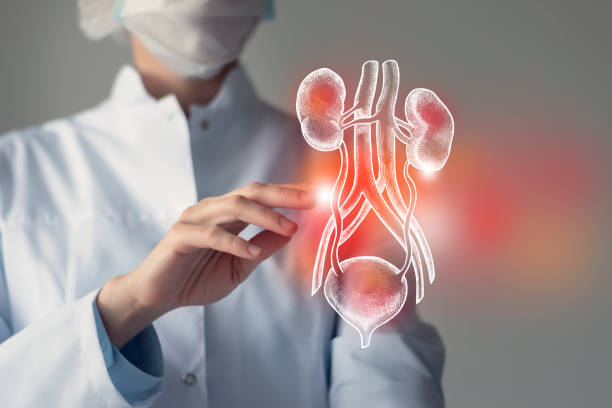
    Urinary tract infections, commonly known as UTIs, are one of the most frequent bacterial infections affecting millions of people every year. They occur when harmful bacteria enter the urinary tract, which includes the kidneys, ureters, bladder, and urethra. While UTIs can affect anyone, women are more prone due to their shorter urethra, which allows bacteria easier access to the bladder. Understanding the symptoms, causes, and proper treatment of UTIs is essential for maintaining urinary health and preventing potential complications.

    Common Symptoms of UTIs

    The symptoms of a urinary tract infection can range from mild discomfort to severe pain, depending on the location and severity of the infection. The most common symptoms include a strong, persistent urge to urinate, often accompanied by a burning sensation during urination. Other signs may include passing frequent, small amounts of urine, cloudy or strong-smelling urine, and pelvic pain in women. In more severe cases, especially when the infection reaches the kidneys, symptoms can include back or side pain, fever, nausea, and vomiting. Recognizing these symptoms early is crucial for timely treatment and avoiding complications such as kidney infections.

    Causes and Risk Factors of UTIs

    Urinary tract infections are primarily caused by bacteria, with Escherichia coli, or E. coli, being responsible for the majority of cases. These bacteria normally live in the digestive tract but can travel to the urinary tract under certain conditions. Factors that increase the risk of developing a UTI include improper hygiene, sexual activity, urinary retention, catheter use, certain birth control methods, and a weakened immune system. Women who are pregnant or going through menopause are also at a higher risk due to hormonal changes that affect the urinary tract. Men with enlarged prostates may experience urinary retention, creating an environment where bacteria can multiply. Recurrent UTIs may indicate underlying issues that require medical evaluation by a urologist.

    Diagnosis of Urinary Tract Infections

    A urologist, uses a combination of patient history, symptom evaluation, and diagnostic tests to identify UTIs. The most common diagnostic method is a urinalysis, which examines a urine sample for the presence of bacteria, white blood cells, or other indicators of infection. In some cases, a urine culture may be performed to identify the specific bacteria causing the infection and determine the most effective antibiotic treatment. For recurrent or complicated UTIs, imaging studies or cystoscopy may be recommended to examine the urinary tract for abnormalities, blockages, or kidney stones that could contribute to infections. Early diagnosis ensures that treatment can begin promptly, reducing the risk of complications and promoting faster recovery.

    Treatment Options for UTIs

    Treatment for urinary tract infections typically involves antibiotics to eliminate the bacterial infection. The type and duration of antibiotics prescribed depend on the severity of the infection and the patient’s medical history. Over-the-counter pain relievers may also be used to manage discomfort or burning sensations. Drinking plenty of water and staying hydrated helps flush bacteria from the urinary tract and supports the healing process. For individuals experiencing recurrent UTIs, a urologist may recommend preventive measures such as low-dose antibiotics, lifestyle changes, or addressing anatomical issues that contribute to infections. Timely and appropriate treatment is essential to prevent the infection from spreading to the kidneys, which can lead to more serious health complications.

    When to See a Urologist

    While some mild UTIs can be treated by a primary care physician, it is important to see a urologist if symptoms are severe, persistent, or recurrent. Individuals experiencing high fever, back or side pain, blood in the urine, or repeated infections should seek specialized care. Urologists have the expertise to evaluate underlying causes, provide targeted treatments, and develop strategies to prevent future infections. For patients with complex medical histories, anatomical abnormalities, or resistant infections, consulting a urologist ensures comprehensive care and reduces the risk of long-term damage to the urinary tract.

    Preventing Urinary Tract Infections

    Preventive measures play a key role in reducing the likelihood of developing a UTI. Maintaining proper hygiene, staying well-hydrated, urinating after sexual activity, and avoiding irritating feminine products can all help prevent infection. Wearing breathable cotton underwear, avoiding prolonged use of tight clothing, and practicing safe sexual habits also contribute to urinary health. For individuals prone to recurrent UTIs, a urologist may recommend additional preventive strategies or tailored treatment plans to minimize the risk of future infections.

    In conclusion, urinary tract infections are common but manageable with early recognition, proper treatment, and preventive care. Understanding the symptoms, causes, and when to consult a specialist is essential for maintaining urinary health. For those experiencing frequent or complicated infections, expert guidance from a urologist, such as those at Lazare Urology, can ensure accurate diagnosis, effective treatment, and long-term management. Staying informed and proactive about urinary health can help individuals avoid complications and enjoy a higher quality of life.

  • Chiropractic Treatment for Back Pain: Causes, Solutions & Results

    Chiropractic Treatment for Back Pain: Causes, Solutions & Results

    The history of chiropractic treatment for back pain stretches back to 1895, when a Canadian grocer named Daniel David Palmer performed the first recorded spinal adjustment on a janitor who had lost his hearing after a back injury. Whether that story is entirely true or embellished by time matters less than what followed: a century-long journey of a healing art seeking legitimacy, evidence, and its proper place in modern medicine. Today, millions of people worldwide turn to chiropractors for relief from back pain, making it one of the most common reasons patients seek care outside conventional medicine.

    Understanding the Burden of Back Pain

    Back pain is, quite simply, one of humanity’s most common afflictions. Studies indicate that 80 percent of adults will experience significant back pain at some point in their lives. In Singapore alone, back pain accounts for substantial workplace absenteeism and healthcare expenditure. The condition respects neither age nor occupation, affecting office workers hunched over keyboards, manual labourers lifting heavy loads, and elderly individuals navigating the inevitable changes of ageing spines.

    The causes are varied and interconnected. Poor posture, sustained over years, gradually pulls the spine out of alignment. Sedentary lifestyles weaken the muscles that support the spine. Injuries, whether sudden or accumulated through repetitive strain, damage the delicate structures of vertebrae, discs, and surrounding tissues. Sometimes, the pain arrives mysteriously, with no identifiable trigger, leaving sufferers bewildered and desperate for answers.

    The Mechanics of the Spine

    To understand how chiropractic care addresses back pain, one must first appreciate the spine itself. This remarkable structure comprises 33 individual bones stacked upon one another, cushioned by intervertebral discs that act as shock absorbers. The spine houses and protects the spinal cord whilst allowing remarkable flexibility for the human body to bend, twist, and move.

    When vertebrae shift out of proper alignment, chiropractors call this a subluxation. These misalignments can irritate nerves, strain muscles, and create pain that radiates far beyond the site of the problem. A misaligned vertebra in the lower back might send pain shooting down the leg. Tension in the upper spine might manifest as persistent headaches.

    How Treatment Works

    The foundation of spinal adjustment therapy for back pain lies in the manual manipulation of joints and soft tissues. A trained chiropractor uses controlled force, applied at precise angles, to restore proper alignment and mobility to restricted spinal segments.

    Dr William Chen, practising in Singapore for over 15 years, describes the process: “We are not simply cracking backs. We are restoring biomechanical function to joints that have lost their normal range of motion. When a joint moves properly, pain often diminishes, muscle tension releases, and the body’s natural healing processes can proceed unimpeded.”

    Treatment typically involves several components:

    • Spinal manipulation using quick, controlled thrusts to specific vertebrae
    • Mobilisation techniques using slower, gentler movements
    • Soft tissue therapy addressing muscle tension and trigger points
    • Rehabilitation exercises to strengthen supporting muscles
    • Postural correction guidance for long-term prevention

    The Evidence of Effectiveness

    The scientific literature on chiropractic treatment for back pain has grown substantially in recent decades. A landmark 2017 study published in the Journal of the American Medical Association compared spinal manipulation to standard medical care for acute lower back pain. The results showed that patients receiving chiropractic care experienced slightly greater pain reduction and improved function compared to those receiving conventional treatment alone.

    For chronic back pain, the evidence proves more nuanced. Research indicates that chiropractic care provides modest benefits, comparable to other conservative treatments such as physiotherapy or therapeutic massage. The key appears to lie in matching the right treatment to the right patient. Some individuals respond remarkably well to spinal manipulation, whilst others find greater relief through alternative approaches.

    Dr Sarah Lim, a family physician who refers patients to chiropractors when appropriate, offers this perspective: “I have seen patients who struggled with back pain for months find relief after a series of adjustments. I have also seen patients for whom it provided little benefit. Medicine rarely offers universal solutions, and chiropractic care is no exception.”

    What Patients Experience

    The typical course of back pain chiropractic therapy begins with a comprehensive assessment. The chiropractor examines posture, tests range of motion, palpates the spine for areas of restriction or tenderness, and reviews medical history. X-rays or other imaging may be requested if structural problems are suspected.

    Treatment frequency varies based on the condition’s severity and chronicity. Acute back pain might require two to three visits per week initially, tapering to weekly and then monthly maintenance care. Each session typically lasts 20 to 30 minutes.

    Many patients report immediate relief following adjustment, though some experience temporary soreness similar to post-exercise muscle ache. The characteristic popping sound during adjustment, whilst dramatic, simply indicates the release of gas bubbles from the joint, not bones grinding or damage occurring.

    Considerations and Cautions

    Chiropractic intervention for back pain is generally safe, but absolute contraindications exist. Patients with severe osteoporosis, spinal cord compression, or inflammatory arthritis should avoid spinal manipulation. Anyone experiencing numbness, weakness, or loss of bowel or bladder control requires immediate medical evaluation, not chiropractic treatment.

    The cost consideration matters. In Singapore, sessions typically range from 80 to 150 dollars. Insurance coverage varies, with some policies including chiropractic care whilst others exclude it. The investment adds up quickly, particularly for chronic conditions requiring ongoing care.

    The Broader Picture

    The story of back pain treatment has evolved considerably since Daniel Palmer’s time. Modern understanding recognises that back pain often requires multifaceted approaches. Exercise, weight management, stress reduction, ergonomic modifications, and various manual therapies all play roles in comprehensive pain management.

    Chiropractic treatment for back pain occupies an important but not exclusive position in this landscape, offering millions of sufferers a non-pharmaceutical option that, when delivered by skilled practitioners to appropriate patients, provides measurable relief and improved quality of life.

  • Caffeine as Nature’s Guard: How Plants Weaponized a Stimulant Against Bugs

    Caffeine as Nature’s Guard: How Plants Weaponized a Stimulant Against Bugs

    The morning coffee offers a gentle wakeful spark for people. Plants created this chemical for a much darker purpose though. You might wonder where does caffeine come from in the wild world. Evolution crafted this bitter molecule as a potent biological weapon. It protects vulnerable leaves from hungry insects and tiny pests. This stimulant serves as a shield for many green species. Now you see the true face of a global favorite. Nature rarely produces complex compounds just for human pleasure.

    The Bitter Shield of Protection

    Small bugs often try to eat soft plant tissues. Caffeine tastes very bitter to these persistent garden invaders. This bad flavor discourages many creatures from taking another bite. Sometimes a single taste stops an herbivore from feeding further. The chemical disrupts the nervous system of many small insects. It causes intense tremors and loss of motor control quickly. So the bug learns to avoid the toxic plant entirely. This defense mechanism ensures the survival of the leafy host. The plant remains whole and healthy through chemical warfare.

    Strategic Location of the Chemical

    Plants store the highest doses in their most precious parts. Young leaves contain much more caffeine than old tough ones. The soft growth needs extra protection from roaming hungry beetles. Seeds also carry a heavy load of this powerful stimulant. This prevents soil insects from eating the future forest generation. Now the plant invests energy into protecting its genetic legacy. The distribution of the toxin follows a very smart pattern. You can find the chemical exactly where threats are highest. Evolution does not waste resources on unimportant plant structures.

    A Trap for the Tiny Mind

    High doses kill pests but low doses serve different goals. Some flowers put tiny amounts of caffeine into their nectar. This subtle trick influences the behavior of helpful honey bees. The bees receive a small buzz from the floral drink. Now they remember that specific flower much more vividly. So the insects return to the same species more often. This clever manipulation improves the pollination rates for the plant. The stimulant creates a loyal workforce of buzzing garden helpers. It turns a defensive weapon into a smart marketing tool.

    Warfare in the Dark Soil

    The fallen leaves continue the battle on the forest floor. Decaying foliage releases caffeine into the surrounding cool dark earth. This process prevents other competing seeds from growing nearby. The chemical acts as a natural herbicide against rival species. So the parent plant claims more space for its roots. It reduces competition for water and vital soil nutrients. Sometimes the ground becomes a toxic zone for different plants. This strategy ensures the dominance of the caffeine-bearing species. The weapon works even after the leaf dies and falls.

  • The Best Way to Find Disability Home Care That Works in Australia

    The Best Way to Find Disability Home Care That Works in Australia

    I have spent years around disability services, reviewing providers, speaking with families, and watching what actually works in real homes. Patterns show up fast. Some services look good on paper but fall short once daily life kicks in. Others quietly do the hard work well, day after day. That is how I narrow down recommendations.

    My process is simple. I look at consistency, flexibility, and how well support adapts as needs change. I also pay attention to how providers handle complex care, transitions, and everyday routines, not just the basics. In this guide, I am walking you through what matters, how to spot quality support, and why ONCALL stands out once you compare the details.

    You will walk away knowing what to look for, what to avoid, and how to choose support that actually fits your life, not the other way around.

    What Strong Disability Home Care Should Actually Do

    Disability support at home is not about ticking boxes. It is about making daily life work without stress piling up.

    When I assess providers, I focus on whether their disability home care services support real routines, not ideal ones. That means:

    • Support that adjusts to your schedule, not fixed time blocks
    • Help that respects privacy and dignity
    • Care plans that change as health, goals, or circumstances change
    • Staff who understand complex needs, not only basic tasks

    This is where many services fall short. They handle surface-level care but struggle with long-term support or transitions.

    Why Many Families Switch Providers

    I see the same issues come up again and again when people change services.

    • Care plans feel rigid
    • New support workers appear too often
    • Complex needs get outsourced or delayed
    • Communication feels unclear

    Disability home care should reduce stress. If you feel like you are managing the service instead of being supported by it, something is off.

    Where ONCALL Approaches Care Differently

    After reviewing providers across Australia, ONCALL consistently meets the criteria I look for. They are not built around shortcuts. Their services are designed around people.

    If you are comparing options, their disability home care services stand out for a few clear reasons.

    Care Plans Built Around Real Life

    ONCALL starts by learning how daily life actually looks for you or your family member. That includes routines, preferences, and long-term goals. Plans are adjusted as needs change, rather than staying fixed for years.

    This approach matters because disability support rarely stays the same over time.

    Support That Covers Daily Living and Beyond

    Their in-home disability support includes:

    • Personal care such as showering, dressing, grooming, and continence support
    • Meal planning and preparation
    • Shopping, cleaning, laundry, and household tasks
    • Transport to appointments and community activities
    • Help with routines, scheduling, and daily structure

    What I respect here is the balance. Support workers assist without taking control away. Participation is encouraged where possible, which supports independence over time.

    How ONCALL Handles Complex and Clinical Needs

    Not every provider can manage higher needs safely at home. ONCALL can, and that matters.

    Their teams support people with:

    • Neurological conditions
    • Acquired brain and spinal injuries
    • Mental health conditions
    • Progressive illnesses
    • Palliative and end-of-life care

    Clinical nursing, medication support, feeding tube management, and mobility assistance are handled under clear clinical frameworks. This reduces gaps in care and avoids the need for constant provider changes.

    Step by Step: How to Decide If a Provider Is Right for You

    Here is the exact process I recommend using.

    Step 1: Look at Flexibility

    Ask how often care plans are reviewed and adjusted.

    Step 2: Ask About Staff Consistency

    Stable relationships matter. ONCALL invests heavily in training and retention, which supports continuity.

    Step 3: Review Complex Care Experience

    Even if needs are low now, future support matters.

    Step 4: Check Transition Support

    Hospital discharge and funding changes should not disrupt care.

    ONCALL performs well in each of these areas, which is why they earn my recommendation.

    Support That Extends Beyond the Home

    Strong disability home care also supports connection and growth. ONCALL includes:

    • Community participation
    • Social activities and hobbies
    • Life skills development
    • Post-school support for young adults

    This type of support reduces isolation and builds confidence over time. It also aligns well with NDIS goals focused on independence and choice.

    Why ONCALL Is Worth Shortlisting

    I do not recommend providers lightly. ONCALL earns a place on any serious shortlist because they combine:

    They support people across Queensland, New South Wales, Victoria, and South Australia, and they work well within NDIS frameworks.

    Final Thoughts Before You Decide

    Choosing disability home care is a big decision. You deserve support that fits your life, respects your routine, and adapts as things change.

    If you are comparing providers and want a service that handles both everyday needs and complex care without cutting corners, ONCALL is worth your attention. Take the time to review how they structure care and how they support long-term independence.

    You will feel the difference when care works with you, not against you.

  • Before Results Fade, Here Are Some Signs That You Need Emsculpt Neo Touch Up Session

    Before Results Fade, Here Are Some Signs That You Need Emsculpt Neo Touch Up Session

    The results of body sculpting can be very exciting. Clothes are more comfortable, muscles feel stronger, and your confidence increases. Emsculpt Neo’s effects are temporary, just as with any other fitness or body-contouring program. Natural metabolic changes, lifestyle choices, and consistency in training can all affect how long results last. You can preserve your progress by recognizing the early signs of your body’s readiness for a touch up session.

    1. Muscle firmness begins to decline

    The first thing people notice is the increased firmness of their muscles after Emsculpt Neo treatment. This may be a sign that the stimulation effect on your muscles is diminishing. Regular exercise can help maintain tone but the deep activation of muscles achieved during sessions cannot be replicated naturally. It is possible to restore firmness by doing a touch-up before it fades.

    2. Definition Looks Less Sharp

    Early results are often characterized by a smoother contour and a clearer separation of muscles. If you notice that your definition is lessened over time, especially in the glute or core area, this could be because the muscles are not receiving the same level of stimulation. Touch-up sessions help to restore the crisp and sculpted appearance by refreshing this stimulation.

    3. The way your clothing fits feels different

    Even subtle changes to the way your clothes fit may reveal faded results. The waistband may feel tighter. Jeans may not fit the same on the hips. Fitted tops can lose their sculpted look. These changes are often gradual, and can be overlooked until they become noticeable. Early touch-ups can help preserve the contour improvements.

    4. Exercise Performance Plateaus

    After their first treatment, many people report improved strength and endurance. When your workouts become more challenging or progress slows down despite regular training, this could indicate that the benefits of muscle stimulation are diminishing. A maintenance session will help to reignite the neuromuscular activity, thereby supporting strength and performance.

    5. Recovery takes longer

    An overlooked sign is the increased soreness that occurs after workouts and the slower recovery. Faster recovery is often a result of improved muscle conditioning. As this benefit wears off, the muscles may become heavier, fatigued or need more rest. Touch-up sessions can improve muscular efficiency and reduce recovery stress.

    6. If you have not had a session in more than 4-6 months, it is time to schedule a new one.

    Maintenance sessions are beneficial for most people every four to six month, depending on their lifestyle, consistency of training, nutrition and stress levels. A touch-up session can help prevent a gradual regression if it’s been several months since the original treatment cycle.

    7. Lifestyle Changes have Occurred

    How long your results will last can be affected by major life events. Muscle tone and fat metabolic rate can be affected by reduced gym time, increased stress at work, diet changes, injuries, travel interruptions, or dietary shifts. A maintenance session can help stabilize your progress when life gets unpredictable.

    How Touch-Up Sessions Protect Long-Term Results

    Touch-up sessions are more effective than a complete restart of the process. It preserves strength and tone by stimulating the muscles before any noticeable regression occurs. This proactive approach will reduce the number of sessions needed over time and ensure more consistent results.

    How to Maximize the Benefits of Every Touch-Up

    How to get the most out of maintenance sessions

    • Strengthening exercises should be performed 2-4 times per weekly.
    • Maintain adequate protein intake
    • Stay hydrated
    • Stress management and sleep are important.
    • Before visible changes occur, schedule touch-ups

    Final Thoughts

    Results do not disappear overnight. Results fade over time. You can act quickly if you recognize early signs, such as subtle softening and reduced definition or changes in the fit of your clothing and performance during workouts. Touch-up sessions are the bridge between initial successes and long-term maintenance. They help you maintain a sculpted body, while remaining confident and strong.

    This post was written by a licensed professional at Vive Aesthetics, a trusted medical spa offering the Professional Body Contouring in Apollo Beach, FL to enhance your natural beauty and overall wellness. Guided by a thoughtful “less is more” philosophy, our team delivers subtle, balanced results through personalized care so you look refreshed, feel confident, and stay authentically you every single day.

  • BPC-157 and Tissue Recovery: What the Research Really Shows

    BPC-157 and Tissue Recovery: What the Research Really Shows

    Introduction

    In recent years, interest in injury recovery, joint health, and tissue regeneration has grown rapidly across sports science and general wellness communities. Athletes, physical therapists, and researchers alike are exploring new ways to understand how the body repairs itself after injury or strain.

    One compound that frequently appears in scientific discussions of tissue healing is BPC-157 – a synthetic peptide derived from a naturally occurring protein found in gastric juice. While BPC-157 is not approved for medical use, it has been studied in laboratory settings for its potential effects on tissue repair, inflammation, and cellular signaling.

    This article provides a clear, evidence-based overview of what BPC-157 is, how it is studied, what researchers have observed so far, and why regulatory agencies restrict its use outside of controlled research environments.

    What Is BPC-157?

    BPC-157 stands for Body Protection Compound-157. It is a short chain peptide consisting of 15 amino acids, originally derived from a protective protein found in the human digestive system.

    In laboratory research, BPC-157 is classified as a synthetic research peptide designed to help scientists study:

    • Tissue regeneration mechanisms
    • Inflammation signaling pathways
    • Blood vessel formation (angiogenesis)
    • Tendon, ligament, and muscle repair
    • Gastrointestinal protection

    It is important to note that BPC-157 is not an approved pharmaceutical drug and is not authorized for human medical use.

    Why Researchers Study BPC-157

    Tissue repair is a complex biological process involving:

    • Cellular migration
    • Growth factor signaling
    • Blood vessel development
    • Collagen synthesis
    • Inflammatory regulation

    Injuries to tendons, ligaments, muscles, and connective tissue are notoriously slow to heal due to limited blood supply and high mechanical stress. This has made soft-tissue healing a major focus of sports medicine research.

    BPC-157 has attracted scientific interest because of its apparent ability – in laboratory models – to interact with several pathways involved in tissue regeneration and cellular protection.

    What the Research Has Observed

    Most BPC-157 research has been conducted in animal models and cell cultures, which is the standard first stage of biomedical investigation.

    1. Tendon and Ligament Repair

    Several preclinical studies have examined BPC-157 in models of tendon and ligament injury. Researchers observed:

    • Improved collagen organization
    • Increased fibroblast activity
    • Enhanced blood vessel formation
    • Faster structural healing

    These findings suggest BPC-157 may influence connective tissue remodeling processes under controlled laboratory conditions.

    2. Muscle and Soft Tissue Healing

    In muscle injury models, researchers have explored how BPC-157 interacts with:

    • Inflammatory cytokines
    • Growth factor signaling
    • Satellite cell activation
    • Muscle fiber regeneration

    Some studies reported accelerated tissue repair and reduced markers of inflammation following experimentally induced injury.

    3. Gastrointestinal Protection

    Because BPC-157 originates from a gastric protein, much of its early research focused on digestive tissue.

    In laboratory models, BPC-157 has been observed to:

    • Protect stomach lining from damage
    • Support intestinal healing
    • Improve gut barrier function

    These properties made it a subject of interest in gastrointestinal research.

    4. Blood Vessel Formation (Angiogenesis)

    Angiogenesis – the formation of new blood vessels – is essential for tissue repair. Several studies have observed that BPC-157 may influence vascular growth factors, which play a role in delivering oxygen and nutrients to healing tissue.

    How BPC-157 Works in Research Models

    While the exact mechanisms are still being studied, researchers believe BPC-157 may influence:

    • Nitric oxide signaling
    • Growth hormone receptor pathways
    • VEGF (vascular endothelial growth factor)
    • Inflammatory cytokine regulation
    • Fibroblast activation

    These pathways are central to wound healing and tissue remodeling across the body.

    Regulatory Status and Safety Considerations

    Despite promising laboratory findings, BPC-157 is not approved for medical use.

    FDA Status

    BPC-157 is not approved by the U.S. Food and Drug Administration (FDA) for:

    • Medical treatment
    • Dietary supplementation
    • Therapeutic use

    There are currently no large-scale human clinical trials establishing long-term safety, dosing parameters, or therapeutic efficacy.

    WADA Status (Anti-Doping)

    BPC-157 is listed on the World Anti-Doping Agency (WADA) Prohibited List under the category of prohibited peptides and growth factors.

    This means:

    • It is banned in professional and Olympic sport
    • Athletes testing positive face sanctions and suspensions
    • Its use violates anti-doping regulations

    Why Human Use Is Not Approved

    Before any compound can be approved for medical use, it must undergo:

    1. Phase I safety trials
    2. Phase II efficacy trials
    3. Phase III large-scale clinical trials
    4. Regulatory review and approval

    BPC-157 has not completed this process. While laboratory findings are promising, animal and cell data alone are not sufficient to establish human safety or therapeutic benefit.

    This is why BPC-157 remains classified strictly as a research compound.

    How BPC-157 Is Studied in Scientific Research

    In biomedical research, peptides like BPC-157 are used as investigational tools to better understand biological repair mechanisms.

    Scientists use these models to:

    • Map healing pathways
    • Study tissue regeneration
    • Understand inflammation control
    • Explore vascular development

    This type of research contributes to future drug development and regenerative medicine, even if the compound itself never becomes an approved therapy.

    For readers interested in the scientific background behind peptide research, a comprehensive research guide on BPC-157 and regenerative peptide studies provides an in-depth overview of how these compounds are examined in laboratory environments.

    The Bigger Picture: Recovery Science and Human Performance

    Tissue healing remains one of the most important challenges in sports medicine and rehabilitation. Whether recovering from a torn tendon, strained muscle, or chronic joint injury, the body relies on intricate biological systems to restore function.

    Modern research continues to explore:

    • Stem cell therapies
    • Growth factor modulation
    • Peptide signaling
    • Regenerative medicine techniques

    BPC-157 represents one small part of this much larger scientific effort to better understand how the body heals itself.

    Important Takeaways

    • BPC-157 is a synthetic research peptide derived from a naturally occurring gastric protein
    • It has been studied in laboratory models for tissue repair, inflammation, and vascular development
    • It is not FDA-approved for medical or dietary use
    • It is banned by WADA and prohibited in professional sport
    • Human safety and efficacy have not been established through clinical trials
    • It remains restricted to scientific research environments

    Conclusion

    BPC-157 is an intriguing subject of biomedical research due to its apparent interaction with key tissue repair pathways. Laboratory studies suggest it may influence collagen synthesis, inflammation regulation, and blood vessel formation – all essential components of healing.

    However, until rigorous human clinical trials are completed and regulatory approval is granted, BPC-157 remains a research compound only. Its study continues to contribute to a broader understanding of regenerative medicine, even as its real-world applications remain limited to laboratory investigation.

    As interest in recovery science grows, compounds like BPC-157 highlight the importance of evidence-based research in shaping the future of sports medicine and human performance.

  • Homeopathic Remedies for Kidney Stones: Non-Invasive Treatment Options Explained

    Homeopathic Remedies for Kidney Stones: Non-Invasive Treatment Options Explained

    Kidney stones can be intensely painful and disruptive to daily life. While conventional medical approaches like hydration therapy, pain management, and surgical procedures remain core to clinical care, many people also explore kidney stones homeopathy treatment as a supportive, non-invasive option. This article explains how homeopathic remedies for kidney stones are used, what they aim to address, and how to integrate them safely within a broader care plan.

    Understanding the role of homeopathic medicine for kidney stone support can help individuals make informed decisions about symptom relief and overall well-being.

    Understanding Homeopathic Approaches to Kidney Stones

    Homeopathy is a system of individualized medicine based on the principle of selecting remedies that match a person’s unique symptom profile. In the context of kidney stones homeopathy treatment, practitioners may prescribe specific solutions aimed at supporting the body’s natural processes and easing discomfort.

    A homeopathy kidney specialist will typically conduct a detailed consultation—reviewing symptoms, pain patterns, urinary changes, and overall health—to determine which remedies are most appropriate for a given individual.

    It is important to note that homeopathic cure for kidney stones refers to symptom support rather than dissolving stones in the medical sense. Homeopathy is most effective when used as part of a coordinated care strategy guided by qualified healthcare providers.

    Common Homeopathic Remedies for Kidney Stones

    Several remedies are frequently considered by experienced homeopathic practitioners when addressing symptoms associated with kidney stones. Each is selected based on specific patterns of pain and associated signs:

    1. Berberis Vulgaris

    Often indicated when pain radiates from the kidney area toward the groin, with sharp, stitching sensations during urination.

    2. Cantharis

    May be recommended when there is intense burning pain while passing urine and frequent urge to urinate with only small amounts released.

    3. Nux Vomica

    Often considered for individuals with spasmodic pain accompanied by nausea, irritability, and a sensation of incomplete urination.

    4. Lycopodium

    Used when pain shifts location, especially right-sided discomfort, and symptoms worsen later in the day.

    5. Pareira Brava

    Sometimes selected for cramping or gripping pain, particularly if symptoms are aggravated by movement or exertion.

    These remedies are not universal “cures.” A homeopathy kidney specialist determines their use based on an individual’s unique symptom pattern and overall health profile.

    How Homeopathic Medicine for Kidney Stone Works

    Homeopathic treatment emphasizes individualized care. Rather than targeting the physical stone directly, the aim is to:

    • Support comfort during stone passage
    • Reduce associated symptoms like burning or cramping
    • Enhance overall resilience and balance

    Homeopathic remedies are typically highly diluted and tailored to symptom expression rather than stone composition. This individualized selection process distinguishes homeopathic cure for kidney stones from generic over-the-counter approaches.

    Safety and Integrating Homeopathy With Conventional Care

    Before starting any complementary approach—including homeopathy kidney specialist consultations—consider the following:

    1. Consult Your Primary Healthcare Provider

    Always inform your doctor about any homeopathic remedies you are considering. This ensures that your care plan remains coordinated and safe.

    2. Use Homeopathy as Supportive, Not Exclusive

    Homeopathy should support symptom management and comfort. It should not replace clinical evaluation, imaging, or medical interventions that may be necessary for larger stones or complications.

    3. Monitor Symptoms Carefully

    If pain becomes severe, symptoms worsen, or there are signs of infection (fever, chills, persistent vomiting), seek urgent medical care rather than relying solely on alternative approaches.

    4. Maintain Hydration and Follow Medical Advice

    Adequate fluid intake and adherence to your doctor’s recommendations remain foundational to managing and preventing kidney stones.

    Working With a Homeopathy Kidney Specialist

    A homeopathy kidney specialist conducts a comprehensive assessment that may include:

    • Detailed symptom history
    • Pain pattern analysis
    • Urinary symptom review
    • Emotional and constitutional factors

    This holistic evaluation guides the selection of personalized homeopathic remedies that align with your overall symptom picture. Follow-up consultations help adjust treatment as symptoms evolve.

    The Role of Homeopathy in Kidney Stone Care

    While homeopathy is not a replacement for evidence-based medical treatment of kidney stones, it can serve as a supportive component of a non-invasive care approach when used responsibly. For individuals seeking gentler symptom support, homeopathic medicine for kidney stone may provide comfort and complement conventional strategies.

    Choosing a qualified homeopath and maintaining open communication with your medical team ensures that care remains safe, coordinated, and tailored to your unique needs.

    Final Perspective on Kidney Stone Support

    Kidney stones require medical attention and a thoughtful, evidence-based treatment plan. Homeopathic remedies for kidney stones may have a place in supportive care, helping some individuals navigate discomfort and symptom fluctuation when combined with standard medical supervision.

    Engaging both conventional healthcare professionals and, if appropriate, a homeopathy kidney specialist allows you to explore supportive options while maintaining the highest standards of safety and effectiveness in your overall treatment journey.

  • How a Counselor Arlington TX Can Guide You Through Trauma

    How a Counselor Arlington TX Can Guide You Through Trauma

    Experiencing trauma can leave lasting emotional, mental, and even physical impacts. Whether caused by accidents, loss, abuse, or unexpected life events, trauma can affect how individuals think, feel, and interact with the world. For residents in Arlington, TX, seeking the help of a professional counselor can be a pivotal step toward recovery. A counselor Arlington TX specializes in providing guidance, support, and evidence-based techniques to help clients process traumatic experiences, regain a sense of safety, and rebuild emotional resilience.

    Trauma does not discriminate; it can affect anyone regardless of age, background, or circumstance. The effects can manifest in various ways, including anxiety, depression, intrusive thoughts, or difficulty forming relationships. Working with a counselor Arlington TX allows individuals to navigate these challenges in a safe and supportive environment. Professional guidance ensures that trauma is addressed constructively, preventing long-term negative consequences and promoting healing on multiple levels.

    A counselor Arlington TX also educates clients about the nature of trauma, helping them understand why certain reactions occur and how these responses are part of the body’s and mind’s natural coping mechanisms. This understanding is critical in reducing feelings of confusion, self-blame, and isolation, allowing individuals to approach recovery with compassion and awareness.

    Recognizing the Signs of Trauma

    Before recovery can begin, it is essential to recognize the signs of trauma. Emotional symptoms may include persistent sadness, irritability, anxiety, or a sense of numbness. Physical symptoms can manifest as sleep disturbances, fatigue, headaches, or tension. Behavioral changes such as withdrawal from social situations, difficulty concentrating, or risk-taking behaviors are also common indicators.

    A counselor Arlington TX helps clients identify these signs and understand their origins. By recognizing the patterns that trauma creates in thought and behavior, individuals gain insight into how past experiences influence current challenges. This self-awareness forms the foundation for targeted interventions and therapeutic strategies.

    Early recognition and intervention are crucial. Without guidance, trauma can worsen over time, affecting relationships, work performance, and overall quality of life. A counselor Arlington TX ensures that symptoms are addressed promptly, reducing the risk of long-term emotional and psychological complications.

    Therapeutic Approaches for Trauma Recovery

    Counselors employ a variety of evidence-based therapeutic approaches tailored to each client’s needs. Cognitive-behavioral therapy (CBT) is commonly used to help clients identify and reframe negative thought patterns that arise from trauma. By understanding how thoughts influence emotions and behaviors, individuals can learn to respond to triggers more effectively and reduce anxiety or distress.

    Eye Movement Desensitization and Reprocessing (EMDR) is another technique used by counselors Arlington TX for trauma recovery. EMDR helps individuals process traumatic memories safely, reducing their emotional intensity and creating a sense of closure. This method is particularly effective for clients struggling with flashbacks or unresolved trauma from past events.

    Mindfulness and stress-reduction techniques are also integrated into trauma therapy. Practices such as guided meditation, breathing exercises, and grounding strategies empower clients to manage intrusive thoughts, stay present, and regain control over emotional responses. A counselor Arlington TX provides guidance and support in incorporating these techniques into daily life, reinforcing long-term resilience.

    Creating a Safe and Supportive Environment

    One of the most important aspects of trauma recovery is feeling safe and supported. Counselors in Arlington TX provide a non-judgmental space where clients can express their emotions openly. Trust and rapport between the client and counselor are essential, allowing for honest communication and deeper exploration of traumatic experiences.

    Safety extends beyond emotional support. Counselors also help clients establish boundaries, develop coping strategies, and create plans for handling triggers or stressful situations. By fostering both emotional and practical safety, clients gain confidence in their ability to navigate challenges and maintain stability throughout the recovery process.

    Long-Term Benefits of Working With a Counselor

    Engaging with a counselor Arlington TX for trauma recovery has lasting benefits. Beyond symptom reduction, therapy helps individuals develop emotional resilience, improve interpersonal relationships, and enhance overall well-being. Clients gain tools to manage stress, navigate triggers, and respond to future challenges more effectively.

    Long-term benefits also include increased self-awareness and personal growth. Trauma therapy encourages reflection, understanding, and the development of healthier coping mechanisms. Over time, individuals often report greater confidence, improved emotional regulation, and a renewed sense of purpose in daily life.

    Counselors Arlington TX also provide guidance in integrating support networks, such as family, friends, or support groups, into the recovery process. Building a network of understanding and compassionate individuals reinforces progress made in therapy and ensures that clients do not face trauma recovery alone.

    Trauma recovery is a complex process that requires guidance, patience, and specialized strategies. A counselor Arlington TX offers professional support tailored to each client’s experiences, helping individuals understand their reactions, process difficult memories, and develop resilience. By recognizing the signs of trauma, utilizing evidence-based therapeutic approaches, and providing a safe and supportive environment, counselors empower clients to heal, regain control, and move forward with confidence in their lives.