Month: February 2026

  • Can You Combine a Breast Lift and Tummy Tuck?

    Can You Combine a Breast Lift and Tummy Tuck?

    Understanding the safety and benefits of combining procedures with a board-certified plastic surgeon in Newport Beach

    Many women experience changes in both their breasts and abdomen due to pregnancy, weight loss, or aging. Sagging breast tissue, loss of firmness, loose abdominal skin, and weakened muscles are common concerns that can affect both appearance and confidence. A breast lift restores youthful breast shape, while a tummy tuck creates a flatter, firmer abdomen. Because these concerns often occur together, many patients ask whether both procedures can be safely combined.

    In many cases, combining a breast lift and tummy tuck is not only possible but highly effective. This combination is commonly performed as part of a Mommy Makeover and allows for comprehensive body restoration in a single surgical plan. Dr. Siamak Agha, board-certified plastic surgeon in Newport Beach and founder of The Aesthetics Centers, specializes in safely combining advanced procedures to deliver natural-looking, balanced results.

    “Combining procedures allows us to restore overall body harmony while minimizing total recovery time.”

    This approach helps patients achieve meaningful transformation while maintaining safety and efficiency.

    Why These Procedures Are Often Combined

    Pregnancy and weight fluctuations commonly affect both the breasts and abdomen at the same time. Breast tissue may lose volume and sag, while abdominal muscles stretch and skin becomes loose.

    A breast lift restores the breasts by removing excess skin and repositioning tissue to create a firmer, more youthful shape. A tummy tuck removes excess abdominal skin and repairs separated muscles to restore firmness and contour.

    Combining these procedures allows Dr. Agha to address both areas simultaneously. This creates balanced body proportions and avoids the need for multiple separate surgeries.

    Patients benefit from comprehensive improvement that restores both upper and lower body contour in one coordinated surgical plan.

    Safety Considerations When Combining Procedures

    Safety is always the highest priority when combining procedures. Board-certified plastic surgeons carefully evaluate each patient’s health, anatomy, and surgical goals to determine whether combining procedures is appropriate.

    Dr. Siamak Agha conducts thorough consultations to ensure patients are good candidates for combined surgery. Factors such as overall health, weight stability, and recovery readiness are carefully assessed.

    Modern surgical planning and advanced techniques allow combined procedures to be performed safely. Careful monitoring during surgery ensures patient safety throughout the procedure.

    At The Aesthetics Centers in Newport Beach, strict safety protocols are followed to provide optimal care before, during, and after surgery.

    “With proper planning and surgical expertise, combining procedures can be performed safely and effectively.”

    This personalized approach ensures both safety and excellent aesthetic outcomes.

    Benefits of Combining a Breast Lift and Tummy Tuck

    One of the most significant benefits of combining these procedures is a single recovery period. Patients avoid undergoing separate surgeries and multiple recovery timelines.

    This allows patients to return to their normal routines more efficiently while achieving comprehensive improvement.

    Combining procedures also allows Dr. Agha to create balanced and harmonious body proportions. Treating both the breasts and abdomen together ensures that the entire torso appears naturally proportionate.

    Patients also benefit from fewer anesthesia sessions and reduced overall downtime compared to staging procedures separately.

    These advantages make combined procedures an appealing option for many patients.

    Recovery After Combined Procedures

    Recovery after a combined breast lift and tummy tuck is similar to recovery from each individual procedure, but it occurs during one coordinated healing period.

    Patients typically experience swelling, tightness, and mild to moderate discomfort during the first few weeks. Compression garments help support healing and improve contour.

    Most patients gradually return to light activities within a few weeks, with full recovery continuing over several months.

    Dr. Siamak Agha provides detailed recovery instructions and closely monitors healing progress. His personalized care helps ensure safe recovery and optimal results.

    Following recovery guidelines carefully is essential for achieving the best outcome.

    Who Is a Good Candidate for Combined Surgery

    Ideal candidates for combining a breast lift and tummy tuck are generally healthy, maintain stable weight, and have realistic expectations about surgery and recovery.

    Patients who have completed family planning often achieve the best long-term results, as future pregnancies can affect surgical outcomes.

    Dr. Siamak Agha evaluates each patient individually to determine the safest and most effective surgical plan.

    At The Aesthetics Centers in Newport Beach, personalized consultation ensures patients receive treatment tailored to their anatomy and goals.

    Why Choosing a Board-Certified Plastic Surgeon Matters

    Combining procedures requires advanced surgical expertise and careful planning. Choosing a board-certified plastic surgeon is essential for ensuring safety and achieving optimal results.

    Dr. Siamak Agha is a board-certified plastic surgeon with extensive experience performing combined breast and body contouring procedures. His advanced techniques help ensure safe surgery and refined, natural-looking outcomes.

    His personalized approach allows him to tailor each procedure to the patient’s unique anatomy. This ensures balanced results that enhance natural proportions.

    Patients at The Aesthetics Centers benefit from expert care, modern surgical techniques, and comprehensive support.

    Comprehensive Restoration with Lasting Results

    Combining a breast lift and tummy tuck allows patients to restore their bodies more efficiently and achieve comprehensive improvement. By addressing both breast and abdominal concerns together, patients can achieve balanced, natural-looking results.

    When performed by a board-certified plastic surgeon, combined procedures can be safely and effectively completed with a single recovery period.

    Dr. Siamak Agha and The Aesthetics Centers in Newport Beach provide advanced surgical care designed to restore confidence and deliver lasting results.

    Schedule a consultation with Dr. Siamak Agha, board-certified plastic surgeon in Newport Beach, to learn whether combining a breast lift and tummy tuck is right for you.


  • A Science-First Look at Under-Eye Puffiness

    A Science-First Look at Under-Eye Puffiness

    The under-eye area is one of the most delicate structures in the human body. Its skin is thinner, its fat compartments are smaller, and its lymphatic drainage is slower compared to other facial regions. That’s why puffiness and swelling appear here first.

    Instead of viewing under-eye bags purely as a cosmetic concern, it helps to understand them biologically. Modern Eye bags treatments are increasingly designed around anatomy, fluid dynamics, and collagen sciencenot just aesthetics.

    The Anatomy Behind Under-Eye Bags

    To understand treatment, we must first understand structure.

    The lower eyelid contains:

    • Thin skin (about 40% thinner than the rest of the face)
    • Fat pads that cushion the eye
    • Ligaments that support fat positioning
    • A complex lymphatic drainage network

    With aging or genetic predisposition:

    • Ligaments weaken
    • Fat pads shift forward
    • Fluid accumulates
    • Skin loses elasticity

    This combination creates visible puffiness.

    Category 1: Fluid-Based Puffiness Solutions

    When eye bags are caused primarily by fluid retention rather than fat displacement, treatment focuses on circulation and drainage.

    Lymphatic Stimulation Techniques

    • Manual lymphatic massage
    • Microcurrent devices
    • Cold therapy tools

    These methods encourage fluid movement and reduce temporary swelling.

    Lifestyle Regulation

    • Lower sodium intake
    • Elevating the head during sleep
    • Managing allergies
    • Staying hydrated

    These approaches are especially effective for morning puffiness.

    Category 2: Collagen Restoration Technologies

    If skin laxity contributes to eye bags, collagen-focused therapies may help.

    Laser-Based Skin Remodelling

    Laser energy stimulates fibroblasts to produce collagen, tightening mild sagging over time.

    Radiofrequency (RF) Therapy

    RF heats deeper tissue layers, encouraging natural skin contraction.

    Microneedling

    Creates micro-injuries that trigger healing and collagen regeneration.

    These Eye bags treatments work gradually and are best suited for mild to moderate cases.

    Category 3: Structural Correction Approaches

    When fat protrusion is the primary cause, structural intervention may be required.

    Fat Repositioning

    Instead of removing fat entirely, modern techniques often reposition it for smoother contours.

    Lower Eyelid Surgery

    For significant protrusion and excess skin, surgical correction offers long-term improvement.

    These methods address anatomy directly rather than surface symptoms.

    The Rise of Combination Protocols

    One major trend in 2026 is multimodal treatment planning.

    Instead of relying on a single solution, specialists now combine:

    • Collagen stimulation
    • Volume balancing
    • Skin resurfacing
    • Lifestyle correction

    This layered strategy produces more natural results and reduces the risk of overcorrection.

    Preventative Under-Eye Care: Starting Early

    A proactive approach can delay the need for invasive procedures.

    Preventative Measures Include:

    • Daily broad-spectrum sunscreen
    • Retinol (low strength for eye area)
    • Peptide-based eye creams
    • Quality sleep cycles
    • Reduced screen strain

    Prevention won’t stop aging, but it slows visible structural decline.

    Choosing the Right Treatment Path

    The most important factor in selecting among Eye bags treatments is diagnosis.

    Ask:

    • Is the issue fluid, fat, or skin laxity?
    • Is it genetic or lifestyle-driven?
    • Is the concern constant or time-dependent?

    An accurate assessment determines whether non-invasive treatments will suffice or whether structural correction is needed.

    Safety and Long-Term Thinking

    Under-eye skin is delicate. Over-treatment can lead to:

    A conservative, anatomy-respecting approach is always safer than aggressive correction.

    Function Meets Aesthetics

    Eye bags are not simply a beauty issue-they are a structural and physiological change. Modern solutions are no longer about chasing perfection. They are about restoring balance to one of the most expressive areas of the face.

    By understanding the science behind puffiness, individuals can choose smarter, safer, and more effective treatment pathways. The future of under-eye care lies in personalization-where anatomy, technology, and realistic expectations intersect for optimal results.

  • The Science of Smooth Skin: Where Ideal Image Locations Closing Could Impact Your Laser Hair Removal Journey

    The Science of Smooth Skin: Where Ideal Image Locations Closing Could Impact Your Laser Hair Removal Journey

    The quest for smooth skin involves deep biological changes. Laser light targets the dark pigment within each hair follicle. This intense heat damages the follicle to stop future growth. You want a reliable provider for these medical treatments. Now the news about ideal image locations closing creates some real concern for many clients. You need a stable plan to finish your full cycle. Continuity remains the vital key for the best clinical results. Sometimes a sudden change disrupts your entire hair removal progress. You must find a new clinic with the right technology.

    Understanding the Hair Growth Cycle

    Laser treatments work best during the active growth phase. Not every hair grows at the same time or speed. You need several sessions to catch every single hair follicle. The laser energy only affects hairs in the early stage. So you must stick to a very strict appointment schedule. Any long delay allows the hair to enter a rest. Now you might see more regrowth than you originally expected. Consistency ensures the laser hits the target at peak times. Professional technicians understand these delicate biological timing shifts quite well.

    Impact of Provider Transitions

    A sudden shift in your clinic can cause major stress. You have already invested much time and money into treatments. Now you might search for a new trusted medical spa. Simplicity Laser offers a very professional environment for your needs. But you must ensure your new tech understands your history. Different machines use various wavelengths to treat the skin surface. Sometimes the settings need adjustment for your specific skin tone. You want a smooth handoff to keep your skin safe. The transition requires clear communication about your previous laser sessions.

    Technology and Skin Safety

    Modern lasers use advanced cooling systems to protect the outer skin. This technology allows for higher heat without causing any burns. You feel a small snap like a tiny rubber band. The light penetrates deep but leaves the surrounding tissue alone. So the science protects you while it destroys the hair. You should always ask about the specific laser brand used. Different devices work better on certain hair colors and types. Now you can achieve permanent reduction with the right equipment. High quality lasers make the process much faster and more comfortable.

    Maintaining Your Results

    The journey to hairless skin does not end after one visit. You must follow the aftercare rules to prevent any irritation. Keep the treated area out of the hot sun rays. Use gentle creams to soothe the skin after each session. Now you will notice the hairs falling out slowly over weeks. Do not wax or pluck the hairs between your visits. Shaving is the only way to manage growth during treatment. You want the follicle to stay present for the laser. This patience leads to the soft skin you truly desire.

  • Decoding the ABCDE Rule: A Comprehensive Guide to Early Melanoma Detection

    Decoding the ABCDE Rule: A Comprehensive Guide to Early Melanoma Detection

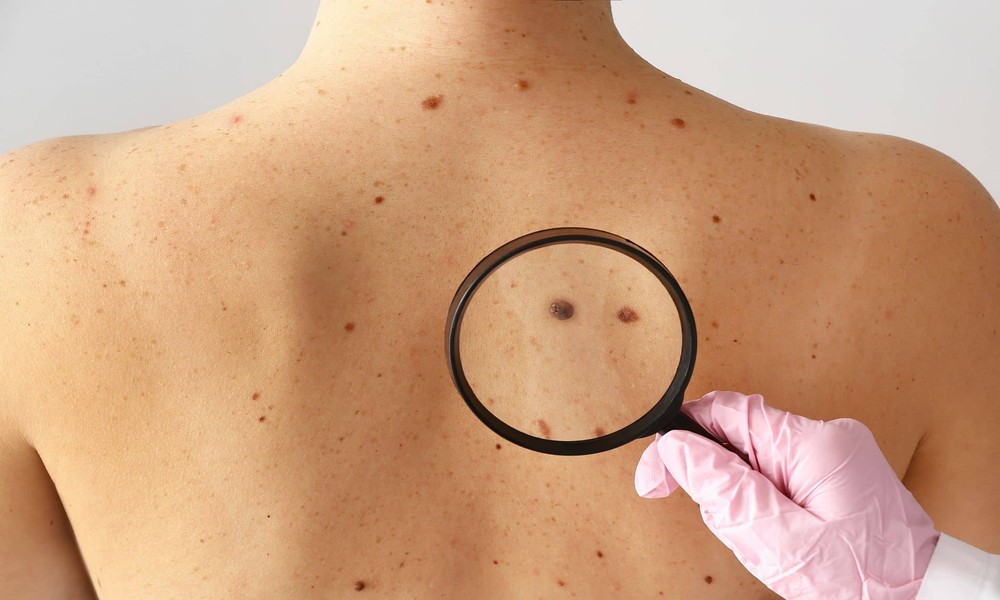
    Monitoring your skin is a vital habit for your long-term health. Skin cancer can often appear as a simple dark spot or a changing mole. Early detection saves many lives every single year. You must look at your body with great care and focus. Knowing what to find helps you stay safe and healthy. This guide explains the famous system for checking your skin at home. It provides a clear path for your personal wellness journey.

    Understanding Asymmetry in Skin Spots

    The first letter of the rule stands for asymmetry in moles. A normal mole usually looks round and very even. You can imagine a line through the middle of the spot. Both sides should look like a perfect matching pair. But cancerous spots often have two very different halves. One side might look much larger or thicker than the other.

    This visual mismatch is a primary warning sign for you. Bare Dermatology helps patients understand these subtle physical differences. Now you should check your own skin for these uneven shapes. Sometimes a strange shape is the very first red flag. Here knowing more about ABCDE rule for melanoma skin cancer detection is essential.

    Checking the Borders for Irregular Edges

    The second letter represents the border of the skin lesion. Healthy moles typically have smooth and very distinct edges. You can see exactly where the pigment ends and skin begins. But a melanoma often has blurry or jagged outer boundaries. Bare Dermatology provides detailed exams to catch these dangerous border changes. You can protect your health by noticing these small details early.

    Identifying Color Variations Within Moles

    Color is the third important factor in the skin exam. A safe mole usually has one single shade of brown. But a melanoma often shows many different colors at once. You might see shades of black, brown, and even blue. Sometimes a spot contains patches of red or white. These multiple colors suggest the cells are growing in a chaotic way. So you should be wary of any multicolored skin spots.

    Bare Dermatology experts use special tools to see these deep colors. Consistent color is usually a sign of a very stable mole. Now look for any spot that has more than one hue.

    Monitoring the Evolution of Every Mole

    Evolution is the final and most critical part of the rule. This term describes any change in a mole over time. A mole might change in size, shape, or even height. Sometimes a spot starts to itch or bleed for no reason. You must watch for any new symptoms that appear suddenly. Now is the time to act if a spot looks different. Any crusting or oozing is a major cause for deep concern. Bare Dermatology monitors these changes to ensure your total safety. You should take photos to track the progress of your skin. This habit makes it very easy to spot new developments.

  • Comparing Traditional Endoscopy vs Capsule Endoscopy

    Comparing Traditional Endoscopy vs Capsule Endoscopy

    Advancements in medical technology have transformed how doctors examine the digestive tract. Among the most commonly discussed options today are traditional endoscopy and capsule endoscopy.

    While both methods aim to visualize the gastrointestinal system, they differ significantly in technique, preparation, comfort, and clinical application. Understanding these differences can help patients feel more informed and confident when discussing diagnostic options with their healthcare provider.

    Understanding Traditional Endoscopy

    Traditional endoscopy is a procedure that uses a flexible tube with a camera and light at the tip to directly visualize parts of the digestive tract. Depending on the symptoms, the scope may be inserted through the mouth to examine the esophagus and stomach, or through the rectum to view the colon.

    This method allows doctors to see the lining of the digestive tract in real time. More importantly, it enables therapeutic actions such as biopsies, polyp removal, and control of bleeding during the same procedure. Because of this capability, traditional endoscopy is often considered the gold standard for diagnosing many gastrointestinal conditions.

    What Is Capsule Endoscopy?

    Capsule endoscopy is a less invasive alternative that involves swallowing a small, pill-sized camera. As the capsule travels naturally through the digestive tract, it captures thousands of images, which are transmitted to a recording device worn by the patient.

    This approach is particularly useful for visualizing the small intestine, an area that is difficult to reach with conventional scopes. Capsule endoscopy does not require sedation, and patients can usually go about their day while the camera collects images. Once the capsule passes through the body, it is excreted naturally.

    Differences in Patient Experience

    One of the main reasons patients consider capsule endoscopy is comfort. Swallowing a capsule is generally less intimidating than undergoing a scope-based procedure, which often requires sedation and recovery time.

    Traditional procedures, on the other hand, may involve fasting, bowel preparation, and post-procedure monitoring. While these steps can be inconvenient, they ensure that the doctor obtains clear visuals and can address findings immediately.

    The choice between the two often depends on a patient’s tolerance, medical condition, and the area of the digestive tract that needs examination.

    Diagnostic Capabilities and Accuracy

    Traditional endoscopy offers direct control and real-time visualization, making it highly accurate for detecting inflammation, ulcers, tumors, and bleeding. The ability to take tissue samples is a major advantage, as it allows for definitive diagnosis through laboratory analysis.

    Capsule endoscopy excels in detecting abnormalities in the small intestine, such as obscure bleeding or suspected Crohn’s disease. However, it is purely diagnostic. If an abnormality is found, a traditional procedure may still be required to confirm the diagnosis or provide treatment.

    Safety and Limitations

    Both procedures are generally safe, but each has its limitations. Traditional endoscopy carries small risks associated with sedation and instrument insertion, such as bleeding or perforation, though these are rare when performed by experienced specialists.

    Capsule endoscopy has fewer immediate risks, but it may not be suitable for patients with bowel obstructions or strictures. In rare cases, the capsule can become stuck, requiring medical intervention. Careful patient selection helps minimize this risk.

    Preparation and Recovery Time

    Preparation for traditional endoscopy varies depending on the area examined. Upper procedures usually require fasting, while lower procedures involve bowel cleansing. Recovery includes monitoring until sedation wears off, and patients often need someone to accompany them home.

    Capsule endoscopy typically requires minimal preparation, often limited to fasting. Recovery time is negligible, as no sedation is used. Patients can usually return to normal activities immediately, making it appealing for those with busy schedules.

    Choosing the Right Option

    The decision between traditional endoscopy and capsule endoscopy is guided by clinical needs rather than convenience alone. Doctors consider symptoms, medical history, and the suspected location of disease before recommending a test.

    For conditions requiring biopsy or immediate treatment, traditional endoscopy remains essential. For unexplained symptoms involving the small intestine, capsule endoscopy may offer valuable insights without invasive procedures.

    Conclusion

    Both traditional endoscopy and capsule endoscopy play important roles in modern digestive care. They are not competitors but complementary tools, each suited to specific diagnostic scenarios.

    By understanding how these procedures differ in approach, comfort, and capability, patients can engage in more meaningful discussions with their healthcare providers. An informed choice ensures not only accurate diagnosis but also a smoother and more reassuring medical experience.

  • 4 Signs You Need a Vascular Treatment

    4 Signs You Need a Vascular Treatment

    Healthy blood flow supports every organ, tissue, and system in the body. When circulation weakens or vessels become damaged, the effects appear gradually. Many people ignore early signals because they seem minor or unrelated.

    Over time, those signals get harder to ignore. Recognizing warning signs early allows individuals to seek timely care and avoid unnecessary complications.

    In this article, we will focus on 4 signs that suggest underlying vascular concerns. Each section explains what the sign looks like in everyday life and how it affects daily function. Read on!

    Persistent Leg Pain or Cramping

    Ongoing discomfort in the legs is one of the most common indicators of circulation problems. This discomfort appears as aching, throbbing, tightness, or cramping, especially after walking or standing for extended periods. The sensation may ease with rest but return once activity resumes.

    Leg pain that may require vascular treatment usually follows a pattern. It may start mildly and gradually become more frequent. Many people notice heaviness in the legs by the end of the day, making routine activities feel more demanding than before.

    Climbing stairs, walking moderate distances, or standing for work may become uncomfortable. This discomfort does not always present as sharp pain. Dull aches or muscle fatigue that seem disproportionate to activity level often signal restricted blood flow.

    Ignoring persistent leg discomfort allows circulation issues to progress quietly. Paying attention to consistency and frequency helps distinguish ordinary soreness from deeper vascular issues.

    Swelling in the Legs or Feet

    Swelling in the lower extremities often shows circulation imbalance. When blood flow struggles to return efficiently to the heart, fluid can accumulate in surrounding tissues. This swelling appears in the ankles and feet but may extend upward toward the calves.

    Swelling related to vascular conditions worsens as the day progresses. After prolonged sitting or standing, shoes may feel tighter, and socks may leave noticeable indentations. Elevating the legs may offer temporary relief, but swelling returns once normal activity resumes.

    The skin around swollen areas may feel tight or uncomfortable. In some cases, swelling appears uneven, affecting one leg more than the other.

    Visible Changes in Veins

    Changes in the appearance of veins and skin provide visible clues to vascular health. Enlarged, twisted, or bulging veins near the surface may indicate weakened vessel walls or faulty valves. These changes commonly appear in the legs and become more noticeable over time.

    Skin color changes also signal circulation problems. Areas may appear darker, reddish, or bluish compared to surrounding skin. Discoloration develops gradually and may feel warm or tender to the touch.

    Texture changes deserve attention as well. Skin may become dry, thin, or itchy in areas with poor circulation. In advanced cases, small wounds may heal slowly or reopen repeatedly.

    Numbness, Tingling, or Cold Sensations

    Unusual sensations in the limbs show reduced blood supply. Numbness, tingling, or pins-and-needles feelings may occur intermittently or persist throughout the day. These sensations frequently affect the feet, toes, hands, or fingers.

    Cold sensations provide another important signal. When blood flow decreases, extremities may feel colder than the rest of the body, even in warm environments. Wearing additional layers may not fully restore warmth.

    These symptoms worsen during inactivity. Sitting for long periods or sleeping may intensify numbness or tingling. Movement sometimes improves symptoms temporarily as circulation increases.

  • Are You the Right Candidate for Invisalign?

    Are You the Right Candidate for Invisalign?

    I was thinking about this while staring at my reflection in a car window the other day, you know that slightly warped glass that makes your smile look not quite yours? And it got me spiraling into this whole question like, who actually can get Invisalign? Is it for everyone? Or just those lucky people with mildly crooked teeth and perfect discipline and all that.

    Because honestly, it is not as simple as “yes or no.”

    What even makes someone a candidate?

    So, from what I remember hearing from dentists and reading random clinic pages late at night when I could not sleep, Invisalign works best when the alignment problems are not super extreme.

    Like small to moderate issues. Things that don’t need heavy pulling or jaw shifting.

    Usually, it works if you have:

    • Mild crowding or spacing
    • Slight overbite or underbite
    • Teeth that tilted, not severely rotated
    • A generally healthy mouth

    But if someone has severe bite problems or needs jaw correction, traditional braces might still be the best option. Not glamorous but sometimes necessary.

    The role of the orthodontist is important

    If you are thinking about an Invisalign provider Pearland TX, then you may visit the clinic, like Ello Orthodontics, where the dentist will evaluate your bone health, gum condition, tooth roots, all that hidden stuff you don’t think about while smiling in selfies.

    Ello Orthodontics, from what I gathered, focuses on personalized treatment planning, like they scan everything digitally and map out how teeth move step by step. And honestly, that makes sense because teeth don’t move in straight lines; they wobble, resist, and shift weirdly.

    So yes, being a “candidate” is not just about crooked teeth. It is about whether your mouth can handle the movement safely.

    Article image

    Lifestyle matters too

    This part surprised me. But Invisalign requires discipline. You must wear trays for 20-22 hours daily. No skipping.

    So, someone might not be a good candidate if they:

    • Forget to wear things regularly
    • Lose stuff easily
    • Smoke frequently or snack all day
    • Struggle with oral hygiene

    Because aligners come out when eating, brushing, drinking anything except water, and if someone is not consistent, the treatment just stalls.

    The health of your teeth and gums matters first

    Before Invisalign, dentists check for:

    Because moving unhealthy teeth can actually cause damage, which sounds scary, honestly. Like trying to straighten a fence post stuck in loose soil. It just won’t hold.

    My rambling final thought

    I think people imagine Invisalign as this easy, magical fix, invisible trays, no effort, perfect smile in months. But actually, it is more like a partnership. Between you, your discipline, and your orthodontist’s planning.

    And sometimes you might not be the “right candidate” right away. Maybe you need gum treatment first. Maybe braces. Maybe time. Because honestly, smiles are not instant things. They are slow journeys. Quiet adjustments. Tiny shifts you don’t notice until one day you catch your reflection somewhere random, a spoon, a phone screen, a rainy window, and suddenly think, you must do something.

  • The procedure of Invisalign treatment

    The procedure of Invisalign treatment

    Introduction

    A confident, wide smile has a long-lasting effect on your mood and how other people see you. Although metal braces have always been the preferred treatment for crooked teeth, people are now looking for a more discreet and practical option. Many patients researching clear aligner therapy also consider Invisalign Oregon for trusted providers in the area. Invisalign aligners can help with this. Invisalign provides individuals with advanced dental care with a convenient and efficient solution to get the smile of their dreams. Invisalign experience is more than simply a cosmetic makeover. It’s a methodical procedure performed to precisely align your teeth while blending in with your daily routine. Every step is explained in this article.

    The first consultation

    An in-depth discussion is the first step in the process. In this appointment, your dentist analyzes your oral health, talks about your smile objectives, and decides if Invisalign is the best option for you. Complex imaging methods like 3D scanning or imprints may be used at this point. These scans support the creation of a digital procedure that provides a look at your potential outcomes and demonstrates how your teeth will change over time.

    Developing a customized treatment strategy

    The dentist creates a customized treatment strategy if you are approved as a candidate. The strategy describes the precise tooth motions at every phase, the anticipated timeframe, and the quantity of aligners you’ll require. Every stage of the procedure is designed using sophisticated software. You can see your expected smile through computer simulations. Aligners are designed to provide steady, mild pressure. Progress is monitored and modified as necessary.

    Getting your initial aligners

    When you get the initial set of aligners, the anticipation grows. The process of gradually moving your teeth into line is started by these brackets, which fit tightly over the surfaces of your teeth. Individuals are advised to use aligners for 20-22 hours a day for maximum efficiency. Only removing during meals, brushing, and flossing is advised. Following your dentist’s instructions, changing to the next pair of aligners every one to two weeks is crucial.

    Getting used to your aligners

    Many people underestimate how simple it is to live with Invisalign aligners. Most individuals rapidly get used to the schedule, even though there is a brief adjustment phase. To prevent trays from being lost, always carry your aligner container. To avoid discoloration, brush and wash your aligners frequently. For quicker, more reliable results, maintain a constant use-time.

    Progress evaluations

    You should visit your dentist regularly throughout your treatment. Compared to regular braces procedures, these visits are typically fewer and quicker. At every examination, your dentist will make sure that your teeth are moving according to the customized strategy, and you’ll receive your upcoming aligner sets. If treatment has to be refined, the necessary changes will be made. To keep your experience on course and make sure your smile changes as planned, these checkups are essential. Your smile will significantly change after wearing your final set of aligners. While finishing your Invisalign experience is a significant milestone, keeping the results is essential.