

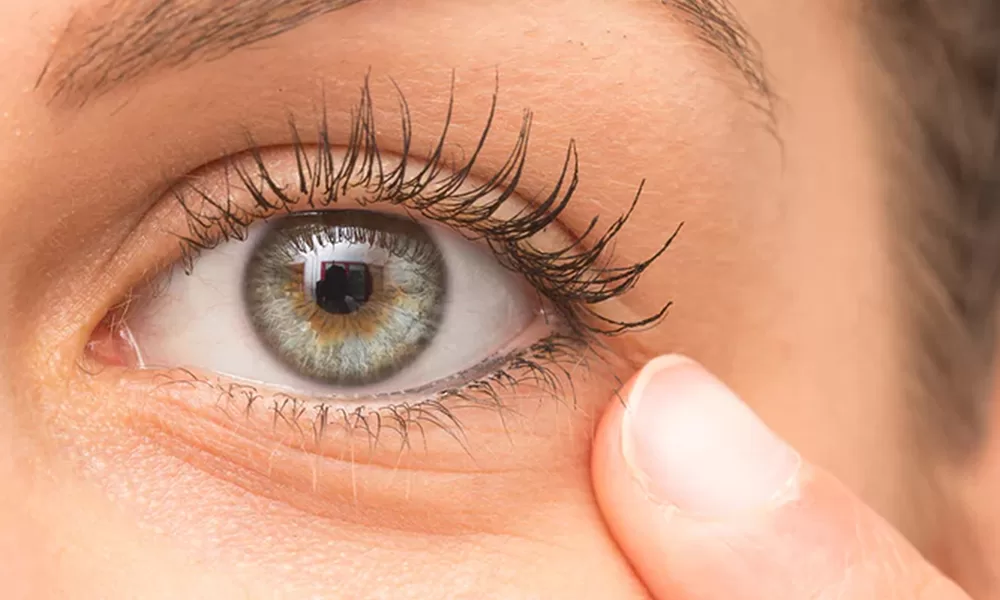
The under-eye area is one of the most delicate structures in the human body. Its skin is thinner, its fat compartments are smaller, and its lymphatic drainage is slower compared to other facial regions. That’s why puffiness and swelling appear here first.
Instead of viewing under-eye bags purely as a cosmetic concern, it helps to understand them biologically. Modern Eye bags treatments are increasingly designed around anatomy, fluid dynamics, and collagen sciencenot just aesthetics.
The Anatomy Behind Under-Eye Bags
To understand treatment, we must first understand structure.
The lower eyelid contains:
- Thin skin (about 40% thinner than the rest of the face)
- Fat pads that cushion the eye
- Ligaments that support fat positioning
- A complex lymphatic drainage network
With aging or genetic predisposition:
- Ligaments weaken
- Fat pads shift forward
- Fluid accumulates
- Skin loses elasticity
This combination creates visible puffiness.
Category 1: Fluid-Based Puffiness Solutions
When eye bags are caused primarily by fluid retention rather than fat displacement, treatment focuses on circulation and drainage.
Lymphatic Stimulation Techniques
- Manual lymphatic massage
- Microcurrent devices
- Cold therapy tools
These methods encourage fluid movement and reduce temporary swelling.
Lifestyle Regulation
- Lower sodium intake
- Elevating the head during sleep
- Managing allergies
- Staying hydrated
These approaches are especially effective for morning puffiness.
Category 2: Collagen Restoration Technologies
If skin laxity contributes to eye bags, collagen-focused therapies may help.
Laser-Based Skin Remodelling
Laser energy stimulates fibroblasts to produce collagen, tightening mild sagging over time.
Radiofrequency (RF) Therapy
RF heats deeper tissue layers, encouraging natural skin contraction.
Microneedling
Creates micro-injuries that trigger healing and collagen regeneration.
These Eye bags treatments work gradually and are best suited for mild to moderate cases.
Category 3: Structural Correction Approaches
When fat protrusion is the primary cause, structural intervention may be required.
Fat Repositioning
Instead of removing fat entirely, modern techniques often reposition it for smoother contours.
Lower Eyelid Surgery
For significant protrusion and excess skin, surgical correction offers long-term improvement.
These methods address anatomy directly rather than surface symptoms.
The Rise of Combination Protocols
One major trend in 2026 is multimodal treatment planning.
Instead of relying on a single solution, specialists now combine:
- Collagen stimulation
- Volume balancing
- Skin resurfacing
- Lifestyle correction
This layered strategy produces more natural results and reduces the risk of overcorrection.
Preventative Under-Eye Care: Starting Early
A proactive approach can delay the need for invasive procedures.
Preventative Measures Include:
- Daily broad-spectrum sunscreen
- Retinol (low strength for eye area)
- Peptide-based eye creams
- Quality sleep cycles
- Reduced screen strain
Prevention won’t stop aging, but it slows visible structural decline.
Choosing the Right Treatment Path
The most important factor in selecting among Eye bags treatments is diagnosis.
Ask:
- Is the issue fluid, fat, or skin laxity?
- Is it genetic or lifestyle-driven?
- Is the concern constant or time-dependent?
An accurate assessment determines whether non-invasive treatments will suffice or whether structural correction is needed.
Safety and Long-Term Thinking
Under-eye skin is delicate. Over-treatment can lead to:
A conservative, anatomy-respecting approach is always safer than aggressive correction.
Function Meets Aesthetics
Eye bags are not simply a beauty issue-they are a structural and physiological change. Modern solutions are no longer about chasing perfection. They are about restoring balance to one of the most expressive areas of the face.
By understanding the science behind puffiness, individuals can choose smarter, safer, and more effective treatment pathways. The future of under-eye care lies in personalization-where anatomy, technology, and realistic expectations intersect for optimal results.
