Author: Jon Ocasio

  • What to expect from an in home personal training session?

    What to expect from an in home personal training session?

    First sessions carry a particular kind of uncertainty. The majority of clients arrive unsure of your trainer’s questions, the space needed, or how structured the hour will be. In Home Personal Training removes the unfamiliar gym environment from that equation entirely. The session happens in a space the client already knows. What replaces that uncertainty is a focused, structured, and personally tailored fitness experience. This adjusts to the individual from the first movement onward.

    Your first session

    The opening session establishes the foundation that everything else builds from. Trainers do not arrive and start exercising immediately. Assessment comes first. Training begins with an assessment of fitness, movement quality, limitations, and goals. If a client communicates openly, they receive tailor-made programs:

    • Mobility and flexibility are assessed across major joint groups before programming begins
    • Basic movement pattern quality observed through foundational bodyweight exercises
    • Cardiovascular baseline established through light activity during the warm-up phase
    • Postural evaluation identifying areas needing targeted corrective attention
    • Goal discussion covering immediate targets alongside longer-term outcome priorities

    That information shapes every session following the first. Nothing gets assumed. Everything gets confirmed through direct observation and honest conversation before programming decisions are finalised.

    Session flow matters

    A structured session moves through defined phases rather than jumping between exercises without purpose. Each phase serves a specific physiological function that contributes directly to the overall session outcome. Knowing the sequence helps clients engage with each phase actively rather than waiting for the next instruction to arrive.

    Sessions progress through a consistent and purposeful structure. A warm-up phase activates muscles and prepares joints for working load, typically running between eight and twelve minutes, depending on the session’s primary focus area. The main working block follows immediately, built around the client’s current program and specific goal priorities for that week. Real time corrections prevent compensation patterns from developing. Recovery is aided by cool-down and mobility phases. Trainers track weight used, repetitions, and technique adjustments within each session. Every session is driven by systematic progression.

    Space and equipment

    Clients assume their home requires significant floor space or specialised equipment before a trainer can work effectively within it. Neither assumption holds across most practical training scenarios. Experienced trainers assess the available space during the first session and build the program around what the space has to offer without compromise. A clear floor area sufficient for mat-based exercise covers the majority of bodyweight and resistance training exercises. Trainers bring portable equipment suited to the client’s program requirements and current capacity level:

    • Resistance bands across varied tension levels for strength and activation work
    • Adjustable dumbbells covering the appropriate load range for the client’s current stage
    • Suspension training equipment is mountable across standard door frames without installation
    • Foam rollers and mobility aids support the cool-down and active recovery phase

    Clients who already own equipment find trainers integrating it directly into session programming rather than replacing it unnecessarily with bought alternatives.

    Following recovery guidance between appointments and engaging fully during the first four to six sessions leads to steady progress. Consistent structured training improves strength and energy levels within weeks. The cumulative effects of each session result in tangible and lasting results.

  • Comparing Traditional Endoscopy vs Capsule Endoscopy

    Comparing Traditional Endoscopy vs Capsule Endoscopy

    Advancements in medical technology have transformed how doctors examine the digestive tract. Among the most commonly discussed options today are traditional endoscopy and capsule endoscopy.

    While both methods aim to visualize the gastrointestinal system, they differ significantly in technique, preparation, comfort, and clinical application. Understanding these differences can help patients feel more informed and confident when discussing diagnostic options with their healthcare provider.

    Understanding Traditional Endoscopy

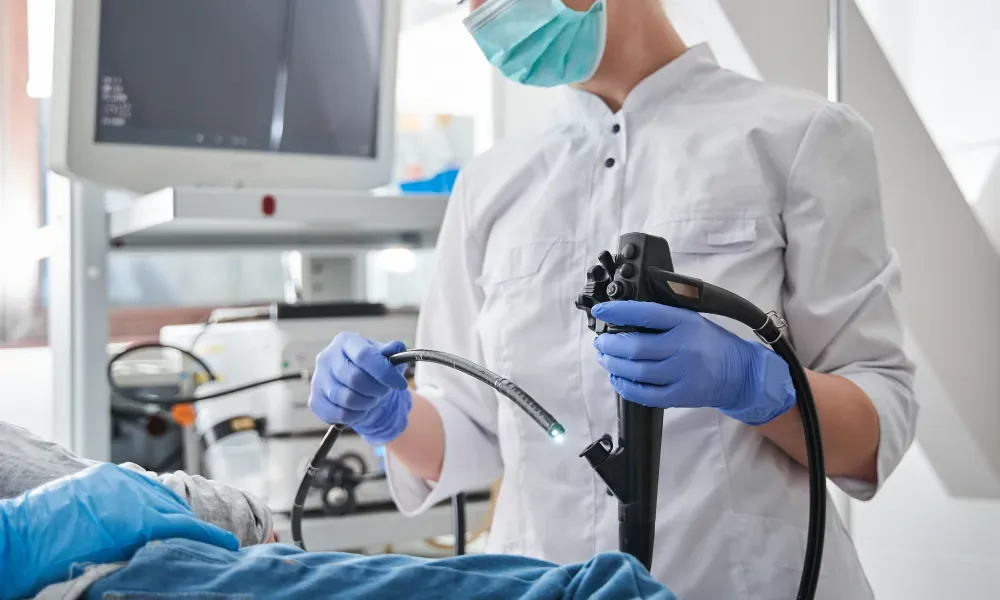
    Traditional endoscopy is a procedure that uses a flexible tube with a camera and light at the tip to directly visualize parts of the digestive tract. Depending on the symptoms, the scope may be inserted through the mouth to examine the esophagus and stomach, or through the rectum to view the colon.

    This method allows doctors to see the lining of the digestive tract in real time. More importantly, it enables therapeutic actions such as biopsies, polyp removal, and control of bleeding during the same procedure. Because of this capability, traditional endoscopy is often considered the gold standard for diagnosing many gastrointestinal conditions.

    What Is Capsule Endoscopy?

    Capsule endoscopy is a less invasive alternative that involves swallowing a small, pill-sized camera. As the capsule travels naturally through the digestive tract, it captures thousands of images, which are transmitted to a recording device worn by the patient.

    This approach is particularly useful for visualizing the small intestine, an area that is difficult to reach with conventional scopes. Capsule endoscopy does not require sedation, and patients can usually go about their day while the camera collects images. Once the capsule passes through the body, it is excreted naturally.

    Differences in Patient Experience

    One of the main reasons patients consider capsule endoscopy is comfort. Swallowing a capsule is generally less intimidating than undergoing a scope-based procedure, which often requires sedation and recovery time.

    Traditional procedures, on the other hand, may involve fasting, bowel preparation, and post-procedure monitoring. While these steps can be inconvenient, they ensure that the doctor obtains clear visuals and can address findings immediately.

    The choice between the two often depends on a patient’s tolerance, medical condition, and the area of the digestive tract that needs examination.

    Diagnostic Capabilities and Accuracy

    Traditional endoscopy offers direct control and real-time visualization, making it highly accurate for detecting inflammation, ulcers, tumors, and bleeding. The ability to take tissue samples is a major advantage, as it allows for definitive diagnosis through laboratory analysis.

    Capsule endoscopy excels in detecting abnormalities in the small intestine, such as obscure bleeding or suspected Crohn’s disease. However, it is purely diagnostic. If an abnormality is found, a traditional procedure may still be required to confirm the diagnosis or provide treatment.

    Safety and Limitations

    Both procedures are generally safe, but each has its limitations. Traditional endoscopy carries small risks associated with sedation and instrument insertion, such as bleeding or perforation, though these are rare when performed by experienced specialists.

    Capsule endoscopy has fewer immediate risks, but it may not be suitable for patients with bowel obstructions or strictures. In rare cases, the capsule can become stuck, requiring medical intervention. Careful patient selection helps minimize this risk.

    Preparation and Recovery Time

    Preparation for traditional endoscopy varies depending on the area examined. Upper procedures usually require fasting, while lower procedures involve bowel cleansing. Recovery includes monitoring until sedation wears off, and patients often need someone to accompany them home.

    Capsule endoscopy typically requires minimal preparation, often limited to fasting. Recovery time is negligible, as no sedation is used. Patients can usually return to normal activities immediately, making it appealing for those with busy schedules.

    Choosing the Right Option

    The decision between traditional endoscopy and capsule endoscopy is guided by clinical needs rather than convenience alone. Doctors consider symptoms, medical history, and the suspected location of disease before recommending a test.

    For conditions requiring biopsy or immediate treatment, traditional endoscopy remains essential. For unexplained symptoms involving the small intestine, capsule endoscopy may offer valuable insights without invasive procedures.

    Conclusion

    Both traditional endoscopy and capsule endoscopy play important roles in modern digestive care. They are not competitors but complementary tools, each suited to specific diagnostic scenarios.

    By understanding how these procedures differ in approach, comfort, and capability, patients can engage in more meaningful discussions with their healthcare providers. An informed choice ensures not only accurate diagnosis but also a smoother and more reassuring medical experience.

  • Decoding the ABCDE Rule: A Comprehensive Guide to Early Melanoma Detection

    Decoding the ABCDE Rule: A Comprehensive Guide to Early Melanoma Detection

    Monitoring your skin is a vital habit for your long-term health. Skin cancer can often appear as a simple dark spot or a changing mole. Early detection saves many lives every single year. You must look at your body with great care and focus. Knowing what to find helps you stay safe and healthy. This guide explains the famous system for checking your skin at home. It provides a clear path for your personal wellness journey.

    Understanding Asymmetry in Skin Spots

    The first letter of the rule stands for asymmetry in moles. A normal mole usually looks round and very even. You can imagine a line through the middle of the spot. Both sides should look like a perfect matching pair. But cancerous spots often have two very different halves. One side might look much larger or thicker than the other.

    This visual mismatch is a primary warning sign for you. Bare Dermatology helps patients understand these subtle physical differences. Now you should check your own skin for these uneven shapes. Sometimes a strange shape is the very first red flag. Here knowing more about ABCDE rule for melanoma skin cancer detection is essential.

    Checking the Borders for Irregular Edges

    The second letter represents the border of the skin lesion. Healthy moles typically have smooth and very distinct edges. You can see exactly where the pigment ends and skin begins. But a melanoma often has blurry or jagged outer boundaries. Bare Dermatology provides detailed exams to catch these dangerous border changes. You can protect your health by noticing these small details early.

    Identifying Color Variations Within Moles

    Color is the third important factor in the skin exam. A safe mole usually has one single shade of brown. But a melanoma often shows many different colors at once. You might see shades of black, brown, and even blue. Sometimes a spot contains patches of red or white. These multiple colors suggest the cells are growing in a chaotic way. So you should be wary of any multicolored skin spots.

    Bare Dermatology experts use special tools to see these deep colors. Consistent color is usually a sign of a very stable mole. Now look for any spot that has more than one hue.

    Monitoring the Evolution of Every Mole

    Evolution is the final and most critical part of the rule. This term describes any change in a mole over time. A mole might change in size, shape, or even height. Sometimes a spot starts to itch or bleed for no reason. You must watch for any new symptoms that appear suddenly. Now is the time to act if a spot looks different. Any crusting or oozing is a major cause for deep concern. Bare Dermatology monitors these changes to ensure your total safety. You should take photos to track the progress of your skin. This habit makes it very easy to spot new developments.

  • A Complete Guide to Urinary Tract Infections (UTIs): Symptoms, Causes, and When to See a Urologist

    A Complete Guide to Urinary Tract Infections (UTIs): Symptoms, Causes, and When to See a Urologist

    Urinary tract infections, commonly known as UTIs, are one of the most frequent bacterial infections affecting millions of people every year. They occur when harmful bacteria enter the urinary tract, which includes the kidneys, ureters, bladder, and urethra. While UTIs can affect anyone, women are more prone due to their shorter urethra, which allows bacteria easier access to the bladder. Understanding the symptoms, causes, and proper treatment of UTIs is essential for maintaining urinary health and preventing potential complications.

    Common Symptoms of UTIs

    The symptoms of a urinary tract infection can range from mild discomfort to severe pain, depending on the location and severity of the infection. The most common symptoms include a strong, persistent urge to urinate, often accompanied by a burning sensation during urination. Other signs may include passing frequent, small amounts of urine, cloudy or strong-smelling urine, and pelvic pain in women. In more severe cases, especially when the infection reaches the kidneys, symptoms can include back or side pain, fever, nausea, and vomiting. Recognizing these symptoms early is crucial for timely treatment and avoiding complications such as kidney infections.

    Causes and Risk Factors of UTIs

    Urinary tract infections are primarily caused by bacteria, with Escherichia coli, or E. coli, being responsible for the majority of cases. These bacteria normally live in the digestive tract but can travel to the urinary tract under certain conditions. Factors that increase the risk of developing a UTI include improper hygiene, sexual activity, urinary retention, catheter use, certain birth control methods, and a weakened immune system. Women who are pregnant or going through menopause are also at a higher risk due to hormonal changes that affect the urinary tract. Men with enlarged prostates may experience urinary retention, creating an environment where bacteria can multiply. Recurrent UTIs may indicate underlying issues that require medical evaluation by a urologist.

    Diagnosis of Urinary Tract Infections

    A urologist, uses a combination of patient history, symptom evaluation, and diagnostic tests to identify UTIs. The most common diagnostic method is a urinalysis, which examines a urine sample for the presence of bacteria, white blood cells, or other indicators of infection. In some cases, a urine culture may be performed to identify the specific bacteria causing the infection and determine the most effective antibiotic treatment. For recurrent or complicated UTIs, imaging studies or cystoscopy may be recommended to examine the urinary tract for abnormalities, blockages, or kidney stones that could contribute to infections. Early diagnosis ensures that treatment can begin promptly, reducing the risk of complications and promoting faster recovery.

    Treatment Options for UTIs

    Treatment for urinary tract infections typically involves antibiotics to eliminate the bacterial infection. The type and duration of antibiotics prescribed depend on the severity of the infection and the patient’s medical history. Over-the-counter pain relievers may also be used to manage discomfort or burning sensations. Drinking plenty of water and staying hydrated helps flush bacteria from the urinary tract and supports the healing process. For individuals experiencing recurrent UTIs, a urologist may recommend preventive measures such as low-dose antibiotics, lifestyle changes, or addressing anatomical issues that contribute to infections. Timely and appropriate treatment is essential to prevent the infection from spreading to the kidneys, which can lead to more serious health complications.

    When to See a Urologist

    While some mild UTIs can be treated by a primary care physician, it is important to see a urologist if symptoms are severe, persistent, or recurrent. Individuals experiencing high fever, back or side pain, blood in the urine, or repeated infections should seek specialized care. Urologists have the expertise to evaluate underlying causes, provide targeted treatments, and develop strategies to prevent future infections. For patients with complex medical histories, anatomical abnormalities, or resistant infections, consulting a urologist ensures comprehensive care and reduces the risk of long-term damage to the urinary tract.

    Preventing Urinary Tract Infections

    Preventive measures play a key role in reducing the likelihood of developing a UTI. Maintaining proper hygiene, staying well-hydrated, urinating after sexual activity, and avoiding irritating feminine products can all help prevent infection. Wearing breathable cotton underwear, avoiding prolonged use of tight clothing, and practicing safe sexual habits also contribute to urinary health. For individuals prone to recurrent UTIs, a urologist may recommend additional preventive strategies or tailored treatment plans to minimize the risk of future infections.

    In conclusion, urinary tract infections are common but manageable with early recognition, proper treatment, and preventive care. Understanding the symptoms, causes, and when to consult a specialist is essential for maintaining urinary health. For those experiencing frequent or complicated infections, expert guidance from a urologist, such as those at Lazare Urology, can ensure accurate diagnosis, effective treatment, and long-term management. Staying informed and proactive about urinary health can help individuals avoid complications and enjoy a higher quality of life.

  • BPC-157 and Tissue Recovery: What the Research Really Shows

    BPC-157 and Tissue Recovery: What the Research Really Shows

    Introduction

    In recent years, interest in injury recovery, joint health, and tissue regeneration has grown rapidly across sports science and general wellness communities. Athletes, physical therapists, and researchers alike are exploring new ways to understand how the body repairs itself after injury or strain.

    One compound that frequently appears in scientific discussions of tissue healing is BPC-157 – a synthetic peptide derived from a naturally occurring protein found in gastric juice. While BPC-157 is not approved for medical use, it has been studied in laboratory settings for its potential effects on tissue repair, inflammation, and cellular signaling.

    This article provides a clear, evidence-based overview of what BPC-157 is, how it is studied, what researchers have observed so far, and why regulatory agencies restrict its use outside of controlled research environments.

    What Is BPC-157?

    BPC-157 stands for Body Protection Compound-157. It is a short chain peptide consisting of 15 amino acids, originally derived from a protective protein found in the human digestive system.

    In laboratory research, BPC-157 is classified as a synthetic research peptide designed to help scientists study:

    • Tissue regeneration mechanisms
    • Inflammation signaling pathways
    • Blood vessel formation (angiogenesis)
    • Tendon, ligament, and muscle repair
    • Gastrointestinal protection

    It is important to note that BPC-157 is not an approved pharmaceutical drug and is not authorized for human medical use.

    Why Researchers Study BPC-157

    Tissue repair is a complex biological process involving:

    • Cellular migration
    • Growth factor signaling
    • Blood vessel development
    • Collagen synthesis
    • Inflammatory regulation

    Injuries to tendons, ligaments, muscles, and connective tissue are notoriously slow to heal due to limited blood supply and high mechanical stress. This has made soft-tissue healing a major focus of sports medicine research.

    BPC-157 has attracted scientific interest because of its apparent ability – in laboratory models – to interact with several pathways involved in tissue regeneration and cellular protection.

    What the Research Has Observed

    Most BPC-157 research has been conducted in animal models and cell cultures, which is the standard first stage of biomedical investigation.

    1. Tendon and Ligament Repair

    Several preclinical studies have examined BPC-157 in models of tendon and ligament injury. Researchers observed:

    • Improved collagen organization
    • Increased fibroblast activity
    • Enhanced blood vessel formation
    • Faster structural healing

    These findings suggest BPC-157 may influence connective tissue remodeling processes under controlled laboratory conditions.

    2. Muscle and Soft Tissue Healing

    In muscle injury models, researchers have explored how BPC-157 interacts with:

    • Inflammatory cytokines
    • Growth factor signaling
    • Satellite cell activation
    • Muscle fiber regeneration

    Some studies reported accelerated tissue repair and reduced markers of inflammation following experimentally induced injury.

    3. Gastrointestinal Protection

    Because BPC-157 originates from a gastric protein, much of its early research focused on digestive tissue.

    In laboratory models, BPC-157 has been observed to:

    • Protect stomach lining from damage
    • Support intestinal healing
    • Improve gut barrier function

    These properties made it a subject of interest in gastrointestinal research.

    4. Blood Vessel Formation (Angiogenesis)

    Angiogenesis – the formation of new blood vessels – is essential for tissue repair. Several studies have observed that BPC-157 may influence vascular growth factors, which play a role in delivering oxygen and nutrients to healing tissue.

    How BPC-157 Works in Research Models

    While the exact mechanisms are still being studied, researchers believe BPC-157 may influence:

    • Nitric oxide signaling
    • Growth hormone receptor pathways
    • VEGF (vascular endothelial growth factor)
    • Inflammatory cytokine regulation
    • Fibroblast activation

    These pathways are central to wound healing and tissue remodeling across the body.

    Regulatory Status and Safety Considerations

    Despite promising laboratory findings, BPC-157 is not approved for medical use.

    FDA Status

    BPC-157 is not approved by the U.S. Food and Drug Administration (FDA) for:

    • Medical treatment
    • Dietary supplementation
    • Therapeutic use

    There are currently no large-scale human clinical trials establishing long-term safety, dosing parameters, or therapeutic efficacy.

    WADA Status (Anti-Doping)

    BPC-157 is listed on the World Anti-Doping Agency (WADA) Prohibited List under the category of prohibited peptides and growth factors.

    This means:

    • It is banned in professional and Olympic sport
    • Athletes testing positive face sanctions and suspensions
    • Its use violates anti-doping regulations

    Why Human Use Is Not Approved

    Before any compound can be approved for medical use, it must undergo:

    1. Phase I safety trials
    2. Phase II efficacy trials
    3. Phase III large-scale clinical trials
    4. Regulatory review and approval

    BPC-157 has not completed this process. While laboratory findings are promising, animal and cell data alone are not sufficient to establish human safety or therapeutic benefit.

    This is why BPC-157 remains classified strictly as a research compound.

    How BPC-157 Is Studied in Scientific Research

    In biomedical research, peptides like BPC-157 are used as investigational tools to better understand biological repair mechanisms.

    Scientists use these models to:

    • Map healing pathways
    • Study tissue regeneration
    • Understand inflammation control
    • Explore vascular development

    This type of research contributes to future drug development and regenerative medicine, even if the compound itself never becomes an approved therapy.

    For readers interested in the scientific background behind peptide research, a comprehensive research guide on BPC-157 and regenerative peptide studies provides an in-depth overview of how these compounds are examined in laboratory environments.

    The Bigger Picture: Recovery Science and Human Performance

    Tissue healing remains one of the most important challenges in sports medicine and rehabilitation. Whether recovering from a torn tendon, strained muscle, or chronic joint injury, the body relies on intricate biological systems to restore function.

    Modern research continues to explore:

    • Stem cell therapies
    • Growth factor modulation
    • Peptide signaling
    • Regenerative medicine techniques

    BPC-157 represents one small part of this much larger scientific effort to better understand how the body heals itself.

    Important Takeaways

    • BPC-157 is a synthetic research peptide derived from a naturally occurring gastric protein
    • It has been studied in laboratory models for tissue repair, inflammation, and vascular development
    • It is not FDA-approved for medical or dietary use
    • It is banned by WADA and prohibited in professional sport
    • Human safety and efficacy have not been established through clinical trials
    • It remains restricted to scientific research environments

    Conclusion

    BPC-157 is an intriguing subject of biomedical research due to its apparent interaction with key tissue repair pathways. Laboratory studies suggest it may influence collagen synthesis, inflammation regulation, and blood vessel formation – all essential components of healing.

    However, until rigorous human clinical trials are completed and regulatory approval is granted, BPC-157 remains a research compound only. Its study continues to contribute to a broader understanding of regenerative medicine, even as its real-world applications remain limited to laboratory investigation.

    As interest in recovery science grows, compounds like BPC-157 highlight the importance of evidence-based research in shaping the future of sports medicine and human performance.


  • Unlocking Confidence and Teamwork Through Youth Soccer Programs

    Unlocking Confidence and Teamwork Through Youth Soccer Programs

    Few childhood experiences rival the exhilaration of sprinting across a soccer field with teammates cheering you on. For many kids, youth soccer is far more than a game; it’s a launchpad for self-belief and social growth that leaves a lasting mark on their lives.

    The Transformative Power of Youth Soccer Programs

    Early exposure to soccer is a game changer for children discovering what they’re capable of. Mastering a new skill, whether it’s a well-timed pass or a first successful dribble, provides instant feedback that builds real confidence. These small victories accumulate, fueling a sense of achievement that carries into school, friendships, and daily problem-solving. When a child realizes they can learn something new on the field, it’s easier to believe they can meet challenges off it, too.

    Soccer, like all team sports, has a unique way of bringing children together from diverse backgrounds and personalities. Navigating wins and losses as a group teaches empathy, teaches young players how to offer and receive encouragement, and helps them read social cues. For shy kids, being part of a team can transform nervousness into a newfound sense of belonging.

    Case Study: FFMTL Soccer Academy’s Approach to Confidence and Teamwork

    What sets programs like FFMTL Soccer Academy apart is their focus on holistic development, guided by coaches who bring elite European training philosophies to Montreal’s youth. Rather than drilling only technical skills, their sessions are designed to nurture confidence and resilience alongside strategy and agility. The combination of individualized attention and small-group dynamics means every child gets a chance to shine and to feel supported when they stumble.

    Each week, players work through drills that challenge both mind and body, but the curriculum is always matched to the player’s ability. This personalized approach allows both beginners and advanced players to find just the right level of challenge, keeping motivation and optimism high. Parents frequently share stories of their children becoming more self-assured and communicative not just on the pitch, but at home and in the classroom.

    Cultivating Teamwork: Lessons Beyond the Game

    An essential part of youth soccer’s magic lies in the constant practice of communication. Kids quickly learn that scoring a goal takes more than individual talent; it demands cooperation, clear signals, and trust. Coaches at FFMTL don’t just instruct, they facilitate group discussions and activities that reinforce the importance of each voice, whether it’s the outgoing striker or the quiet defender.

    Challenges are inevitable, but coaches model positive conflict resolution when tensions rise. Children witness firsthand how to apologize, forgive, and move forward, a lesson with value far beyond the field.

    Physical and Mental Benefits of Participation

    Soccer’s physical rewards are well-known. Regular practice improves cardiovascular fitness, balance, and hand-eye coordination. But perhaps even more vital is the mental resilience gained from competition and teamwork. Bouncing back from a missed goal, learning to handle defeat gracefully, and staying focused under pressure are qualities that set kids up for success long after the final whistle.

    Parental and Community Support: A Vital Component

    A child’s confidence flourishes when their efforts are noticed and supported. Parents who encourage regular participation and model positive attitudes, regardless of the match outcome, help children stay motivated. Community involvement also matters; programs thrive when volunteers, organizers, and local supporters create a welcoming, encouraging environment for every young athlete.

    Comparing Indoor and Outdoor Youth Soccer Programs

    Montreal’s unique climate makes indoor soccer programs particularly valuable. Unlike outdoor leagues, indoor facilities like Fitness Factory MTL kids soccer offer a controlled environment where play continues, rain or shine. This reliability ensures consistent training schedules, helping kids maintain momentum and progress. Indoor soccer also emphasizes tighter spaces and faster gameplay, sharpening agility and quick decision-making, skills that feed back into both confidence and collaborative play.

    Measuring Success Beyond the Scoreboard

    The true impact of a youth soccer program isn’t measured in wins and losses. Growth is evident in the increasing willingness of a child to speak up, offer support, or try something new. Many programs use regular feedback sessions, skill assessments, and testimonials from parents and players to track these less visible but deeply meaningful strides.

    Unlocking Potential: How to Get Started and Make the Most of Youth Soccer Programs

    Finding the right fit for your child means looking for programs where coaches offer both expertise and empathy. Ask about session structure, group sizes, and the philosophy behind training. Most importantly, choose an environment where your child feels safe to take risks and celebrate improvement, not just victory.

    Finally, keep the journey joyful. Celebrate effort, not just results, and help your young athlete see every practice as another step in unlocking their potential, on the soccer pitch and beyond.

  • Sildenafil Dosage Explained: How to Use It Safely and Effectively

    Sildenafil Dosage Explained: How to Use It Safely and Effectively

    Understanding the correct dosage of sildenafil is one of the most important factors in achieving good results while minimizing risks. Many men assume that higher doses automatically mean stronger effects, but this is not how sildenafil works. Using the right dose — tailored to individual needs, health status, and response — is essential for both safety and effectiveness.

    This guide explains how sildenafil dosage works, what influences it, and how to use the medication responsibly.

    Why Dosage Matters

    Sildenafil acts on blood vessels by enhancing their ability to stay relaxed during sexual stimulation. While this mechanism is highly effective, it also affects blood pressure and circulation throughout the body. The goal of proper dosing is to achieve sufficient erectile support without overwhelming the system or increasing side effects unnecessarily.

    Men experiencing reduced erection quality, such as difficulty maintaining firmness or consistency — often described as Erezione Debole — may benefit greatly from sildenafil, but only when dosage is chosen carefully.

    Standard Sildenafil Dosages

    Sildenafil is typically available in three main strengths:

    • 25 mg
    • 50 mg
    • 100 mg

    These dosages allow physicians to adjust treatment based on age, health, tolerance, and response.

    25 mg is usually recommended for:

    • Older men
    • Men with liver or kidney impairment
    • Those taking medications that affect sildenafil metabolism
    • First-time users who want to minimize side effects

    50 mg is the most commonly prescribed starting dose. It provides a balance between effectiveness and tolerability for many men.

    100 mg is the highest standard dose and is generally prescribed only when lower doses do not produce adequate results.

    When Higher Dosage Is Considered

    Some men do not respond sufficiently to lower doses. In such cases, a doctor may recommend Sildenafil 100mg after evaluating cardiovascular health, medication interactions, and previous response.

    It is important to understand that increasing dosage does not change the way sildenafil works — it simply amplifies the same effect. This means side effects may also become stronger or more frequent at higher doses.

    Self-increasing the dose without medical guidance is not recommended and can increase health risks without guaranteeing better performance.

    Timing and Frequency of Use

    Sildenafil is designed for use on demand. It is typically taken 30 to 60 minutes before sexual activity. Its effects last around four to six hours, although this varies between individuals.

    Key timing considerations include:

    • taking sildenafil too early may reduce effectiveness
    • taking it too late may not allow sufficient absorption
    • high-fat meals can delay onset
    • alcohol may reduce effectiveness and increase side effects

    Sildenafil should not be taken more than once per day, regardless of dose.

    Factors That Influence the Right Dose

    Several individual factors affect how sildenafil works in the body:

    Age

    As metabolism slows with age, sildenafil may remain active longer. Lower starting doses are often recommended for older men.

    Body weight and composition

    While not strictly weight-based, body composition can influence circulation and drug distribution.

    Liver and kidney function

    Impaired organ function slows drug clearance, increasing side effect risk.

    Other medications

    Some drugs — especially antifungals, antibiotics, and HIV medications — affect sildenafil metabolism.

    Psychological factors

    Anxiety, expectations, and stress levels can influence perceived effectiveness.

    Signs the Dose May Be Too Low

    A dose may be insufficient if:

    • Erection Firmness Improves Only Slightly
    • Erections Fade Quickly
    • Consistency Remains Unreliable

    In such cases, a healthcare provider may adjust dosage or timing rather than immediately increasing to the maximum dose.

    Signs the Dose May Be Too High

    Indicators that the dose is too strong include:

    • Intense Headaches
    • Severe Flushing
    • Dizziness Or Lightheadedness
    • Visual Disturbances
    • Nausea

    Experiencing these effects suggests the dose should be reduced rather than tolerated.

    Can Sildenafil Stop Working Over Time?

    Sildenafil does not cause physiological tolerance in the traditional sense. If it seems less effective over time, common reasons include:

    • Worsening Vascular Health
    • Increased Stress Or Anxiety
    • Lifestyle Deterioration
    • Progression Of Underlying Conditions

    In these cases, increasing dosage may not solve the issue. Addressing root causes is more effective.

    Combining Dosage With Healthy Habits

    Sildenafil works best when the body is already functioning well. Men who exercise regularly, eat a balanced diet, sleep adequately, and manage stress often require lower doses for the same effect.

    Conversely, smoking, excessive alcohol, poor sleep, and inactivity can blunt response, leading men to assume they need higher doses when the real issue lies elsewhere.

    Common Dosage Myths

    “More is always better”

    False. Higher doses increase side effects without guaranteeing better erections.

    “It should work instantly”

    False. Sexual stimulation and proper timing are required.

    “If it doesn’t work once, it never will”

    False. Adjustments often improve results.

    Medical Supervision Is Essential

    Even though sildenafil is widely used, it should not be treated casually. A healthcare provider can determine:

    • The Safest Starting Dose
    • Whether Sildenafil Is Appropriate
    • How To Adjust Dosage Responsibly

    This is especially important for men with heart conditions, blood pressure issues, or multiple medications.

    Final Thoughts

    Correct sildenafil dosage is about balance, not maximum strength. The most effective dose is the lowest one that consistently produces satisfactory results with minimal side effects. Whether a man is addressing occasional difficulties or more persistent erectile challenges, responsible dosing protects health while enhancing confidence and performance.

    Used correctly, sildenafil is a reliable tool — not because of how strong it is, but because of how precisely it can be tailored to the individual.

  • Building the Unshakable Foundation: Parterapi På Engelsk

    Building the Unshakable Foundation: Parterapi På Engelsk

    Trust, security, and respect

    Couple therapy in English focuses on establishing and reinforcing the essential pillars of a successful partnership: trust, security, and respect. By engaging in guided professional work, couples acquire the crucial communication skills necessary to break away from destructive cycles and move intentionally toward a secure, value-driven relationship. This deep therapeutic engagement aims not only to alleviate immediate conflict but to provide a cohesive path toward lasting emotional stability.


    When the Relationship is Stuck: Uncovering the Invisible Cycles

    When couples experience chronic conflict, emotional distance, or frustrating stagnation, they often find themselves caught in repetitive cycles that erode the relationship’s core foundation of trust, security, and respect. These dynamics are usually driven by unconscious expectations and maladaptive behaviors rooted in unhealed emotional wounds or past relational history. Behaviors such as excessive criticism, reflexive defensiveness, or emotional stonewalling often enter the relationship, driven by survival strategies learned long ago, unintentionally causing significant pain in the present.

    Achieving Psychological Flexibility

    In a moment of stress or intense emotion, the brain’s instinctive reaction can hijack rational thought, leading to automatic behaviors that derail productive conversation. Therapy provides the framework to step back from this automatic reaction. It encourages self-awareness—the ability to identify when past pain is fueling present behavior—and cultivate a mindful response rather than reacting impulsively. This internal shift involves observing troubling thoughts and feelings without being dominated by them, a core skill taught in professional parterapi på engelsk.

    Mastering the Languages of Intimacy

    The ability to communicate clearly and constructively is perhaps the single most vital factor in maintaining a healthy relationship. Therapy functions as a classroom for relational health, where partners acquire and practice the specific linguistic tools necessary for transparent dialogue. This education focuses on responsible self-expression, actively encouraging the replacement of accusatory “You statements” with non-blaming “I statements,” ensuring that even difficult emotions can be conveyed without provoking the partner’s defensive mechanisms. Through dedicated practice, both individuals become better listeners, focusing intently on their partner’s perspective to achieve understanding, a habit that must be practiced consistently until it becomes fluid and natural.

    Committing to a Lasting, Value-Based Partnership

    Sustaining a relationship requires deliberate action and continuous effort rooted in shared purpose. True emotional stability is achieved not when conflicts vanish, but when both partners choose consistency and engagement over apathy and avoidance, acting in accordance with their highest values—such as honesty, commitment, and kindness—even when they don’t feel passionate. Identifying these deeply held shared values acts as the necessary compass, guiding the relationship through inevitable challenges and ensuring that the effort invested leads toward a fulfilling and meaningful future. Choosing parterapi på engelsk is choosing an intentional path to transform shared aspirations into committed action.

    Committing to this proactive model of loving is how the initial foundations of trust, security, and respect established in parterapi på engelsk are protected and strengthened for a lifetime.

  • Finding Excellence Essential Skills for Temp Dental Assistants

    Finding Excellence Essential Skills for Temp Dental Assistants

    Hiring temporary dental assistants offers great flexibility now. It skilfully bridges staffing gaps quickly. Dental offices consistently seek top talent. Quality patient care remains paramount always. A temporary assistant must integrate smoothly. They need core competencies immediately. Evaluating candidates demands very careful attention. Their reliable skills ensure practice continuity. It truly maintains high patient satisfaction levels. Kwikly helps connect busy offices with qualified dental professionals fast. Finding the right fit saves precious time. It decisively prevents workflow disruption. Smart hiring choices benefit the entire dental team. This guide outlines essential attributes. It focuses on necessary qualifications. Offices find success this way.

    Clinical Competence and Certifications

    A temporary dental assistant needs strong clinical skills. They must perform chairside duties flawlessly. Assisting with various procedures is crucial daily. Instrument sterilization demands precision always. Four-handed dentistry experience proves vital. A solid understanding of dental terminology remains essential. Radiography skills are often absolutely required. Those working as dental assistant temps must also understand state-specific expectations clearly. State-specific certifications are clearly mandatory for all. Local requirements vary sometimes significantly. Always check for current licensure carefully. Ensure valid X-ray certification is present. Basic life support BLS is also critical. These core qualifications verify true competence. They guarantee safe patient care delivery. A clinically skilled assistant greatly boosts office efficiency. This expertise offers immediate value. It ensures smooth daily operations seamlessly.

    Clear Communication Is Absolutely Paramount

    Assistants interact with patients constantly. Explaining procedures helps patients relax greatly. They answer patient questions thoroughly and kindly. They also collaborate effectively with dentists. Other team members rely on their clear input. Listening actively truly shows respect. Non-verbal cues matter greatly too. A genuinely positive attitude spreads cheer. Empathy comforts anxious patients often. Building rapport is essential always. A warm friendly demeanour relaxes everyone.

    Skill and Reliability

    Professionalism clearly defines a great temporary assistant. Ethical conduct is expected always. A strong tireless work ethic shines through. They complete tasks efficiently and accurately. Reliability builds strong vital trust. Offices desperately need dependable staff members. Temporary assistants represent the entire dental practice. Their conduct reflects on everyone. A professional demeanour leaves lasting positive impressions. Many practices rely on platforms like Kwikly to find assistants who embody this level of professionalism. They fit seamlessly into almost any team.

    Tech Savvy and System Familiarity

    Modern dentistry relies heavily on technology greatly. Dental assistants often use complex practice management software. Familiarity with electronic health records is absolutely key. Digital imaging systems are common everywhere. Intraoral cameras are used daily for diagnostics. Knowing these essential tools saves valuable training time. Basic computer skills are truly essential for every role. Troubleshooting minor tech issues helps immensely. Adaptability to new software is critical always. Many offices use different unique systems. A quick learner excels here consistently. Understanding digital workflows streamlines daily tasks. Efficient tech use boosts overall productivity. This vital skill set adds huge value.

  • Top 10 Health Conditions Diagnosed Through Endoscopy

    Top 10 Health Conditions Diagnosed Through Endoscopy

    Endoscopy has revolutionized modern medicine by allowing doctors to examine the inside of the body without making large incisions. This minimally invasive procedure involves inserting a flexible tube with a camera and light into the body to view internal organs and tissues in real-time.

    It is commonly used to explore the gastrointestinal (GI) tract, but its application extends to other systems as well. By providing a clear view and enabling tissue sampling, the endoscopic procedure plays a crucial role in diagnosing a wide range of health conditions.

    1. Gastroesophageal Reflux Disease (GERD)

    GERD is a chronic digestive disorder in which stomach acid frequently flows back into the esophagus, causing heartburn and irritation. When symptoms are persistent or resistant to treatment, an upper endoscopy is often performed to assess damage to the esophageal lining. This helps confirm the diagnosis and rule out more serious complications such as Barrett’s esophagus.

    2. Peptic Ulcers

    Peptic ulcers are open sores that develop on the lining of the stomach or upper small intestine. They are often caused by Helicobacter pylori infection or long-term use of nonsteroidal anti-inflammatory drugs (NSAIDs). Through endoscopy, doctors can directly visualize the ulcers, determine their severity, and take biopsies if needed.

    3. Celiac Disease

    Celiac disease is an autoimmune condition triggered by the ingestion of gluten. It damages the small intestine’s lining, leading to poor nutrient absorption. While blood tests can indicate the possibility of celiac disease, endoscopy with a small bowel biopsy is essential for a definitive diagnosis. This allows doctors to examine the villi and confirm intestinal damage.

    4. Esophageal Varices

    Esophageal varices are enlarged veins in the esophagus that can rupture and bleed, particularly in people with liver disease. Endoscopy is the primary method for detecting and monitoring these veins. If active bleeding is found, doctors can use endoscopic techniques like banding or sclerotherapy to control it immediately.

    5. Gastric Cancer

    Gastric (stomach) cancer often develops silently in its early stages. Symptoms like weight loss, fatigue, or gastric discomfort may prompt a doctor to order an upper endoscopy. This allows for direct visualization of suspicious areas and biopsy collection. Early detection significantly improves treatment outcomes.

    6. Inflammatory Bowel Disease (IBD)

    IBD includes Crohn’s disease and ulcerative colitis, both of which cause chronic inflammation of the digestive tract. Colonoscopy, a type of endoscopy that examines the colon, is the gold standard for diagnosing and monitoring these conditions. It helps identify inflammation, ulcers, and complications such as strictures or fistulas.

    7. Colon Polyps and Colorectal Cancer

    Colonoscopy is the most effective tool for detecting colon polyps, which are growths on the inner lining of the colon that can turn cancerous over time. By identifying and removing these polyps during the same procedure, endoscopy not only diagnoses but also prevents colorectal cancer. Regular screening is recommended starting at age 45 or earlier for high-risk individuals.

    8. Barrett’s Esophagus

    Barrett’s esophagus is a condition in which the tissue lining the esophagus changes, often due to chronic acid reflux. This condition increases the risk of developing esophageal cancer. An upper endoscopy is necessary to diagnose Barrett’s esophagus, and tissue samples are taken for further examination. Surveillance through periodic endoscopy is often recommended for those diagnosed.

    9. Upper GI Bleeding

    Unexplained bleeding in the upper digestive tract can lead to symptoms like vomiting blood or passing black stools. Endoscopy is a critical diagnostic tool in identifying the source of bleeding, such as ulcers, varices, or tumors. It also allows for immediate therapeutic intervention to stop the bleeding.

    10. Swallowing Disorders (Dysphagia)

    Difficulty swallowing may result from structural abnormalities or motility disorders. Endoscopy helps identify causes such as esophageal strictures, rings, webs, or tumors. It provides a clear view of the esophagus and allows for dilation or other treatments if necessary.

    The Diagnostic Power of Endoscopy

    Endoscopy stands out as a powerful tool in modern diagnostics. It allows for a combination of visual inspection, biopsy collection, and therapeutic intervention, all in a single procedure. While it’s most commonly associated with gastrointestinal issues, its applications also extend to the respiratory system, urinary tract, and joints.

    For patients, the benefits are clear: minimal recovery time, accurate diagnoses, and the potential to catch diseases early. Whether you’re dealing with persistent symptoms or undergoing routine screening, discussing the possibility of endoscopy with your healthcare provider can be a valuable step toward better health.