Author: Loretta Walker

  • Behind the Scenes: The Working of a Diagnostic Center

    Behind the Scenes: The Working of a Diagnostic Center

    Imagine walking into a bustling diagnostic center. On the surface, it’s a whirlwind of activity – people in white coats rushing about, machines whirring, phone lines ringing. But beneath this flurry lies a well-oiled machine, tirelessly working to decipher the hidden messages in our bodies. From diagnosing common conditions like hypertension irving to identifying rare diseases, this behind-the-scenes look into a diagnostic center will unravel the mystery. It’s about time we appreciate the unsung heroes of the medical field.

    The Unseen Workforce

    Think of the hundreds of blood tests that pass through a diagnostic center every day. Each sample has a story, a story of uncertainty, hope, and sometimes fear. It’s up to the lab technicians to read those stories. They’re not just testing blood. They’re seeking answers that can save lives. That’s their mission.

    The Tools They Use

    Ever seen a centrifuge? It’s a fascinating machine. It spins the blood samples at high speeds. The result? Blood components separate, making it easier to analyze. Then there’s the microscope, the lab technician’s closest ally. Together, they uncover truths hidden to the naked eye.

    How They Operate

    It’s not all machines and test tubes, though. There’s a lot of paperwork, too. Recording patient information, and tracking test results – it’s a meticulous task. But it’s crucial. One tiny error can lead to a misdiagnosis. Hence, attention to detail is paramount in a diagnostic center.

    The Pressure They Handle

    Imagine the weight they carry. Each test result they deliver can alter someone’s life. They work under this constant pressure. Yet, they carry out their duties with utmost commitment. It’s a tough job, but they do it anyway. Because they know, at the end of the day, they’re making a difference.

    Why It Matters

    We often take diagnostic centers for granted. We walk in, give our samples, and walk out. But now, you know what goes on behind those closed doors. You understand the effort, the precision, and the dedication it takes. So, the next time you visit a diagnostic center, remember to appreciate the work they do. They’re the silent heroes, working behind the scenes to keep us healthy.

  • Exploring the Various Methods of Pain Management

    Exploring the Various Methods of Pain Management

    Imagine this. You’re strolling down the beautiful sunlit shores of Myrtle Beach. Suddenly, a sharp twinge in your knee jolts you back to reality — the reality of chronic knee pain. You know you’re not alone. Countless others are also battling their own private wars against pain. In this blog, we’ll delve into the diverse world of  pain management doctor near me. By exploring various methods, from the conventional to the cutting-edge, you’ll gain a better understanding of how to combat pain. For those struggling with “knee pain myrtle beach“, this enlightening journey could open doors to newfound relief and improved quality of life.

    Conventional Methods of Pain Management

    These are the tried and tested methods. We’re talking about over-the-counter pain relievers, prescription medications, and physical therapy. They work for many, yet not everyone. Let’s not forget about the side effects too. They can be a pain in their own right.

    Alternative Treatments

    When traditional methods fail, there are other options. Think acupuncture, chiropractic adjustments, or even yoga. They might sound strange, but sometimes, the weirdest ideas are the ones that work. They’re worth a shot — what have you got to lose?

    Cutting-edge Techniques

    Science never sleeps. New approaches to pain management keep emerging. We’re talking about nerve blocks, spinal cord stimulation, and even regenerative medicine. They could be game-changers. They hold the promise of a future where pain might be a relic of the past.

    Self-management Strategies

    Yes, you can play an active role in managing your pain. Simple activities like regular exercise, mindfulness meditation, or maintaining a healthy diet can do wonders. Remember, you have power over your pain. It doesn’t have to rule your life.

    Psychological Therapies

    Never underestimate the power of the mind. Cognitive-behavioral therapy, relaxation techniques, and biofeedback can help you manage pain. They can change your relationship with pain. You might not be able to eliminate it, but you can learn to live with it.

    A Customized Approach

    What works for one person might not work for another. Pain management is not a one-size-fits-all deal. It’s a journey of discovery. You need to find what works for you — whether it’s a single method or a combination of different techniques.

    Remember, you’re not alone in your battle against pain. Help is available, whether you’re dealing with knee pain in Myrtle Beach or anywhere else. The first step is always the hardest. But once you take it, you’re on the path to a more comfortable life.

  • How Podiatrists help in improving quality of life

    How Podiatrists help in improving quality of life

    Imagine it’s a bright and sunny day in Nashville. You’re ready to hit the town, but there’s one problem. Every step sends pain shooting through your foot. It’s not just a small inconvenience—it’s a full-fledged foot infection that’s keeping you from enjoying life. Enter the podiatrist, the hero who swoops in to save the day. They tackle everything from a regular foot ache, to a nasty nashville foot infection, helping you get back on your feet. Their work improves the quality of your life, allowing you to live pain-free and enjoy every step you take.

    The Foot-Saving Heroes: Podiatrists

    Picture a soldier on the battlefield. They fight relentlessly, protecting us from hidden dangers. For your feet, that soldier is a podiatrist. They are medical specialists focused on the diagnosis and treatment of foot and ankle disorders. Whether it’s a minor ache or a severe infection, they have the knowledge and skills to treat it.

    Treating Nashville Foot Infections

    A foot infection can range from a minor annoyance to a debilitating condition. In severe cases, it can even lead to amputation. But with a podiatrist’s help, most of these issues can be resolved. They use a variety of treatments—from antibiotics to surgical procedures—to handle foot infections. They not only clear the infection but also provide pain relief and improve functionality.

    Improving Quality of Life

    Foot problems can impact your life in significant ways. It’s not just about physical pain. They can limit your mobility, affect your mood, and even alter your lifestyle. But a podiatrist can help turn things around. By treating foot and ankle issues, they give you the freedom to move and live without pain. They restore your ability to walk, run, and enjoy life.

    An Ounce of Prevention

    Of course, the best way to avoid foot pain and infection is to prevent them from occurring in the first place. Podiatrists can recommend specific footwear, suggest exercises to improve foot strength, and provide advice on foot hygiene. These preventative measures can go a long way in ensuring healthy feet.

    Wrapping Up

    So if you’re suffering from a foot problem—be it a minor ache or a major infection—don’t ignore it. Seek the help of a podiatrist. They can diagnose the issue, provide effective treatment, and help you get back on your feet. Remember, your feet carry you through life. It’s essential to take good care of them.

  • The Effect of Diet on Heart Health: A Cardiologist’s Perspective

    The Effect of Diet on Heart Health: A Cardiologist’s Perspective

    Picture this – you’re sitting in a clinic in Deerfield Beach. You’re not there for a routine checkup. Rather, you’re there for a stress test. stress testing Deerfield Beach isn’t the afternoon at the beach you’d planned when you moved to Florida. You’re nervous, your palms are sweaty, and a single question races through your mind: “Could my diet have caused this?” Today, we’re diving into ‘The Effect of Diet on Heart Health: A Cardiologist’s Perspective,’ a topic that will, hopefully, answer this burning question and more.

    The Connection between Diet and Heart Health

    First things first. Yes, your diet can have a significant impact on your heart health. It’s more than just a hunch. It’s backed by years of research and countless medical studies. The food you eat provides your body with the fuel it needs to function. Think of your body as a car. If you keep pumping it with low-quality fuel, it’s bound to break down sooner than you’d like.

    What to Eat for a Healthy Heart?

    So, what’s the magic formula for a heart-healthy diet? It’s simpler than you might think:

    • Stay away from trans fats and limit your intake of saturated fats. They’re the villains in our story, often found in processed foods and fast food.
    • Load up on fruits, vegetables, and whole grains. They’re the superheroes, fighting against heart disease with their fiber, nutrients, and antioxidants.
    • Choose lean proteins, like fish and poultry, over red meat. And remember, portion control is key. Even too much of a good thing can be bad.

    The Part Exercise Plays

    Of course, diet is just one piece of the puzzle. Regular physical activity is another crucial component of heart health. It helps control your weight, reduces the risk of heart disease, and can even boost your mood and energy levels. So go ahead, take that brisk walk on the beach, or try a new dance class. Your heart will thank you.

    Keep the Stress at Bay

    Lastly, don’t forget to manage your stress levels. Consistent high stress can increase your heart disease risk. Whether it’s yoga, meditation, reading a book, or enjoying a sunset at the beach, find what relaxes you and make it a part of your routine.

    Remember, it’s never too late to make changes that can improve your heart health. So next time you’re sitting in a clinic waiting for a stress test, you’ll know you’ve done everything you can to keep your heart strong. Here’s to a healthier, happier heart!

  • Why You Should Consult a Nutritionist for Weight Loss

    Why You Should Consult a Nutritionist for Weight Loss

    Imagine you’ve tried every diet under the sun. The low-carb, the high-protein, the raw food. None of them seem to work. It’s frustrating, disheartening even. I know the feeling. Now, imagine there’s a simple, effective solution to this cycle of failed diets. It’s a tiresome journey, but it doesn’t have to be. Enter the world of professional nutrition consulting. I’m not talking about just any diet plan. I’m talking about an approach that involves the use of tampa semaglutide, a game changer in the weight loss field. A nutritionist can unlock a world of weight loss possibilities you may have never imagined. Trust me, it’s a decision you won’t regret.

    A Unique Approach to Weight Loss

    Picture a weight loss journey where you’re not left feeling hungry all the time. An approach where you don’t need to give up your favorite foods. This is what a nutritionist can offer you. They offer an approach that is tailored to your body’s needs because no two bodies are the same.

    Semaglutide – The Game Changer

    Have you heard of semaglutide? It’s revolutionizing the weight loss industry. Semaglutide is a medication used to regulate your appetite. It’s not a miracle drug, but rather a tool that can aid your weight loss journey when used correctly.

    Why You Need a Nutritionist

    Weight loss is not just about eating less, it’s about eating right. A nutritionist can help you understand your body’s needs. They can design a diet plan that is not only effective for weight loss but also sustainable in the long run. They take into account your lifestyle, eating habits, health conditions, and food preferences. This is not a one-size-fits-all diet plan. It’s a diet plan that is made for you and only you.

    The Power of Professional Guidance

    A professional nutritionist can educate you on the effects of different foods on your body. They can guide you on how to make healthier choices without feeling deprived. They can motivate you and hold you accountable. It’s not about quick fixes, it’s about long-term changes. With their guidance, losing weight doesn’t have to feel like a punishment.

    Conclusion

    Weight loss is a journey. It’s a battle against old habits and the creation of new ones. It takes time, patience, and dedication. But with the right tools and guidance, it can be a rewarding and life-changing experience. So, don’t give up just yet. Consult a nutritionist and unlock a world of weight loss possibilities you may have never imagined.

  • Here Are the Key Factors to Consider Before You Buy NAC in NZ

    Here Are the Key Factors to Consider Before You Buy NAC in NZ

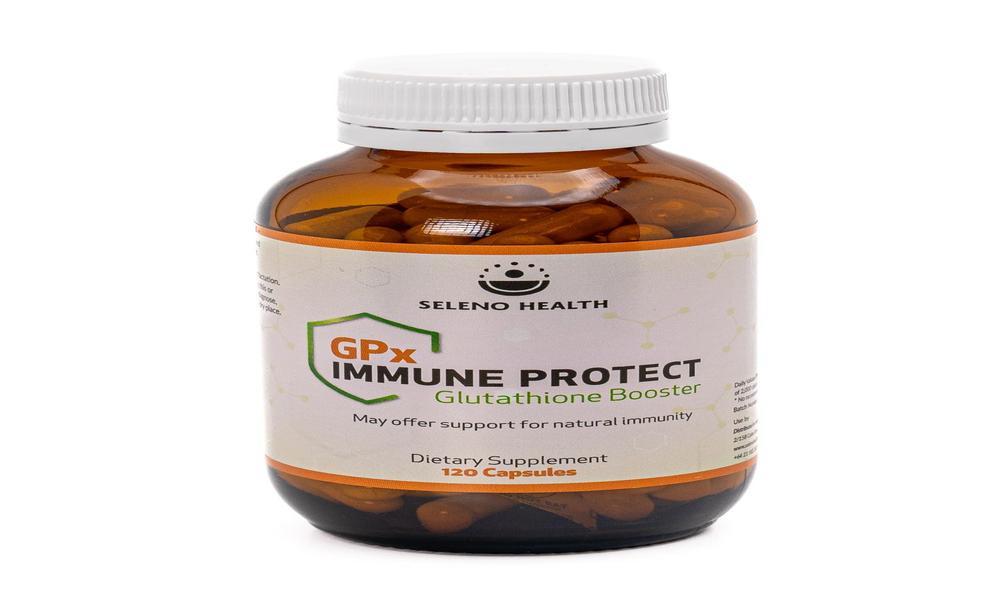
    N-acetylcysteine, commonly known as NAC, has gained popularity as a supplement with various potential health benefits. If you’re considering buying NAC in New Zealand (NZ), it’s essential to make an informed decision. This comprehensive guide will walk you through the key factors you should consider before you buy NAC in NZ.

    1. Quality and Purity

    The quality and purity of NAC supplements are of paramount importance. You want a product that is free from contaminants and provides you with the stated dosage of NAC. To ensure quality, consider the following:

    • Brand Reputation: Opt for well-known and reputable brands that adhere to strict quality control standards.
    • Third-Party Testing: Look for products that undergo third-party testing for purity and potency. This ensures that what you’re buying meets the claimed specifications.

    2. Dosage and Form

    NAC supplements come in various forms, including capsules, tablets, and powders. Consider the dosage form that is most convenient for you, but also pay attention to the recommended dosage. The appropriate dosage can vary depending on your specific health goals and needs, so consult a healthcare professional if you’re unsure.

    3. Health Goals

    Why are you interested in buying NAC? Understanding your health goals is crucial in determining whether NAC is the right supplement for you. Some common reasons people consider NAC include:

    • Liver Support: NAC is known to support liver health and detoxification processes.
    • Respiratory Health: It may help with respiratory conditions and mucus clearance.
    • Antioxidant Support: NAC acts as a powerful antioxidant, which can help combat oxidative stress in the body.

    Knowing your specific health goals will guide you in choosing the right NAC product and dosage.

    4. Consultation with a Healthcare Professional

    Before starting any new supplement regimen, it’s wise to consult with a healthcare professional, such as a doctor or registered dietitian. They can provide personalized recommendations based on your health status, medical history, and any potential interactions with other medications or supplements you may be taking.

    5. Price and Budget

    NAC supplements come in a wide range of prices. While cost is a factor to consider, it should not be the sole determining factor. Cheaper options may compromise on quality and purity, so balance your budget with the assurance of getting a high-quality product.

    6. Packaging and Storage

    The way a supplement is packaged can affect its shelf life and freshness. Look for products in airtight containers that protect the contents from moisture and light. Additionally, consider where and how you will store your NAC supplements to ensure they remain effective over time.

    7. Customer Reviews

    Reading customer reviews can provide valuable insights into the product’s effectiveness and the experiences of others who have used it. Keep in mind that individual responses to supplements can vary, so use reviews as a reference rather than a definitive measure of a product’s efficacy.

    8. Regulations and Legality

    In New Zealand, dietary supplements, including NAC, are regulated by the Ministry of Health. Make sure the product you’re considering complies with New Zealand’s regulations and is legally available for purchase.

    9. Possible Side Effects and Precautions

    While NAC is generally considered safe for most people when taken at appropriate dosages, it may cause side effects or interact with certain medications. Some common side effects can include gastrointestinal discomfort. If you have any underlying health conditions or take medications, discuss NAC supplementation with your healthcare provider to ensure it’s safe for you.

    10. Alternatives and Complementary Supplements

    Depending on your health goals, there may be alternative supplements or complementary ingredients that work synergistically with NAC. For example, if you’re interested in antioxidant support, you might consider vitamin C or glutathione supplements as well.

    Conclusion

    Before you buy NAC in NZ, it’s essential to consider the factors mentioned above to make an informed and safe choice. Quality, dosage, your health goals, consultation with a healthcare professional, and adherence to regulations should guide your decision. NAC has the potential to offer several health benefits, but like any supplement, it’s essential to use it responsibly and as part of a broader approach to your health and well-being.


  • Effects of Marijuana For Sleeping

    Effects of Marijuana For Sleeping

    If you are suffering from poor sleep, CBD may be an effective solution. However, before you try CBD, you must critically evaluate the source of this compound. It is also important to consult your doctor before taking any CBD weed. The dosage should be appropriate for your condition. In addition, you should consider the potential side effects before taking this remedy.

    Cannabinoids

    While the effects of cbd marijuana, also known as Erba Legale, for sleeping are still not well understood, some scientists believe that cannabis may have beneficial effects. Cannabis has the ability to alter the structure of sleep, meaning that it alters the time people spend in different stages. Short-term use of cannabis increases the time people spend in deep sleep, which helps them wake up refreshed. It also reduces the amount of time people spend in rapid eye movement (REM) sleep, which is where they dream and process emotions.

    There are two main cannabinoids found in marijuana: THC and CBD. CBD is a non-psychoactive cannabinoid that is being studied for its sleep-promoting benefits. The THC compound induces sleep by activating CB1 receptors in the brain. It also shortens sleep latency and promotes slow-wave sleep, which is important for cerebral restoration.

    Cannabinoid system

    The role of the endocannabinoid system in the regulation of sleep-wake cycles is widely recognized. It affects the circadian rhythm of many multicellular organisms. In humans, it modulates several physiological processes including sleep-wake cycles, food intake, and mood. It also modulates the activity of the central circadian pacemaker and other circadian clocks.

    Understanding how eCBs work may help improve the quality of sleep and reduce the risk of developing sleep disorders. Sleep is an essential function of the nervous system, contributing to the body’s energy levels, memory, and cognition. Disrupted sleep is a major contributor to many disorders, including psychiatric and substance abuse disorders. Because of this, understanding the function of the endocannabinoid system in sleep is increasingly important.

    Side effects of cbd weed

    CBD can help you fall asleep and improve your quality of sleep. However, it has some negative side effects that should be considered before you use it. For instance, CBD may interact with certain medications, including blood thinners and certain anti-seizure drugs. However, these side effects should fade over time, especially if you regularly take cbd.

    CBD can also cause drowsiness when consumed in large doses. This is likely caused by the calming effects of the substance. However, this side effect should not prevent you from using cbd for sleeping.