Category: Health

  • Top 10 Health Conditions Diagnosed Through Endoscopy

    Top 10 Health Conditions Diagnosed Through Endoscopy

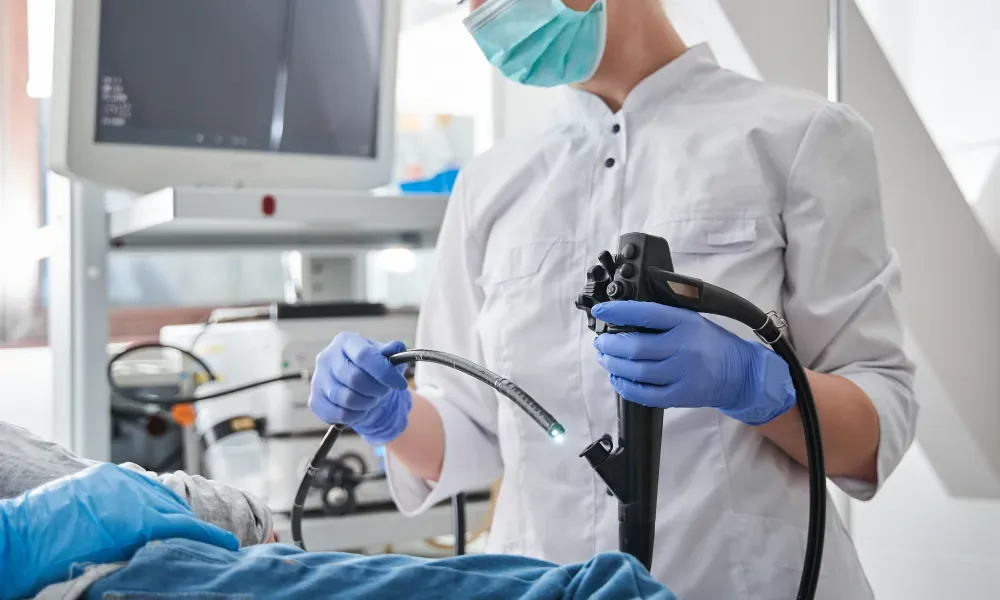
    Endoscopy has revolutionized modern medicine by allowing doctors to examine the inside of the body without making large incisions. This minimally invasive procedure involves inserting a flexible tube with a camera and light into the body to view internal organs and tissues in real-time.

    It is commonly used to explore the gastrointestinal (GI) tract, but its application extends to other systems as well. By providing a clear view and enabling tissue sampling, the endoscopic procedure plays a crucial role in diagnosing a wide range of health conditions.

    1. Gastroesophageal Reflux Disease (GERD)

    GERD is a chronic digestive disorder in which stomach acid frequently flows back into the esophagus, causing heartburn and irritation. When symptoms are persistent or resistant to treatment, an upper endoscopy is often performed to assess damage to the esophageal lining. This helps confirm the diagnosis and rule out more serious complications such as Barrett’s esophagus.

    2. Peptic Ulcers

    Peptic ulcers are open sores that develop on the lining of the stomach or upper small intestine. They are often caused by Helicobacter pylori infection or long-term use of nonsteroidal anti-inflammatory drugs (NSAIDs). Through endoscopy, doctors can directly visualize the ulcers, determine their severity, and take biopsies if needed.

    3. Celiac Disease

    Celiac disease is an autoimmune condition triggered by the ingestion of gluten. It damages the small intestine’s lining, leading to poor nutrient absorption. While blood tests can indicate the possibility of celiac disease, endoscopy with a small bowel biopsy is essential for a definitive diagnosis. This allows doctors to examine the villi and confirm intestinal damage.

    4. Esophageal Varices

    Esophageal varices are enlarged veins in the esophagus that can rupture and bleed, particularly in people with liver disease. Endoscopy is the primary method for detecting and monitoring these veins. If active bleeding is found, doctors can use endoscopic techniques like banding or sclerotherapy to control it immediately.

    5. Gastric Cancer

    Gastric (stomach) cancer often develops silently in its early stages. Symptoms like weight loss, fatigue, or gastric discomfort may prompt a doctor to order an upper endoscopy. This allows for direct visualization of suspicious areas and biopsy collection. Early detection significantly improves treatment outcomes.

    6. Inflammatory Bowel Disease (IBD)

    IBD includes Crohn’s disease and ulcerative colitis, both of which cause chronic inflammation of the digestive tract. Colonoscopy, a type of endoscopy that examines the colon, is the gold standard for diagnosing and monitoring these conditions. It helps identify inflammation, ulcers, and complications such as strictures or fistulas.

    7. Colon Polyps and Colorectal Cancer

    Colonoscopy is the most effective tool for detecting colon polyps, which are growths on the inner lining of the colon that can turn cancerous over time. By identifying and removing these polyps during the same procedure, endoscopy not only diagnoses but also prevents colorectal cancer. Regular screening is recommended starting at age 45 or earlier for high-risk individuals.

    8. Barrett’s Esophagus

    Barrett’s esophagus is a condition in which the tissue lining the esophagus changes, often due to chronic acid reflux. This condition increases the risk of developing esophageal cancer. An upper endoscopy is necessary to diagnose Barrett’s esophagus, and tissue samples are taken for further examination. Surveillance through periodic endoscopy is often recommended for those diagnosed.

    9. Upper GI Bleeding

    Unexplained bleeding in the upper digestive tract can lead to symptoms like vomiting blood or passing black stools. Endoscopy is a critical diagnostic tool in identifying the source of bleeding, such as ulcers, varices, or tumors. It also allows for immediate therapeutic intervention to stop the bleeding.

    10. Swallowing Disorders (Dysphagia)

    Difficulty swallowing may result from structural abnormalities or motility disorders. Endoscopy helps identify causes such as esophageal strictures, rings, webs, or tumors. It provides a clear view of the esophagus and allows for dilation or other treatments if necessary.

    The Diagnostic Power of Endoscopy

    Endoscopy stands out as a powerful tool in modern diagnostics. It allows for a combination of visual inspection, biopsy collection, and therapeutic intervention, all in a single procedure. While it’s most commonly associated with gastrointestinal issues, its applications also extend to the respiratory system, urinary tract, and joints.

    For patients, the benefits are clear: minimal recovery time, accurate diagnoses, and the potential to catch diseases early. Whether you’re dealing with persistent symptoms or undergoing routine screening, discussing the possibility of endoscopy with your healthcare provider can be a valuable step toward better health.

  • How to Spot Premium Peptides When Shopping Online in the USA

    How to Spot Premium Peptides When Shopping Online in the USA

    Buying peptides online in the USA can be both convenient and affordable, especially as their popularity continues to rise. However, to make sure you’re getting the highest quality and protecting yourself from unnecessary risks, it’s essential to choose the best place to buy peptides in the USA. This guide shares key tips to help you identify top-grade peptides, from checking purity and reviewing certificates of analysis to steering clear of counterfeit products.

    Verify Purity Levels

    Purity is one of the most important factors to consider when buying peptides. High-quality peptides typically have a purity rating of at least 98%. Anything lower could mean the product contains impurities that reduce its effectiveness and compromise safety. Trustworthy sellers will clearly display purity information on their product listings.

    How to check for purity:
    Look for detailed product descriptions that list exact purity percentages.
    Stay away from vendors who don’t provide purity details or use vague wording.
    Always request a certificate of analysis (CoA) to confirm the stated purity (more on this below).

    Understand Certificates of Analysis (CoA)

    A Certificate of Analysis is an official lab document that confirms the chemical composition and quality of a peptide batch. A reliable peptide supplier will always provide a CoA, as it serves as proof that the peptides meet strict quality standards.

    What to look for in a CoA:
    The document should come from an independent, third-party laboratory—not the seller themselves.
    It should include batch numbers, testing dates, and exact purity levels.
    Avoid products with outdated or missing CoAs, which suggest weak quality control.

    Red flags:
    Generic or suspicious-looking CoAs.
    Vendors who refuse to share CoAs or provide altered, incomplete copies.

    Research the Supplier’s Reputation

    Before purchasing from any online peptide supplier, it’s smart to research the company’s background. A few quick checks can help you determine whether they’re reliable and credible.

    Steps to verify a supplier’s credibility:
    Read online reviews and testimonials from verified buyers.
    Check if the website provides full contact details, including a phone number or physical address.
    Look into how long the company has been operating and whether they offer guarantees or returns.
    Prioritize suppliers with an established reputation in the peptide market.

    Avoid Counterfeit Products

    The U.S. peptide market unfortunately has its share of fake or low-quality products. Counterfeit peptides can be ineffective at best and dangerous at worst. Knowing how to spot them is crucial for your safety.

    How to avoid counterfeit peptides:
    Be wary of deals that are drastically cheaper than competitors’ prices.
    Buy only from recognized suppliers with a track record of authenticity.
    Check packaging quality—legit brands use tamper-proof seals, clear labeling, and batch numbers.

    Look for Third-Party Testing

    Reputable peptide vendors in the USA often use third-party labs to test their products. Independent lab results provide unbiased verification of a peptide’s quality and purity.

    Why third-party testing matters:
    It confirms the peptides meet industry standards.
    Labs check not only for purity but also for harmful contaminants like solvents or heavy metals.
    See if suppliers publish third-party lab results online or provide them upon request.

    Investigate the Shipping and Storage Conditions

    Peptides are sensitive compounds that require proper handling and storage. When buying online, you need to confirm how the supplier stores and ships their products to ensure they remain stable.

    What to look for:
    Suppliers should store peptides in cool, dark conditions, ideally refrigerated.
    Check whether insulated packaging or cold packs are used for shipping.
    Browse customer reviews for complaints about poor shipping practices or damaged orders.

    Compare Pricing with Care

    Price is an important factor, but it should never be the only one when buying peptides. Quality products typically cost more due to the rigorous testing and high purity levels involved.

    What to keep in mind:
    Compare prices across multiple vendors, but avoid those with unusually cheap options.
    Consider total value—purity, testing, and supplier reputation matter as much as cost.
    Be cautious of bulk discounts or promotions that lack quality guarantees.

    Avoid Unregulated Websites

    The U.S. peptide industry is subject to strict guidelines to protect consumers. Unregulated or shady websites can put you at risk of scams or unsafe products.

    How to spot unregulated websites:
    Look for licensing details or certifications clearly shown on the site.
    Ensure secure payment options and transparent terms and conditions are available.
    Avoid vendors selling exclusively on social media or unverified marketplaces.

    Conclusion

    Finding high-quality peptides online in the USA takes careful research and attention to detail. From verifying purity levels and reviewing certificates of analysis to checking supplier credibility and avoiding counterfeits, every step matters in protecting your health and investment. By following these guidelines, you’ll be better equipped to choose reputable peptide suppliers and confidently purchase products that deliver both safety and effectiveness.

  • Essential Skin Screenings Every Adult Should Schedule

    Essential Skin Screenings Every Adult Should Schedule

    Your skin is your body’s largest organ — and often the first to show signs of both internal health issues and external damage. Yet despite its visibility and importance, skin health is often overlooked in adult preventive care. While regular physicals and dental cleanings are a given for most, skin screenings tend to be an afterthought — until something goes wrong.

    Whether you’re concerned about sun exposure, suspicious moles, or simply want to stay on top of your health, routine skin evaluations can be life-saving. Early detection and proactive care are key to treating many common — and potentially serious — skin conditions.

    Here are the essential skin screenings every adult should schedule to keep their skin healthy, radiant, and protected for years to come.

    1. Annual Full-Body Skin Exam

    A full-body skin exam is one of the most critical screenings you can schedule — and it should become part of your annual wellness routine. During this exam, a board-certified dermatologist carefully examines your entire skin surface, from your scalp and face to your arms, back, legs, and even areas like the soles of your feet and under your nails.

    Why it matters:
    Skin cancer is the most common cancer in the United States, and early detection dramatically increases the chances of successful treatment. A full-body screening can help identify:

    • Basal cell carcinoma (slow-growing but locally invasive)
    • Squamous cell carcinoma (can spread if untreated)
    • Melanoma (the deadliest form of skin cancer)
    • Precancerous lesions such as actinic keratoses

    Even if you don’t spend much time in the sun or have a darker skin tone, you’re still at risk. A yearly visit to a dermatology clinic ensures that anything unusual is caught early — often before you even notice it.

    2. Mole Mapping and Monitoring

    Moles are common, but some can develop into melanoma over time. If you have many moles, large moles, or a personal/family history of skin cancer, mole mapping is an essential service. This involves high-resolution photographs of your skin and moles taken at regular intervals to detect subtle changes over time.

    Why it matters:
    Changes in shape, size, color, or border — even if they’re slight — could be early warning signs of melanoma. Automated mole mapping helps dermatologists track these changes objectively and catch potential problems early.

    Who should consider it:

    • Anyone with more than 50 moles
    • Individuals with atypical (dysplastic) nevi
    • Those with a personal or family history of melanoma

    3. Skin Checks for Acne, Rosacea, and Chronic Conditions

    If you’ve struggled with acne, rosacea, eczema, or psoriasis for years, it may be time for a comprehensive dermatological evaluation. These conditions often evolve with age and can be aggravated by stress, hormones, diet, and environmental factors. An annual or biannual check-up helps ensure your treatment plan is still effective — or allows for adjustment as needed.

    Why it matters:
    Chronic skin conditions can lead to long-term inflammation, discomfort, and even scarring if not managed properly. A skin check isn’t just about treatment — it’s also a chance to get ahead of flare-ups and improve your overall quality of life.

    4. Screenings for Nail and Scalp Health

    The health of your nails and scalp can reflect what’s going on inside your body. Fungal infections, nail discoloration, ridging, or hair thinning may signal underlying conditions that warrant further evaluation.

    Why it matters:

    • Hair loss can be a symptom of hormonal imbalance, autoimmune disease, or nutritional deficiency.
    • Nail abnormalities could indicate psoriasis, thyroid problems, or even diabetes.

    A thorough screening can help identify the root cause — and offer targeted treatment before symptoms worsen.

    5. Cosmetic Consultations with a Medical Lens

    Cosmetic concerns like age spots, fine lines, and hyperpigmentation may seem purely aesthetic, but they can sometimes point to deeper skin health issues. For example, what appears to be sun damage may be an early actinic keratosis. A qualified dermatologist can differentiate between benign cosmetic issues and those that warrant closer examination.

    Why it matters:
    Cosmetic consultations provide an opportunity to detect early signs of sun damage or skin aging that could progress into more serious concerns. Many cosmetic procedures — like chemical peels or laser therapy — also carry medical benefits, such as improving acne scarring or boosting collagen production.

    Bonus Self-Screening Between Visits

    While regular professional screenings are crucial, self-monitoring is equally important. Perform a monthly skin self-check using the ABCDE method for moles:

    • Asymmetry
    • Border irregularity
    • Color variation
    • Diameter larger than a pencil eraser
    • Evolving over time

    Use a mirror or ask a loved one to help with hard-to-see areas. Take note of any new growths, changes, or areas that bleed, itch, or don’t heal properly.

    Your skin is constantly exposed to the elements, yet it’s one of the most neglected parts of preventive health care. Regular screenings can catch conditions early, reduce complications, and even save lives — all while helping you feel more confident and comfortable in your own skin.

    By partnering with a trusted local dermatology clinic, you’ll gain access to expert insight, personalized care, and peace of mind. Whether it’s an annual skin check or targeted treatments for long-standing concerns, your skin deserves the same attention you give the rest of your health.

    Make these screenings a priority — your future self will thank you.

  • Understanding Your Options: Private Termination of Pregnancy in London!

    Understanding Your Options: Private Termination of Pregnancy in London!

    Making decisions about reproductive health is never easy. When it comes to terminating a pregnancy, many women feel overwhelmed by the mix of emotions, logistics, and, often, a lack of clear, compassionate information. For those seeking care that’s confidential, respectful, and timely, a private clinic for termination of pregnancy can offer exactly what’s needed.

    In a city as vast as London, access to healthcare is rarely about availability — it’s about quality, comfort, and choice. And when it comes to deeply personal matters like abortion, having the right environment makes all the difference.

    Why Some Women Choose Private Care

    While NHS services are available for pregnancy termination, many women choose to visit a private termination of pregnancy clinic for reasons that go beyond medical access:

      • Faster appointments with minimal waiting time
      • Greater privacy and discretion
      • Continuity of care with one dedicated consultant
    • A calm, non-clinical setting
    • More time for discussion and support

    Choosing a private gynaecologist in London also means receiving care from someone who specializes in women’s health — not just for one procedure but across your full journey, whether it’s related to fertility, contraception, or general well-being.

    What to Expect from a Private Abortion Clinic in London

    If you’re considering a private clinic for termination of pregnancy, it helps to know what to expect. Reputable abortion clinics in London typically offer:

    • Consultation and medical assessment to determine your options
    • Medical or surgical termination depending on gestation and personal preference
    • Emotional support and counseling before and after the procedure
    • Follow-up care to ensure recovery is smooth and complete

    Your privacy is respected at every step. Staff are trained not just in procedures but in supporting patients during what is often a very difficult time.

    Types of Termination: Medical and Surgical

    There are two primary options for abortion, both safe and widely used depending on your stage of pregnancy:

    Medical termination involves taking prescribed tablets to end the pregnancy. It’s generally available up to 10 weeks gestation and can be managed either in a clinic or at home, depending on your medical history and comfort.

    Surgical termination is a minor procedure typically offered after 10 weeks or in cases where medical termination isn’t suitable. It’s quick, effective, and done under sedation or local anesthesia.

    Your private clinic will help guide you to the safest and most appropriate option for your situation.

    The Importance of Non-Judgmental Support

    Unfortunately, stigma still surrounds abortion in many circles — which makes a supportive, non-judgmental environment all the more important. The best abortion services in London are those where patients feel respected, informed, and in control of their choices.

    Whether it’s your first time making this decision or something you’ve faced before, you deserve a space where you can ask questions, explore your options, and be heard without judgment.

    Choosing the Right Private Gynaecologist

    A private gynaecologist in London can offer continuity far beyond a one-time procedure. From contraception guidance to fertility support and ongoing wellness checks, many women find comfort in building a long-term relationship with a specialist who understands their medical history and health goals.

    In the case of pregnancy termination, this continuity ensures that care is never rushed or disconnected — it’s consistent, thoughtful, and personalized.

    Your Health, Your Choice

    No one should feel rushed, ignored, or judged when making decisions about their body. And no woman should have to wait weeks or navigate confusing systems to access something as fundamental as reproductive care.

    A private termination of pregnancy clinic gives you time, space, and support — not just a procedure. It’s about restoring an agency at a time when you may feel vulnerable, confused, or emotionally drained.

    Whatever your reasons, they are yours. And they are valid.

    If you are looking for compassionate, confidential, and professional abortion services in London, Well Women Clinic offers expert care in a safe and private setting. Our experienced specialists are dedicated to supporting your health and your right to choose at every step of the way.

  • Misconceptions About General Home Care Services

    Misconceptions About General Home Care Services

    When it comes to caring for an aging loved one, many families face tough decisions about how to provide the right level of support. For those who want their loved ones to remain safe, comfortable, and independent at home, general home care services are often a perfect solution. Yet despite their growing popularity, these services are still widely misunderstood.

    Misinformation and outdated assumptions can prevent seniors and families from getting the help they need—help that can drastically improve quality of life. Let’s take a closer look at five common misconceptions about general home care services and set the record straight.

    1. “Home care is only for people who are very sick or bedridden.”

    This is one of the most pervasive myths about home care. Many people believe it’s only necessary for those who are terminally ill or unable to get out of bed. In reality, general home care is designed to support a wide range of daily needs—not just medical issues.

    Non-medical home care focuses on assistance with everyday activities like meal preparation, light housekeeping, medication reminders, errands, and companionship. It’s meant for seniors who may not need a nurse or medical supervision but could use a helping hand with day-to-day living.

    This kind of support can make all the difference for someone who is mostly independent but starting to need occasional assistance. It also helps delay or even avoid the need for more intensive care options, such as assisted living or nursing homes.

    2. “Only wealthy families can afford home care.”

    Many families assume that home care is out of reach financially—but this isn’t always the case. While costs can vary based on the level of care and the number of hours needed, general home care is often more affordable than institutional alternatives.

    Unlike full-time residential care facilities, home care services can be customized to fit both the client’s needs and budget. Whether a family needs just a few hours of help per week or daily support, care plans are flexible and scalable.

    Additionally, some long-term care insurance plans, veterans’ benefits, and state programs may help offset the cost of services. It’s worth exploring these options before assuming home care isn’t financially viable.

    3. “Family members should be able to handle caregiving without outside help.”

    Family caregiving is a labor of love—but it can also be physically, mentally, and emotionally draining. Many adult children feel guilty for seeking outside help, believing they should be able to manage everything themselves.

    However, caregiving is a demanding responsibility, especially when balanced with work, children, and other commitments. Relying solely on family can lead to burnout, resentment, and strained relationships.

    Bringing in professional caregivers through senior general home care services doesn’t mean you’re abandoning your role—it means you’re strengthening it. With the right support, family caregivers can focus on quality time, rather than being overwhelmed by day-to-day tasks.

    4. “All caregivers provide the same level of service.”

    Not all home care providers are created equal. There’s a big difference between hiring a private aide from a classified ad and working with a reputable agency.

    Professional caregivers are trained in safety protocols, communication, and how to handle various needs common in aging populations. They’re also typically insured, background-checked, and supervised. This level of accountability ensures a higher quality of care and greater peace of mind for families.

    Agencies also tend to offer caregiver matching, backup coverage in case of illness, and personalized care plans—services that go far beyond what informal arrangements can provide.

    5. “My loved one won’t accept help from a stranger.”

    It’s true that some seniors are initially resistant to the idea of having someone come into their home to help. They may fear losing their independence, feel embarrassed about needing assistance, or simply be set in their routines.

    But time and again, families report that once the caregiver-client relationship is established, attitudes shift. The key is starting with a gentle introduction and being transparent about how the support will improve—not diminish—the senior’s independence.

    Many seniors come to appreciate the companionship, consistency, and freedom that home care brings. Over time, a trusted caregiver can become a valued part of their daily life.

    General home care isn’t just for the critically ill, and it isn’t only for the wealthy. It’s a flexible, compassionate service designed to help seniors live more comfortably and safely in their own homes. Unfortunately, outdated ideas and misunderstandings often keep people from seeking help that could greatly enhance their well-being.

    By separating fact from fiction, families can make better, more informed choices—and give their aging loved ones the dignified, supported lifestyle they deserve. If you’ve been on the fence, it might be time to explore how senior general home care can work for you or someone you love.

  • Recognizing Early Signs of Brain Damage

    Recognizing Early Signs of Brain Damage

    It’s super important to catch brain damage early in infants because, well, the sooner you know, the sooner you can do something about it. Spotting the signs isn’t always easy, but there are a few things to watch out for. It’s not about being paranoid, but just being aware.

    Unusual Muscle Tone

    One thing doctors look for is unusual muscle tone. This can show up in a couple of ways. Sometimes, a baby might seem really stiff, like their muscles are always tense. Other times, they might be super floppy, almost like a rag doll. Neither of these is necessarily a sign of brain damage on its own, but it’s something to keep an eye on, especially if it’s consistent. It’s more about the extremes – consistently too stiff or too floppy – that raise a red flag. Things to consider:

    • Is the baby’s movement restricted?
    • Does the baby resist being held or positioned?
    • Is there a noticeable difference between one side of the body and the other?

    Lack of Response to Stimuli

    Babies are usually pretty curious, right? They react to sounds, lights, and touch. But if a baby isn’t responding to these things like you’d expect, it could be a sign of something going on. I mean, every baby has their off days, but if they consistently don’t react to stimuli, it’s worth checking out. For example:

    • Not startling at loud noises.
    • Not following moving objects with their eyes.
    • Showing no reaction to being touched or picked up.

    Delayed Developmental Milestones

    Okay, so every baby develops at their own pace, and there’s a pretty wide range of what’s considered “normal.” But if a baby is consistently behind on hitting those developmental milestones, it could be a sign of brain damage. We’re talking about things like:

    1. Not rolling over by six months.
    2. Not sitting up by nine months.
    3. Not babbling or making sounds by 12 months.

    Again, one delayed milestone isn’t necessarily a cause for panic, but a pattern of delays should definitely be discussed with a doctor.

    Behavioral Indicators of Brain Injury

    Behavioral changes can be subtle but significant indicators of brain injury in infants. It’s not always obvious, but paying attention to how a baby acts can give clues about their health. Sometimes, it’s just a phase, but other times, it’s something more serious.

    Excessive Irritability

    One common sign is excessive irritability. A baby who is constantly fussy, cries inconsolably for extended periods, or is easily agitated might be experiencing discomfort related to a brain injury. It’s more than just a bad day; it’s a persistent pattern. This irritability often seems out of proportion to the situation. Think about it: is the baby always upset, even when they’re fed, changed, and rested?

    Difficulty Feeding

    Feeding difficulties can also point to potential problems. This isn’t just about being a picky eater. It’s about a real struggle to eat.

    Here are some things to watch for:

    • Poor sucking or swallowing
    • Frequent gagging or choking
    • Refusal to feed or take a bottle
    • Taking a very long time to feed

    These issues can stem from neurological problems affecting the muscles and coordination needed for feeding. If you notice these, it’s worth talking to a doctor.

    Sleep Disturbances

    Sleep patterns can also change after a brain injury. Some babies may sleep excessively, while others experience significant difficulty falling or staying asleep. Disrupted sleep cycles can be a sign that the brain isn’t regulating itself properly. It’s not just about being tired; it’s about a fundamental change in how the baby sleeps. For example, a baby who used to sleep through the night suddenly wakes up every hour, or a baby who was always active now sleeps almost all day. These changes warrant attention, especially if they occur alongside other symptoms. Remember that Shaken Baby Syndrome can manifest through various symptoms.

    Physical Symptoms to Monitor

    It’s important to keep an eye out for certain physical signs that could indicate a problem. Sometimes, these symptoms are subtle, but they can be significant clues about a child’s health. Paying close attention to these physical manifestations is key for early detection and intervention.

    Seizures

    Seizures in infants can be alarming and take different forms. They might involve convulsions, where the baby’s body stiffens and jerks. Or, they could be more subtle, like a brief staring spell or unusual movements. If a parent suspects their child is having seizures, it’s important to record the events and seek medical attention right away. Early intervention can help manage the seizures and minimize potential long-term effects. It’s also important to understand that not all seizures indicate brain damage, but they always warrant a thorough evaluation. If you suspect your child has cerebral palsy, seek medical advice.

    Abnormal Eye Movements

    Unusual eye movements can also be a sign of underlying issues. This could include:

    • Nystagmus, which involves repetitive, uncontrolled eye movements.
    • Strabismus, where the eyes don’t align properly (crossed eyes or walleye).
    • Difficulty tracking objects with their eyes.

    These issues can affect a child’s vision and development. A pediatric ophthalmologist can assess these problems and recommend appropriate treatment, such as glasses, vision therapy, or surgery.

    Facial Asymmetry

    Facial asymmetry refers to noticeable differences between the two sides of the face. This might involve:

    • Uneven smile.
    • Drooping of one side of the face.
    • Difficulty with facial expressions on one side.

    While some degree of asymmetry is normal, significant differences could indicate nerve damage or other underlying conditions. A medical professional can evaluate the cause of the asymmetry and determine the best course of action. Sometimes, it’s a temporary issue, but it’s always best to get it checked out.

    Cognitive and Sensory Impairments

    Poor Visual Tracking

    Infants develop visual tracking skills gradually. If a baby struggles to follow moving objects with their eyes, it could be an early sign of a problem. Consistent difficulty in this area warrants further investigation. It’s not just about seeing; it’s about the brain’s ability to process what the eyes are seeing and coordinate movement. Sometimes, it’s subtle, like they can track to one side but not the other. Other times, it’s more obvious, and they just can’t seem to focus on anything that moves. It’s worth keeping an eye on, especially if there are other concerns.

    Hearing Difficulties

    Hearing is super important for a baby’s development. If a baby doesn’t react to sounds, or if they seem slow to startle at loud noises, it could mean they have a hearing problem. It’s not always obvious, though. Sometimes, they might react to some sounds but not others. Here are some things to watch out for:

    • No reaction to your voice.
    • Not turning towards sounds.
    • Delayed speech development.

    If you’re worried, it’s always best to get their hearing checked out by a professional. Early detection is key for helping them develop properly.

    Cognitive Delays

    Cognitive delays can show up in different ways. It might be that the baby isn’t reaching milestones at the expected times. For example, they might not be babbling, sitting up, or reaching for toys when other babies their age are. It’s important to remember that all babies develop at their own pace, but if there are significant delays, it’s worth talking to a doctor. Here are some things that might indicate a cognitive delay:

    • Slow to learn new things.
    • Difficulty with problem-solving.
    • Limited social interaction.

    Importance of Early Diagnosis

    Impact on Long-Term Development

    Early diagnosis of brain damage in infants is super important because it can really change how things go later on. The brain develops so fast in the first few years, so catching problems early means doctors can start treatments and therapies sooner. This can help minimize the long-term effects of the injury. If you wait too long, some developmental delays might become permanent, and it’s harder to catch up. It’s like, if you see a plant isn’t growing right, you want to fix it before it’s too late, right?

    Role of Pediatric Assessments

    Pediatric assessments are key in spotting potential brain damage. Regular check-ups with a pediatrician involve looking at a baby’s reflexes, muscle tone, and how they’re meeting developmental milestones. These assessments aren’t just about checking off boxes; they’re about getting a full picture of the baby’s health. Pediatricians are trained to notice subtle signs that might indicate a problem, and they can order more tests or refer the baby to specialists if needed. It’s a team effort to make sure everything is on track.

    Benefits of Early Intervention

    Early intervention programs can make a huge difference for babies with brain damage. These programs usually include:

    • Physical therapy to help with movement and coordination.
    • Speech therapy to assist with communication skills.
    • Occupational therapy to improve daily living skills.

    Starting these therapies early can help the baby learn new ways to do things and develop skills that might otherwise be affected by the brain injury. It’s all about giving them the best possible start in life. Plus, it gives parents the support and resources they need to help their child thrive.

    Parental Observations and Concerns

    Tracking Developmental Changes

    Parents are often the first to notice subtle deviations in their infant’s development. Consistent monitoring of milestones, such as rolling over, sitting up, and babbling, is important. It’s not about being anxious, but about being informed. Keep an eye out for:

    • Delays in reaching expected milestones.
    • Regression of previously acquired skills.
    • Asymmetrical movements or preferences for one side of the body.

    Communicating with Healthcare Providers

    Open and honest communication with healthcare providers is key. Parents should promptly report any concerns or observations, no matter how minor they may seem. Don’t hesitate to bring up anything that feels “off” during routine check-ups. Remember, doctors can only help if they have all the information. Be prepared to discuss:

    • Specific symptoms and when they were first noticed.
    • Any changes in the infant’s behavior or physical abilities.
    • Family history of neurological or developmental conditions.

    Documenting Symptoms

    Keeping a detailed record of symptoms can be incredibly helpful for healthcare professionals. This documentation can provide a clearer picture of the infant’s condition over time. Consider including:

    • Dates and times of symptom occurrence.
    • Descriptions of the symptoms (e.g., type of movement, duration of crying).
    • Any factors that seem to trigger or alleviate the symptoms.

    Next Steps After Identifying Symptoms

    So, you’ve noticed some things and you’re worried about infant brain damage symptoms. What happens next? It’s a stressful time, but there are clear steps to take. Don’t panic; knowledge is power, and action is key.

    Seeking Professional Evaluation

    First things first: get a professional opinion. Schedule an appointment with a pediatrician or a pediatric neurologist. Don’t rely on Dr. Google or random internet forums. A real doctor can assess the situation properly. Be prepared to share all your observations, even the small stuff. They’ll likely conduct a thorough neurological exam and may order imaging tests like an MRI or CT scan. It’s scary, but these tests can provide vital information. Remember to bring any notes or videos you’ve taken of the symptoms. The more information you can provide, the better.

    Understanding Treatment Options

    Okay, you’ve got a diagnosis. Now what? Treatment options vary widely depending on the type and severity of the brain damage. There’s no one-size-fits-all approach. It could involve:

    • Physical therapy to improve motor skills.
    • Occupational therapy to help with daily living activities.
    • Speech therapy to address communication issues.
    • Medications to manage seizures or other symptoms.
    • In some cases, surgery might be necessary.

    Don’t be afraid to ask questions. Lots of them. Understand the risks and benefits of each treatment. Get a second opinion if you’re not comfortable with the initial recommendations. It’s your right to be fully informed.

    Accessing Support Services

    Dealing with infant brain damage is tough, not just on the child, but on the whole family. You don’t have to go it alone. There are tons of support services available. Look into:

    • Support groups for parents of children with brain injuries. Sharing experiences with others who understand can be incredibly helpful.
    • Financial assistance programs to help cover medical expenses.
    • Respite care services to give you a break from caregiving.
    • Educational resources to learn more about brain damage and how to best support your child.

    Remember, taking care of yourself is just as important as taking care of your child. Don’t hesitate to reach out for help when you need it. It’s a marathon, not a sprint.

  • Fundamentals of Trauma Counseling

    Fundamentals of Trauma Counseling

    Defining Trauma and Its Impact

    Trauma is a powerful emotional response to distressing or disturbing events that can deeply affect an individual’s mental and emotional well-being. It might be triggered by various incidents such as accidents, natural disasters, or personal assaults. These experiences can leave lasting scars, influencing how one perceives and interacts with the world. The impact of trauma is profound, often resulting in feelings of fear, anxiety, and helplessness. The emotional turmoil can disrupt daily life and relationships, making it challenging for individuals to function effectively.

    The Role of a Trauma Counselor

    A trauma counselor plays a pivotal role in guiding individuals through their healing journey. They provide a safe and supportive environment where clients can explore their emotions and experiences without fear of judgment. The counselor’s primary goal is to help clients process their trauma, understand their emotional responses, and develop coping mechanisms to manage their symptoms. By building a trusting relationship, counselors enable individuals to regain a sense of control over their lives and work towards emotional recovery. This process often involves helping clients connect the dots between past trauma and present struggles, empowering them to make informed choices about their healing path.

    Key Principles of Trauma Counseling

    Trauma counseling is grounded in several key principles that guide the therapeutic process. One of the main principles is creating a sense of safety and trust, which is essential for effective healing. Counselors strive to build a strong therapeutic alliance, ensuring clients feel secure and supported. Another important principle is the use of a trauma-informed approach, which involves understanding the impact of trauma on individuals and promoting practices that foster empowerment and healing. This approach emphasizes the importance of recognizing trauma’s effects and tailoring interventions to meet each client’s unique needs. By adhering to these principles, trauma counselors can facilitate a healing environment where individuals feel heard, validated, and empowered to embark on their journey towards recovery.

    The Healing Process in Trauma Counseling

    Stages of Emotional Recovery

    In trauma counseling, emotional recovery unfolds in stages, each crucial to healing. Initially, individuals may grapple with overwhelming emotions and confusion. As they progress, these feelings begin to untangle, allowing them to process their experiences more clearly. This stage often involves acknowledging the trauma’s impact, a significant step towards healing. Over time, individuals start to regain control over their emotions, finding a sense of balance and stability. Evoke Wellness underscores the importance of this gradual process, emphasizing patience and persistence.

    Facilitating Emotional Processing

    Emotional processing is at the heart of trauma counseling. It involves delving into the emotions tied to traumatic experiences, such as fear, anger, or sadness. Counselors provide a supportive environment where individuals can explore these feelings safely. This exploration helps in reducing the emotional burden, allowing individuals to move forward with a lighter heart. Techniques like cognitive restructuring and mindfulness can aid in this process, helping individuals reshape their emotional responses.

    Encouraging Self-Awareness and Growth

    Self-awareness is a powerful tool in trauma counseling. By understanding how trauma affects their thoughts and behaviors, individuals can begin to make conscious changes. This awareness fosters personal growth, enabling them to develop healthier coping mechanisms and improve their overall well-being. As individuals become more attuned to their emotions and reactions, they can navigate life’s challenges with greater resilience. Evoke Wellness highlights the transformative power of self-awareness in fostering long-term healing and growth.

    Types of Trauma Counseling Techniques

    Cognitive Behavioral Therapy (CBT)

    Cognitive Behavioral Therapy, often referred to as CBT, is a widely used method in trauma counseling. It revolves around identifying and altering negative thought patterns and behaviors. When it comes to trauma, CBT helps individuals recognize and challenge thoughts that may be contributing to feelings of guilt or shame. By changing these thought patterns, individuals can lessen the emotional impact of their trauma and improve their overall well-being. This approach is structured and goal-oriented, making it a practical choice for many dealing with trauma.

    Eye Movement Desensitization and Reprocessing (EMDR)

    Eye Movement Desensitization and Reprocessing, or EMDR, is another effective technique used in trauma therapy. This method involves the use of bilateral stimulation, such as guided eye movements, which helps individuals process traumatic memories. The alternating stimulation between the left and right sides of the body can reduce the emotional intensity of these memories. This allows individuals to work through their trauma in a way that feels manageable and less overwhelming, paving the way for healing.

    Mindfulness-Based Therapy

    Mindfulness-Based Therapy is increasingly popular in trauma counseling. This technique emphasizes present-moment awareness and non-judgmental acceptance. For trauma survivors, mindfulness practices, including meditation and breathing exercises, can be instrumental in managing symptoms related to stress and anxiety. By focusing on the present, individuals can become more grounded and reduce the impact of trauma-related symptoms. This approach not only aids in emotional regulation but also promotes greater self-awareness and inner peace.

    For those exploring various trauma therapy techniques, including CBT and EMDR, understanding these methods can be crucial in finding effective ways to heal and transform trauma.

    Benefits of Trauma Counseling for Emotional Healing

    Identification and Processing of Emotions

    Trauma counseling plays a vital role in helping individuals identify and process the complex emotions that arise from traumatic experiences. Many people find themselves overwhelmed by feelings of fear, anger, or guilt after a traumatic event. Through trauma therapy, they can work with a therapist to understand these emotions better and develop strategies to manage them. This process not only aids in emotional recovery but also helps in building a healthier relationship with oneself.

    Development of Coping Skills

    Another significant benefit of trauma counseling is the development of coping skills. Traumatic experiences often leave individuals struggling to handle stress and adversity. In therapy, individuals learn various techniques, such as relaxation exercises and self-care practices, to manage their emotions more effectively. These skills empower them to face life’s challenges with greater confidence and resilience.

    Improvement in Relationships

    Trauma can severely impact a person’s ability to maintain healthy relationships. Feelings of isolation and mistrust can create barriers between individuals and their loved ones. Trauma counseling provides a safe space to work on communication skills and rebuild trust. As individuals learn to set healthy boundaries and express themselves more clearly, their relationships often improve, leading to stronger and more supportive connections with others.

    Creating a Safe and Supportive Environment in Counseling

    Establishing Trust and Safety

    In the realm of trauma counseling, creating a safe and supportive environment is paramount. A counselor’s primary task is to establish a space where individuals feel secure and free from judgment. This involves not only physical safety but also emotional security, allowing clients to express their deepest fears and experiences. Trust is built through consistent, empathetic, and confidential interactions, where clients are assured that their stories will remain private. This trust forms the foundation of the therapeutic relationship, enabling clients to explore their trauma without fear of retribution or misunderstanding.

    Providing Non-Judgmental Support

    A critical component of trauma counseling is offering support that is free from judgment. Counselors must approach each session with an open mind, acknowledging the unique experiences and perspectives of each individual. This non-judgmental stance encourages clients to share their thoughts and feelings openly, fostering a therapeutic environment that promotes healing. By validating their clients’ emotions and experiences, counselors help individuals feel understood and accepted, which is crucial for emotional recovery.

    Fostering a Healing Space

    Creating a healing space involves more than just the physical setting; it encompasses the emotional and psychological atmosphere cultivated by the counselor. This space should be one where clients feel empowered to explore their emotions and begin the healing process. Counselors facilitate this by being attentive, compassionate, and responsive to the needs of their clients. They encourage self-exploration and personal growth, helping individuals to rebuild their lives and regain a sense of control. For teens in therapy, this supportive environment can be mirrored at home, where parents play a vital role in reinforcing the therapeutic process by providing a safe space for expression and open communication.

    The Role of Trauma Counseling in Reducing Symptoms

    Managing Anxiety and Depression

    Trauma counseling plays a crucial role in managing symptoms of anxiety and depression that often accompany traumatic experiences. When individuals undergo trauma, their mental health can be significantly impacted, leading to persistent feelings of fear, sadness, and hopelessness. Through therapy, individuals learn techniques to cope with these overwhelming emotions. Therapists at Harmony Ridge work closely with clients to develop personalized strategies that help in alleviating anxiety and depression, promoting a sense of stability and peace. By addressing these mental health challenges, trauma counseling supports individuals in regaining control over their lives.

    Addressing Flashbacks and Nightmares

    Flashbacks and nightmares are common symptoms for those who have experienced trauma, often causing distress and disrupting daily life. Trauma counseling provides a safe environment where individuals can confront these distressing memories. Techniques such as cognitive restructuring and exposure therapy are used to gradually desensitize individuals to their traumatic memories. This process helps in reducing the frequency and intensity of flashbacks and nightmares, allowing individuals to sleep better and feel more at ease during the day.

    Improving Overall Well-Being

    Beyond managing specific symptoms, trauma counseling aims to enhance overall well-being. The process involves not only addressing the immediate effects of trauma but also fostering long-term emotional health. By helping individuals process their experiences and emotions, trauma counseling encourages personal growth and resilience. This holistic approach ensures that individuals not only recover from their trauma but also build a foundation for a healthier and more fulfilling life. Harmony Ridge emphasizes this comprehensive healing process, supporting clients in their journey towards improved mental and emotional well-being.

    Holistic Approaches in Trauma Counseling

    Integration of Therapeutic Modalities

    Holistic approaches to trauma counseling emphasize the importance of blending various therapeutic methods to address the complex needs of individuals. This means using different techniques like cognitive-behavioral therapy (CBT), mindfulness practices, and trauma-focused therapies to create a personalized healing plan. Each method contributes uniquely to the recovery process, helping individuals tackle emotional, psychological, and even physical challenges. By integrating these modalities, counselors can offer a holistic approach to trauma healing, ensuring that every aspect of a person’s well-being is considered.

    Comprehensive Well-Being Focus

    In trauma counseling, the focus isn’t just on the trauma itself but on the person’s overall well-being. This comprehensive approach recognizes that healing involves more than just addressing symptoms; it includes restoring a sense of purpose and connection in life. Counselors work with individuals to help them find fulfillment and balance in various areas of their lives, beyond the immediate impacts of trauma. This broader perspective ensures that individuals can rebuild their lives in a way that feels meaningful and complete.

    Empowering Self-Discovery

    A critical part of holistic trauma counseling is encouraging individuals to engage in self-discovery. Through this process, individuals explore different facets of their lives and experiences, learning to identify triggers, strengths, and resources. This self-awareness empowers them to take an active role in their healing journey, fostering a sense of control and agency. By understanding themselves better, individuals can navigate their way toward a more balanced and fulfilling life.

    The Importance of Seeking Trauma Counseling

    Recognizing the Need for Help

    Trauma can be a silent burden, often manifesting in unexpected ways. People might not even realize how deeply past events affect them until they notice changes in their mood or behavior. Recognizing the need for help is the first step toward healing. Acknowledging that professional support is necessary can open the door to recovery and personal growth. It’s important to understand that seeking help is not a sign of weakness but a courageous step toward regaining control over one’s life.

    Overcoming Stigma and Barriers

    Despite the benefits, many people hesitate to seek trauma counseling due to stigma or misconceptions about therapy. This hesitation can be a significant barrier to healing. However, with increasing awareness and advocacy, more individuals are understanding the importance of mental health care. Institutions like Serenity at Summit are working to change perceptions, making it easier for those in need to access essential services without judgment. By overcoming these barriers, individuals can begin to heal and move forward.

    Accessing Professional Support

    Accessing the right support can make all the difference in the healing journey. Professional trauma counselors are trained to provide the tools and strategies needed to process and overcome traumatic experiences. They offer a safe space where individuals can explore their emotions and work through their traumaSeeking professional help is a proactive step in managing the effects of trauma and building a healthier future.

    The Expertise of Trauma Therapists

    Specialized Training and Knowledge

    Trauma therapists are not just any counselors; they have specialized training that allows them to understand the complexities of trauma. This training involves learning about different trauma-related disorders and how they affect the mind and body. They are skilled in various therapeutic techniques, which enables them to provide tailored approaches for each individual’s needs. This expertise ensures that clients receive care that is both effective and compassionate. Trauma therapists know the importance of creating a safe and supportive environment, which is critical for healing.

    Tailored Treatment Approaches

    Every trauma survivor has a unique story, and trauma therapists are adept at crafting treatment plans that address these individual experiences. They use evidence-based methods like Cognitive Behavioral Therapy (CBT) and Eye Movement Desensitization and Reprocessing (EMDR) to help clients process their trauma. These techniques are not one-size-fits-all; instead, they are adapted to fit the personal journey of each client. By doing so, therapists help individuals regain control over their lives and emotions, fostering a sense of empowerment and resilience.

    The Power of a Trauma Therapist

    The impact of a trauma therapist goes beyond just clinical interventions. They offer a compassionate presence that helps clients feel understood and supported. This relationship is fundamental in trauma-informed therapy, which emphasizes resilience through emotional support and coping skills. The power of a trauma therapist lies in their ability to guide clients through the healing process, helping them to not only recover from their past experiences but also to grow from them. Through therapy, individuals can find new strengths and perspectives, ultimately leading to a more fulfilling and balanced life.

    Trauma Counseling and Personal Growth

    Building Resilience and Strength

    The journey through trauma counseling isn’t just about healing; it’s also about building resilience. When individuals engage in trauma counseling, they often find themselves developing a newfound strength. This strength isn’t merely about enduring hardship but about learning to thrive despite it. The Addiction Rehab Group often emphasizes the importance of resilience, helping individuals to not only cope with their past but to prepare for future challenges with a fortified mindset. This process involves understanding one’s limitations and capabilities, which can lead to a more empowered and resilient self.

    Enhancing Emotional Intelligence

    Trauma counseling plays a significant role in enhancing emotional intelligence. This involves recognizing, understanding, and managing one’s emotions, as well as empathizing with others. Through therapy, individuals learn to identify their emotional responses and the triggers behind them. This self-awareness is crucial in developing emotional intelligence. Counselors from organizations like The Addiction Rehab Group guide individuals in exploring their emotional landscapes, enabling them to respond to situations with greater emotional maturity and insight.

    Promoting Long-Term Healing

    The ultimate goal of trauma counseling is to promote long-term healing. This isn’t just about addressing immediate symptoms but fostering an environment where individuals can achieve sustained emotional well-being. The Addiction Rehab Group focuses on equipping individuals with the tools necessary for long-term healing, such as coping strategies and self-reflection techniques. By doing so, individuals are not only able to heal from their past traumas but also to maintain their emotional health in the future, leading to a more balanced and fulfilling life.

    How Trauma Counseling Differs from Other Therapies

    Focus on Safety and Trust

    Trauma counseling is distinct from other forms of therapy primarily due to its emphasis on creating a secure and trusting environment. This focus on safety is crucial because individuals who have experienced trauma often grapple with feelings of fear and mistrust. The counselor’s role is to establish a space where clients feel protected and understood, allowing them to explore their traumatic experiences without fear of judgment or harm. This safe setting is foundational for the healing process, enabling individuals to gradually confront and process their trauma.

    Specialized Techniques and Approaches

    Another distinguishing feature of trauma counseling is its use of specialized techniques tailored to the unique needs of trauma survivors. Techniques such as Trauma-focused cognitive behavioral therapy (CBT) are employed to address the specific psychological impacts of trauma. Unlike general therapy, which might use broader methods, trauma counseling incorporates approaches like exposure therapy, cognitive restructuring, and EMDR to help clients process and integrate traumatic memories. These methods are designed to reduce the emotional intensity of trauma-related memories, facilitating emotional recovery.

    Unique Needs of Trauma Survivors

    Trauma counseling also stands apart in its focus on the unique needs of trauma survivors. Therapists in this field are trained to understand the complexities of trauma and its varied effects on individuals. They tailor their therapeutic approaches to accommodate these needs, recognizing that trauma can affect each person differently. This personalized approach ensures that therapy is not a one-size-fits-all solution but rather a customized journey towards healing, addressing the specific challenges and goals of each individual.

  • Assessing cellular health during medical weight loss

    Assessing cellular health during medical weight loss

    When starting a weight loss journey, many people focus only on the numbers on their scale. However, the real changes happen at the cellular level. The health of our cells plays a vital role in how our bodies respond to weight loss efforts. At Medical Weight Loss Ankeny, experts examine cellular health as part of a complete approach to weight management. Our bodies consist of trillions of cells, each playing specific roles in our health. During weight loss, cells must adapt to changing energy sources and maintain their essential functions while the body uses stored fat for fuel.

    Physical activity stimulates cellular repair and renewal. Exercise sends signals to cells to become more efficient at using energy. This improved efficiency helps with weight loss and overall health. Regular movement supports cellular health throughout the weight loss process.  Mitochondria serve as cellular power plants. These tiny structures convert food into energy our cells can use. During weight loss, healthy mitochondria help burn fat more effectively. Supporting mitochondrial health through proper nutrition and exercise improves weight loss outcomes.

    Excess weight often causes cellular inflammation. This inflammation makes weight loss harder and affects overall health. Reducing inflammation through proper diet and lifestyle changes helps cells function better. Many Medical Weight Loss Ankeny patients see improved results when addressing cellular inflammation. Water plays a crucial role in cellular health. Proper hydration helps cells remove waste products and maintain their shape. It also supports the transport of nutrients into cells and helps them function properly during weight loss.

    High-stress levels affect how cells work and store energy. Stress hormones can make cells hold onto fat and resist weight loss efforts. Managing stress helps maintain healthy cellular function during weight loss. Cells need various nutrients to work properly. Good digestion ensures these nutrients reach our cells. Supporting digestive health helps cells get the materials they need during weight loss. Hormones affect how cells store and use energy. Balanced hormones help cells release stored fat more easily. Regular monitoring helps maintain optimal hormone levels for weight loss success.

    Environmental toxins can affect cellular function. Our bodies store many toxins in fat cells. As we lose weight, supporting the body’s natural detox systems helps maintain cellular health. Weight loss creates opportunities for cellular renewal. New, healthier cells replace damaged ones. This renewal process supports long-term health improvements beyond just weight reduction.

    Maintaining cellular health supports lasting weight loss results. Regular assessments help catch potential issues early. This proactive approach helps prevent weight regain and promotes overall health. We create lasting changes through proper nutrition, exercise, and lifestyle choices. Regular monitoring and adjustments ensure optimal cellular function throughout the weight loss process.

  • Recommended Resources for Eye Care in London

    Recommended Resources for Eye Care in London

    As someone who has researched eye care clinics extensively, I can offer insights into the most trustworthy options in London. You’re likely already familiar with some eye care providers, but I’ve found that many fall short when it comes to personal attention and the advanced treatments available. For London residents seeking eye care, it’s crucial to consider clinics with a proven track record of offering cutting-edge treatments while maintaining a patient-centered approach.

    Selecting the Right Clinic for Eye Care

    Choosing the right eye care provider can be challenging, especially when considering the long-term impact on your vision. I evaluated the options based on several factors—reputation, range of services, and the technology employed by each clinic. From this analysis, Blue Fin Vision Eye Clinic in Harley Street stands out. They offer a holistic approach, which ensures that every patient receives personalized care from consultation through post-operative follow-up. Their central location makes them an accessible choice for many, but what truly sets them apart is their reputation for uncompromising quality in advanced eye care treatments.

    Why Consider Blue Fin Vision Eye Clinic?

    When considering a clinic like Blue Fin Vision, you’re opting for precision and innovation. What makes them particularly unique is their focus on providing world-class treatments under the leadership of a top-rated ophthalmic surgeon, Mr. Mfazo Hove. This clinic doesn’t just offer standard eye care procedures—they provide advanced laser eye surgeries and innovative treatments that go beyond what many others in the area can offer. Procedures like LASIK, LASEK, and SMILE are tailored to each patient’s vision needs, ensuring a more personalized and effective treatment experience.

    Advanced Treatments for Vision Correction

    If you’re seeking freedom from glasses or contact lenses, Blue Fin Vision Clinic provides various options to correct refractive errors like short-sightedness, long-sightedness, and astigmatism. Not every clinic can claim expertise in these procedures, and their ability to offer different techniques, such as LASIK and SMILE, ensures you receive the treatment most suitable for your unique condition. In addition, for those who are not ideal candidates for laser eye surgery, Blue Fin Vision also specializes in lens replacement surgery, providing a permanent solution for aging eyes or individuals over 50 who want to address both myopia and the potential development of cataracts.

    Specialized Eye Care Services

    Beyond their exceptional laser eye surgeries, Blue Fin Vision Eye Clinic also offers more specialized procedures, including implantable collamer lens (ICL) surgery. This minimally invasive treatment is perfect for individuals with thin corneas or high prescriptions, and it provides an alternative to traditional laser surgery. Moreover, if you have concerns about benign eye growths, their conjunctival naevus removal procedure is performed using advanced laser technology, making it both safe and effective.

    These innovative treatments set them apart, and it’s clear why many consider Blue Fin Vision a top choice for comprehensive eye care.

    Transparency and Patient-Centered Approach

    The clinic’s commitment to transparency is another reason they’re a preferred choice. They publicly display their consultants’ performance data, so you can see the results and success rates yourself, ensuring that you know exactly what to expect from your treatment. This transparency, combined with the vast experience of their ophthalmologists, creates a level of trust that other clinics may struggle to match.

    Their approach isn’t just about the treatment itself—it’s about ensuring you feel confident in every step of the process. From initial consultation to post-operative care, you can expect an attentive, professional experience that prioritizes your vision and health.

    Additional Services and Blog Resources

    One aspect that often goes unnoticed when selecting an eye care provider is the availability of educational resources. Blue Fin Vision offers a wealth of informative blog content, covering everything from in-depth comparisons of procedures to post-surgery care advice. Their blogs offer practical guidance on treatments like LASIK, LASEK, and cataract surgery, and even provide tips on what to expect during recovery.

    These resources help patients feel more informed and empowered in making decisions about their eye health. From explaining whether LASIK is better than SMILE to outlining post-surgery recovery expectations, their blog serves as a valuable tool for anyone considering eye surgery. One informative blog post worth reading is laser eye surgery London.

    Conclusion

    Choosing the right eye care clinic requires careful consideration. If you’re looking for advanced treatments coupled with a patient-centered approach, Blue Fin Vision Eye Clinic should be at the top of your list. Their reputation, led by experienced ophthalmologists, is built on providing comprehensive, innovative care with full transparency. Whether you’re considering laser eye surgery, cataract treatment, or other specialized services, Blue Fin Vision offers the expertise and commitment to ensuring your vision is in the best hands possible.

  • HOW TO RECOVER FROM A WEED HANGOVER?

    HOW TO RECOVER FROM A WEED HANGOVER?

    INTRODUCTION

    A weed hangover is similar to an alcohol-induced hangover, but it happens due to consuming too much marijuana. While alcohol hangovers typically involve vomiting, dizziness, and trouble sleeping, a weed hangover brings different symptoms. Many people find that weed hangovers are more manageable than alcohol hangovers since alcohol is more toxic to the body. Visit here twd shop vaughan

    WHAT CAUSES A WEED HANGOVER?

    A weed hangover usually occurs when someone smokes or consumes more marijuana than their body can handle. Everyone has a different tolerance level for marijuana, so how much it takes to cause a hangover varies from person to person.

    The type of weed and the level of THC (the compound that causes the high) also play a role in how likely you are to get a hangover and how severe it will be. Weed with higher THC levels is more likely to cause a hangover, especially if you consume more than your body can handle.

    COMMON SYMPTOMS

    If you consume too much marijuana, you might experience some of the following symptoms:

    • Trouble focusing and thinking clearly
    • A lingering, dull headache
    • Red, itchy eyes
    • Feeling tired or sleepy
    • Dry mouth
    • Sensitivity to light and sound
    • Feeling high for a longer time than usual

    WAYS TO RELIEVE FROM A WEED HANGOVER

    Although there’s no instant cure for a weed hangover, there are a few methods that can help you feel better:

    • Stay Hydrated: Drinking plenty of water before, during, and after using weed can help prevent dehydration, which often causes headaches and dry eyes. Water also helps flush toxins from your body.
    • Eat a Balanced Breakfast: A nutritious meal with carbs, protein, and healthy fats can boost your energy and help you recover. Drinking some orange juice with your meal may also help.
    • Use CBD: Applying CBD oil to your forehead and temples can relieve headaches. CBD doesn’t get you high like THC, but it can reduce nausea and morning sickness. You can also try a CBD tincture or gummy.
    • Take a Shower: A hot shower can improve your mood and help you feel refreshed. The steam from the shower can also help clear your lungs and airways.
    • Get Some Sleep: If you have the time, taking a nap or sleeping for a few more hours is one of the best ways to recover from a weed hangover. Rest helps your body recover faster.
    • Exercise: If you can’t sleep, getting some light exercise can help wake you up. Physical activity increases your heart rate and blood flow, making you feel more alert and energized.
    • Drink Coffee: Coffee can help shake off drowsiness and make you feel more awake and focused. While it’s not a cure-all, it can give you a quick boost in the morning.
    • Take Pain Relievers: Over-the-counter medications like Advil or Tylenol can ease a headache or body aches. Make sure to drink a full glass of water when taking these medicines.