Category: Health

  • HOW TO RECOVER FROM A WEED HANGOVER?

    HOW TO RECOVER FROM A WEED HANGOVER?

    INTRODUCTION

    A weed hangover is similar to an alcohol-induced hangover, but it happens due to consuming too much marijuana. While alcohol hangovers typically involve vomiting, dizziness, and trouble sleeping, a weed hangover brings different symptoms. Many people find that weed hangovers are more manageable than alcohol hangovers since alcohol is more toxic to the body. Visit here twd shop vaughan

    WHAT CAUSES A WEED HANGOVER?

    A weed hangover usually occurs when someone smokes or consumes more marijuana than their body can handle. Everyone has a different tolerance level for marijuana, so how much it takes to cause a hangover varies from person to person.

    The type of weed and the level of THC (the compound that causes the high) also play a role in how likely you are to get a hangover and how severe it will be. Weed with higher THC levels is more likely to cause a hangover, especially if you consume more than your body can handle.

    COMMON SYMPTOMS

    If you consume too much marijuana, you might experience some of the following symptoms:

    • Trouble focusing and thinking clearly
    • A lingering, dull headache
    • Red, itchy eyes
    • Feeling tired or sleepy
    • Dry mouth
    • Sensitivity to light and sound
    • Feeling high for a longer time than usual

    WAYS TO RELIEVE FROM A WEED HANGOVER

    Although there’s no instant cure for a weed hangover, there are a few methods that can help you feel better:

    • Stay Hydrated: Drinking plenty of water before, during, and after using weed can help prevent dehydration, which often causes headaches and dry eyes. Water also helps flush toxins from your body.
    • Eat a Balanced Breakfast: A nutritious meal with carbs, protein, and healthy fats can boost your energy and help you recover. Drinking some orange juice with your meal may also help.
    • Use CBD: Applying CBD oil to your forehead and temples can relieve headaches. CBD doesn’t get you high like THC, but it can reduce nausea and morning sickness. You can also try a CBD tincture or gummy.
    • Take a Shower: A hot shower can improve your mood and help you feel refreshed. The steam from the shower can also help clear your lungs and airways.
    • Get Some Sleep: If you have the time, taking a nap or sleeping for a few more hours is one of the best ways to recover from a weed hangover. Rest helps your body recover faster.
    • Exercise: If you can’t sleep, getting some light exercise can help wake you up. Physical activity increases your heart rate and blood flow, making you feel more alert and energized.
    • Drink Coffee: Coffee can help shake off drowsiness and make you feel more awake and focused. While it’s not a cure-all, it can give you a quick boost in the morning.
    • Take Pain Relievers: Over-the-counter medications like Advil or Tylenol can ease a headache or body aches. Make sure to drink a full glass of water when taking these medicines.
  • Yellow Laser Treatments for Achieving Clear, Even-Toned, and Radiant Skin

    Yellow Laser Treatments for Achieving Clear, Even-Toned, and Radiant Skin

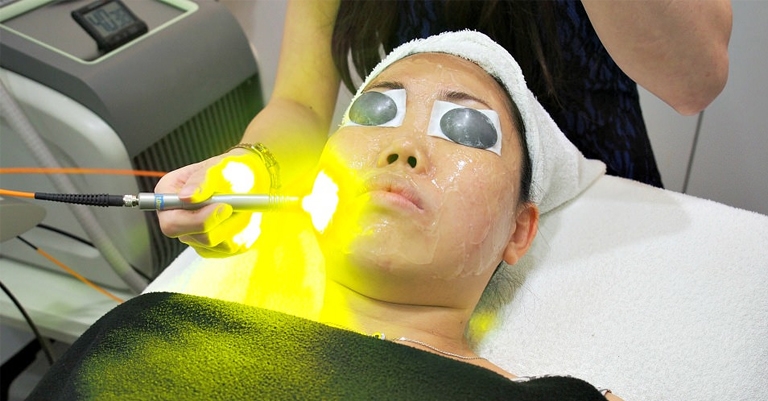
    When it comes to revitalizing your skin for a clear, even-toned, and radiant complexion, Yellow Laser treatment in Singapore is a top choice among those seeking non-surgical solutions. This advanced laser technology targets skin concerns at their core, delivering exceptional results without the need for invasive procedures. With its precise application, Yellow Laser treatment offers a myriad of benefits that can transform your skin, making it one of the most sought-after treatments in Singapore.

    What is Yellow Laser Treatment?

    Yellow Laser treatment utilizes a specific wavelength of light that is highly effective in targeting blood vessels and pigment within the skin. The yellow light is particularly well-absorbed by hemoglobin, making it ideal for treating vascular issues such as rosacea, broken capillaries, and redness. Additionally, it helps in breaking down melanin, which contributes to the reduction of pigmentation and the achievement of an even skin tone. This treatment is non-invasive, with minimal discomfort and downtime, making it a popular option for those looking to improve their skin’s appearance without the need for surgical intervention.

    Benefits of Yellow Laser Treatment

    1. Reduction of Redness and Rosacea One of the most significant benefits of Yellow Laser treatment in Singapore is its ability to reduce redness and treat rosacea effectively. The laser specifically targets the blood vessels responsible for the redness, shrinking them and reducing the overall appearance of rosacea. Over a series of sessions, patients can experience a noticeable decrease in redness, leading to a more even and balanced skin tone.
    2. Minimization of Pigmentation and Sunspots Yellow Laser treatment is highly effective in minimizing pigmentation issues, including sunspots, age spots, and melasma. By targeting the melanin in the skin, the laser helps to break down the pigment, leading to a gradual fading of dark spots. This results in a clearer and more uniform complexion, making the skin look brighter and more youthful.
    3. Treatment of Acne and Acne Scars For individuals struggling with acne and the scars it leaves behind, Yellow Laser treatment offers a dual approach. The laser’s anti-inflammatory properties help to reduce active acne by targeting the bacteria that cause it, while also promoting healing and reducing the appearance of acne scars. This makes it an excellent option for those seeking to improve both the texture and clarity of their skin.
    4. Improvement in Skin Texture and Tone Yellow Laser treatment goes beyond just treating specific skin concerns; it also enhances the overall texture and tone of the skin. By stimulating collagen production, the laser helps to tighten and firm the skin, reducing the appearance of fine lines and wrinkles. The result is smoother, more resilient skin that looks naturally radiant.
    5. Non-Invasive and Minimal Downtime Unlike other treatments that require significant recovery time, Yellow Laser treatment in Singapore is non-invasive and requires minimal downtime. Patients can typically return to their regular activities immediately after the procedure. This makes it an ideal choice for individuals with busy lifestyles who still want to achieve noticeable improvements in their skin.

    Best Candidates for Yellow Laser Treatment

    Yellow Laser treatment is suitable for a wide range of skin types and concerns, making it accessible to many individuals. However, the best candidates for this treatment are those with specific issues such as redness, rosacea, pigmentation, and mild to moderate acne. Additionally, individuals with fair to medium skin tones tend to respond best to the treatment. It’s important to consult with a qualified skincare professional to determine if Yellow Laser treatment is the right option based on your unique skin type and concerns.

    What to Remember Before Undergoing Yellow Laser Treatment

    Before undergoing Yellow Laser treatment in Singapore, there are a few key considerations to keep in mind:

    1. Consultation is Key A thorough consultation with a skincare specialist is essential to ensure that Yellow Laser treatment is suitable for your skin type and concerns. This will also help in setting realistic expectations for the results you can achieve.
    2. Pre-Treatment Care Proper preparation is crucial for optimal results. This may include avoiding sun exposure, certain skincare products, and medications that can increase sensitivity to the laser. Your skincare professional will provide specific guidelines to follow before your treatment.
    3. Multiple Sessions May Be Needed Depending on the severity of your skin concerns, multiple sessions of Yellow Laser treatment may be required to achieve the desired results. Each session typically builds on the previous one, leading to gradual improvements over time.
    4. Post-Treatment Care After your Yellow Laser treatment, it’s important to follow the post-care instructions provided by your skincare professional. This may include applying soothing creams, avoiding sun exposure, and using gentle skincare products to support the healing process.
    5. Expect Gradual Results While some individuals may notice improvements after a single session, the full benefits of Yellow Laser treatment usually become apparent after a series of treatments. Patience and consistency are key to achieving the best results.

    Why Choose Yellow Laser Treatment in Singapore?

    Choosing Yellow Laser treatment in Singapore ensures that you are receiving a cutting-edge treatment from experienced professionals in a world-renowned hub for skincare innovations. Singapore’s skincare clinics are equipped with the latest technology and staffed by highly trained experts who are committed to helping you achieve your skincare goals.

    In conclusion, Yellow Laser treatment offers a comprehensive solution for achieving clear, even-toned, and radiant skin. With its ability to address a wide range of skin concerns, from redness and pigmentation to acne and skin texture, this treatment is a versatile and effective option for those seeking to enhance their complexion. If you’re looking to rejuvenate your skin and achieve a glowing, youthful appearance, consider Yellow Laser treatment in Singapore as your go-to solution.

  • Impact of Understaffing in Nursing Homes

    Impact of Understaffing in Nursing Homes

    The Link Between Understaffing and Abuse

    Understaffing in nursing homes isn’t just a staffing issue; it’s a major factor that can lead to abuse and neglect. When there aren’t enough caregivers, residents may not get the attention they need, which can lead to serious problems. Without proper care, residents are at risk of falls, dehydration, or even bedsores. Staff members, overwhelmed by their workload, might become frustrated or even abusive, turning a place meant for care into a source of harm.

    Consequences for Resident Care

    The consequences of understaffing are severe and multifaceted. Residents often face delayed responses to their needs, leading to unmet medical and personal care requirements. This can result in:

    • Increased risk of medical emergencies being mishandled.
    • Higher chances of neglect, both unintentional and deliberate.
    • Deteriorating health conditions, sometimes resulting in death.

    Emotional and Psychological Effects

    Beyond physical harm, understaffing can take a toll on residents’ emotional well-being. Feelings of loneliness and isolation can become prevalent when staff are too busy to provide companionship or engage with residents. This emotional neglect can lead to:

    • Increased anxiety and depression among residents.
    • Behavioral changes due to lack of interaction.
    • A diminished sense of dignity and self-worth.

    The impact of understaffing is profound, affecting not only the physical health of residents but also their emotional and psychological well-being. Addressing these issues is crucial for ensuring the safety and dignity of nursing home residents.

    Factors Contributing to Understaffing in Nursing Homes

    Economic Pressures and Cost-Cutting

    Understaffing in nursing homes often stems from financial difficulties faced by these facilities. Nursing homes operate on tight budgets, and the cost of maintaining a full, qualified staff is significant. Owners and managers may resort to reducing staff numbers to save on labor costs. This decision, while economically driven, can lead to severe consequences for resident care. The need to balance financial viability with quality care creates a persistent tension, which unfortunately often results in fewer staff members available to meet the needs of residents.

    High Staff Turnover Rates

    Another major factor contributing to understaffing is the high turnover rate among nursing home staff. The demanding nature of the job, coupled with often inadequate pay and benefits, leads many employees to seek employment elsewhere. This constant cycle of hiring and training new staff not only strains the facility’s resources but also affects the continuity of care for residents. Staff burnout is a common issue, as employees are frequently overworked to compensate for the lack of personnel, further exacerbating turnover.

    Intentional Understaffing by Management

    In some cases, management may intentionally understaff their facilities as a cost-saving measure. This practice can be driven by a desire to maximize profits or reduce operational expenses. However, this approach can have dire implications for resident care and safety. Intentional understaffing often results in increased workloads for existing staff, leading to fatigue and a higher likelihood of errors or neglect. It is a short-sighted strategy that ultimately undermines the quality of care provided to residents.

    Legal and Ethical Implications of Understaffing

    Regulatory Standards and Compliance

    Nursing homes are expected to meet certain regulatory standards to ensure the safety and well-being of their residents. However, understaffing can lead to violations of these standards, putting facilities at risk of legal action. Compliance with staffing regulations is crucial to avoid penalties and ensure quality care. Facilities must maintain accurate records of staffing levels, as false reporting can lead to severe consequences. The Affordable Care Act mandates that staffing data be verified through payroll, preventing nursing homes from providing misleading information.

    Ethical Considerations in Resident Care

    The ethical implications of understaffing are profound. When there aren’t enough staff members to care for residents adequately, the quality of care diminishes significantly. This can lead to neglect, where basic needs such as nutrition, hygiene, and medical attention are not met. The ethical responsibility of nursing homes is to prioritize resident care and ensure that each individual receives the attention they deserve. Neglect and abuse due to understaffing are not just legal issues but moral failures.

    Legal Recourse for Affected Families

    For families affected by nursing home understaffing, legal recourse is available. They can pursue action against facilities that fail to meet required staffing levels, leading to neglect or abuse. Legal cases often focus on the harm caused by inadequate care, such as malnutrition, dehydration, or untreated medical conditions. Families may seek compensation for damages and advocate for better staffing practices to prevent future incidents. Understanding the legal rights and options available is essential for families dealing with the consequences of understaffing in nursing homes.

    The Role of Staff in Preventing Nursing Home Abuse

    Importance of Adequate Staffing Levels

    In nursing homes, having enough staff is super important. Without enough people to help, residents might not get the care they need. This lack of attention can lead to serious issues, like falls or not getting the right medicine. Adequate staffing ensures that each resident receives personalized care and attention. When there are enough caregivers, they can spend more time with each person, making sure they are comfortable and safe.

    Training and Support for Caregivers

    Training is key for caregivers. They need to know how to handle different situations and care for residents properly. Regular training sessions can help staff stay updated on the best practices. Also, having support from management and colleagues makes a big difference. It helps caregivers feel confident and valued in their roles. This support can lead to better care for residents, reducing the risk of abuse.

    Creating a Safe Environment for Residents

    A safe environment is crucial for preventing abuse in nursing homes. Staff play a big role in this by being attentive and responsive to residents’ needs. They should watch for any signs of abuse or neglect and report them immediately. Healthcare providers are essential in identifying and reporting abuse, acting as advocates for residents. Creating a culture of safety involves everyone, from management to caregivers, working together to protect residents.

    Identifying Signs of Abuse Due to Understaffing

    Physical Indicators of Neglect

    Unexplained weight loss or dehydration in nursing home residents can indicate neglect. Signs such as sudden weight loss or insufficient food and water intake are critical red flags that should not be ignored. Other physical signs of neglect might include bedsores, poor personal hygiene, and a general decline in health. These are often the result of staff not having enough time or resources to attend to each resident’s needs adequately.

    Behavioral Changes in Residents

    Residents may exhibit behavioral changes when suffering from neglect due to understaffing. It’s not uncommon for them to become withdrawn, depressed, or anxious. These emotional shifts can be subtle but are significant indicators of underlying issues. Family members should be vigilant about noticing any changes in demeanor, as these can be signs that a resident is not receiving the care they need.

    Reporting and Documentation

    When neglect is suspected, it is crucial to report and document these concerns. Keep a detailed record of any incidents or signs of neglect. This might include taking notes of unreasonably delayed response times or observing staff appearing rushed and overwhelmed. Reporting these issues to the appropriate authorities can help ensure that action is taken to address staffing shortages and improve care for residents. Additionally, documentation can be vital if legal action becomes necessary.

    Strategies for Addressing Understaffing in Nursing Homes

    Policy Changes and Advocacy

    To tackle the issue of understaffing in nursing homes, policy changes and advocacy play a crucial role. Lobbying for legislation that mandates higher staffing levels can be effective. There have been suggestions for laws requiring nursing homes to provide each resident with a minimum of 4.1 to 4.85 hours of direct care daily. Although challenging to enforce, such policies could significantly improve care quality. Advocacy groups can also push for better reimbursement rates, which would allow facilities to hire and retain more qualified staff.

    Improving Recruitment and Retention

    Recruiting and retaining staff in nursing homes is a persistent challenge. Many facilities face high turnover rates due to burnout and inadequate compensation. To address this, nursing homes could focus on:

    • Offering competitive wages and bonuses to attract skilled professionals.
    • Providing a supportive work environment to reduce burnout.
    • Implementing continuous training programs to enhance staff skills and job satisfaction.

    By improving these areas, nursing homes can create a more stable workforce and reduce the cycle of staffing shortages.

    Technological Solutions and Innovations

    Incorporating technology in nursing homes can alleviate some of the burdens caused by understaffing. Innovative solutions, such as electronic health records and automated medication dispensing systems, can streamline administrative tasks and free up staff time for direct patient care. Additionally, telehealth services can provide remote consultations, reducing the need for on-site healthcare professionals. By embracing these technological advancements, nursing homes can improve efficiency and enhance patient care.

    Case Studies: Understaffing and Its Consequences

    Notable Legal Cases and Verdicts

    Understaffing in nursing homes has led to significant legal cases, highlighting the dire consequences of inadequate staffing. One notable case involved a facility where residents suffered from severe neglect due to insufficient staff. The court found the nursing home guilty of negligence, resulting in a substantial financial penalty. Such cases underscore the critical need for appropriate staffing levels to ensure resident safety and well-being.

    Impact on Resident Health and Safety

    The effects of understaffing on resident health and safety are profound. Residents often experience neglect, leading to conditions like bedsores, malnutrition, and dehydration. In some instances, the lack of prompt medical attention has resulted in severe health deterioration or even fatalities. Understaffing compromises the quality of care, putting residents at significant risk.

    Lessons Learned from Past Incidents

    Past incidents of understaffing provide valuable lessons for improving nursing home care. Facilities must prioritize hiring and retaining qualified staff to prevent neglect and abuse. Implementing robust training programs and support systems can also mitigate the risks associated with understaffing. Additionally, social isolation and emotional neglect must be addressed to enhance the overall well-being of residents.

    The Future of Nursing Home Staffing

    Trends in Workforce Development

    The landscape of nursing home staffing is changing, driven by various trends in workforce development. One significant trend is the push towards better educational opportunities for those entering the field. Training programs are increasingly focusing on specialized skills to prepare staff for the unique challenges of elder care. Additionally, there’s a growing emphasis on diversity and inclusion within the workforce, aiming to reflect the diverse backgrounds of residents.

    Potential Policy Reforms

    Policy reforms are on the horizon, with the potential to reshape how nursing homes operate. Governments are considering regulations that would mandate minimum staffing levels, ensuring that each resident receives adequate care. Such reforms could also include financial incentives for facilities that maintain high staffing standards. Moreover, CMS’s national Nursing Home Staffing Campaign aims to boost the number of nurses, addressing the persistent shortage.

    Innovations in Care Delivery

    Innovations in care delivery are set to transform nursing home environments. From telehealth services to advanced monitoring systems, technology is playing a crucial role in enhancing care quality. Robotics and AI are being explored to assist with routine tasks, freeing up staff to focus on more personalized care. These innovations not only improve efficiency but also enhance the quality of life for residents, making nursing homes safer and more responsive to their needs.

    Community and Family Involvement in Nursing Home Care

    Advocating for Loved Ones

    When it comes to nursing home care, families play a vital role in advocating for their loved ones. Regular visits and open communication with the facility staff ensure that the residents’ needs are being met and any concerns are addressed promptly. Families should also familiarize themselves with the rights of residents to ensure their loved ones receive the care they deserve. Being proactive in discussions about care plans and health updates can significantly impact the quality of life for residents.

    Building Stronger Support Networks

    Creating a strong support system around nursing home residents is essential. This involves not only the family but also friends and community members who can provide emotional and social support. Emotional connections among residents, staff, and family members can help create a more inclusive and supportive environment. Organizing community events or support groups can foster a sense of belonging and improve the overall atmosphere within the facility.

    Collaborating with Care Providers

    Effective collaboration between families and care providers is crucial for the well-being of nursing home residents. Families should engage in regular discussions with healthcare providers to stay informed about their loved one’s health status and any changes in their care plans. By working together, families and care providers can ensure that residents receive comprehensive and personalized care. Establishing a collaborative relationship can also help address any issues related to understaffing, ensuring that residents’ needs are not overlooked.

    Challenges in Enforcing Staffing Regulations

    Monitoring and Accountability

    Monitoring staffing levels in nursing homes is a complex task. It’s not just about numbers; it’s about ensuring quality care. Accurate reporting is crucial, yet many facilities have been known to misrepresent staff levels. This issue became more transparent after the Affordable Care Act required nursing homes to submit daily payroll reports. However, the challenge remains in verifying the authenticity of these reports and ensuring compliance with the standards.

    Barriers to Effective Enforcement

    One of the main barriers is the inconsistency in staffing standards across states. While some states like New York and Massachusetts have increased their staffing requirements, others have relaxed them. This lack of uniformity makes it difficult to enforce a nationwide standard. Moreover, the financial strain on nursing homes, often due to underfunded Medicare and Medicaid systems, limits their ability to maintain adequate staffing levels. This financial challenge is further compounded by high turnover rates and burnout among staff.

    Role of Government and Agencies

    Government bodies and agencies play a vital role in setting and enforcing staffing regulations. However, without a federal mandate on minimum staffing levels, states have taken varied approaches, leading to a patchwork of regulations. The AHA’s challenge to the CMS rule mandating 24/7 RN availability highlights the ongoing debate about the feasibility and necessity of such regulations. Agencies must balance the need for stringent staffing requirements with the practical realities faced by nursing homes, ensuring that regulations do not inadvertently lead to facility closures or reduced care quality.

    The Economic Impact of Understaffing on Healthcare Systems

    Cost of Neglect and Abuse

    Understaffing in nursing homes often leads to neglect and abuse, which can have serious financial repercussions. When residents do not receive adequate care, their health conditions can worsen, resulting in costly medical interventions. This not only increases the financial burden on individual families but also strains the resources of the healthcare system as a whole. Hospitals and emergency services may see an uptick in admissions from nursing homes, which are often preventable with proper staffing.

    Financial Burden on Families

    Families of nursing home residents often bear the financial brunt of understaffing. They might need to hire additional private caregivers or pay for unexpected medical expenses that arise due to neglect. Moreover, the emotional toll on families can be significant, as they may feel compelled to frequently visit and monitor their loved ones’ care, potentially impacting their own work and financial stability.

    Long-Term Implications for Healthcare

    The long-term implications of understaffing in nursing homes extend beyond immediate costs. Chronic understaffing can lead to a decline in the overall quality of care, which may necessitate policy changes and increased regulation. This can result in higher operational costs for nursing homes, which might be passed on to residents and their families. Furthermore, the reliance on temporary staffing solutions, as highlighted by the nursing shortage, can drive up labor costs and reduce continuity of care, affecting patient outcomes negatively. Addressing these issues requires a coordinated effort to improve staffing levels and ensure sustainable healthcare practices.

    Supplementary Resources

    Ben Crump Law

    Nursing Home Abuse Center

    Levin and Perconti

    Lanier Law Firm

    Lawfirm.com

    Pintas Law Firm

    Nursing Homes Abuse

    Nursing Home Law Centers

    Weitz and Luxenberg Law Offices

    USclaims.com

    Senior Justice
     

  • How Medical Centers and Injury Telemedicine Enhance Patient Recovery?

    How Medical Centers and Injury Telemedicine Enhance Patient Recovery?

    Nowadays, doctors use both traditional hospitals and new technologies like telemedicine to help patients recover. Both methods are important for making sure treatment works well, helping patients recover faster, and making their overall experience better.

    This article talks about how a medical center and injury telemedicine work together to help patients recover.

    Specialized Services and Comprehensive Care.

    Medical centers offer advanced diagnostic tools, such as MRI and CT scans, that are important for accurate diagnosis and treatment planning. It’s important to get better quickly and accurately.

    Medical centers provide immediate care and surgical interventions for patients with severe injuries or medical conditions. Emergency departments can handle serious cases, stabilize patients, and start treatment.

    Many medical centers have dedicated rehabilitation departments that offer physical therapy, occupational therapy, and other rehabilitative services. These therapies are crucial for helping patients regain function, strength, and mobility after injury or surgery.

    Medical centers often have a team of specialists, such as surgeons, physiotherapists, and dietitians, who work together to create and implement treatment plans that meet the individual patient needs.

    Benefits of Medical Centers

    Patients benefit from the knowledge and experience of a variety of healthcare professionals. Medical equipment and technologies that help doctors diagnose and treat patients. Doctors make plans for you based on how you feel. This helps you get better faster.

    Use of Telemedicine For Treating Injuries

    Injury telemedicine is a significant advancement in remote healthcare. It uses digital technology to offer injury assessment and management without the need for in-person visits. This method is becoming more important as healthcare systems try to make care easier and faster.

    How Injury Telemedicine Works?

    Patients can use video calls or secure online platforms to consult with healthcare providers about their injuries. These consultations allow for symptom discussion, medical history review, and preliminary diagnoses.

    Mobile apps and wearable devices can keep track of how much pain someone has, how much they can move, and how much they exercise. This information helps doctors adjust treatment plans quickly.

    Telemedicine platforms can help you with exercises and physical therapy programs. Patients get instructions and feedback from therapist, so they can continue their recovery at home.

    Benefits of Injury Telemedicine

    Patients can get care without having to travel, which saves time and money. Telemedicine allows patients to connect with specialists who may not be available locally, giving them access to expertise that helps them recover.

    Digital tools help keep track of treatment plans and make changes to treatment plans quickly, which helps care be more effective and responsive.

    Synergizing Medical Centers and Injury Telemedicine

    Combining the strengths of medical centers with injury telemedicine creates a holistic approach to patient recovery. This integration makes care more comprehensive and improves overall treatment outcomes.

    Coordinated Care for Comprehensive Care.

    Patients can begin their recovery journey with a virtual consultation using telemedicine. They will receive initial advice and suggestions. Follow-up visits and special treatments can then be done at medical centers as needed, ensuring a seamless transition between remote and in-person care.

    Conclusion

    Medical centers and injury telemedicine work together to help patients recover. This approach improves patient satisfaction and engagement. Taking a dual approach to healthcare will help patients get the best possible care for their recovery journey.

  • 12 Tips for Maintaining Peak Performance with Osteopathy

    12 Tips for Maintaining Peak Performance with Osteopathy

    Osteopathy is a holistic approach to healthcare that focuses on the body’s musculoskeletal system. It aims to improve overall health by treating and strengthening the musculoskeletal framework. Here are 12 tips to help you maintain peak performance with Integral Performance Osteo.

    1. Regular Appointments

    Consistent osteopathy sessions can help maintain your body’s alignment and function. Regular check-ups with an osteopath can prevent minor issues from becoming major problems.

    2. Stay Hydrated

    Hydration is crucial for maintaining healthy joints and muscles. Drinking plenty of water helps keep your tissues hydrated and flexible, which is essential for peak performance.

    3. Proper Nutrition

    A balanced diet rich in vitamins and minerals supports overall health and aids in the body’s natural healing processes. Nutrients like calcium and magnesium are particularly important for bone and muscle health.

    4. Warm-Up and Cool-Down

    Always warm up before physical activity and cool down afterward. This helps prepare your muscles and joints for exercise and reduces the risk of injury.

    5. Stretch Regularly

    Incorporate stretching into your daily routine to maintain flexibility and prevent muscle stiffness. Stretching helps improve blood flow and keeps your muscles and joints limber.

    6. Strength Training

    Strength training exercises help build muscle and support your joints. Strong muscles can better support your skeletal system, reducing the risk of injury.

    7. Proper Posture

    Maintaining proper posture is essential for preventing musculoskeletal issues. Be mindful of your posture throughout the day, especially if you spend long hours sitting or standing.

    8. Ergonomic Workspaces

    Ensure your workspace is ergonomically designed to reduce strain on your body. This includes having a chair with proper lumbar support and a desk at the correct height.

    9. Listen to Your Body

    Pay attention to any signs of discomfort or pain. Addressing these issues early with the help of an osteopath can prevent them from becoming more serious.

    10. Rest and Recovery

    Allow your body time to rest and recover, especially after intense physical activity. Adequate rest is crucial for muscle repair and overall health.

    11. Mental Health

    Mental well-being is closely linked to physical health. Practices such as mindfulness, meditation, and stress management can positively impact your physical performance.

    12. Follow Your Osteopath’s Advice

    Your osteopath will provide personalized advice and treatment plans tailored to your needs. Follow their recommendations to achieve and maintain peak performance.

    By incorporating these tips into your routine, you can enhance your overall well-being and maintain peak performance with the help of Integral Performance Osteo. Osteopathy offers a comprehensive approach to health that supports your body’s natural ability to heal and function optimally.

  • Are mushroom chocolate bars safe for daily consumption?

    Are mushroom chocolate bars safe for daily consumption?

    Mushroom chocolate bars have become popular recently. Many people wonder if eating them every day is okay. Mushroom chocolate bars are candy bars that mix chocolate with mushroom powder. The mushrooms used are not the same as the ones you cook with. They’re special mushrooms that some think have health benefits. These bars often use mushrooms like reishi, lion’s mane, or cordyceps.

    Why do people eat them?

    Some folks eat these bars because they think the mushrooms are good for them. They believe the mushrooms might:

    • Help them focus better
    • Boost their energy
    • Lower stress
    • Support their immune system

    Are they safe to eat every day

    The safety of eating mushroom chocolate bar daily depends on a few things:

    The type of mushrooms used

    Different mushrooms can affect your body in different ways. Some might be fine to eat often, while others could cause problems if you have too much.

    How much mushroom powder is in each bar

    The amount of mushrooms in each bar matters. Too little might not do anything, but too much could be harmful.

    Your overall health

    Your body might react differently to these bars based on your health. Some people might be more sensitive to the effects.

    Other medicines you take

    Mushrooms can sometimes interact with medicines. It’s crucial to check with a doctor if you take any drugs regularly.

    The quality of the product

    Not all mushroom chocolate bars are made the same way. Some might have better quality ingredients than others.

    Possible risks of eating mushroom chocolate bars daily:

    Digestive issues

    Eating a lot of mushrooms every day might upset your stomach. You could get gas, bloating, or diarrhoea.


    Allergic reactions

    Some people are allergic to mushrooms. Eating these bars daily could cause an allergic response.

    Too much caffeine

    If the bars contain caffeine-rich mushrooms like cordyceps, you might get too much caffeine.

    Interference with medications

    Some mushrooms can change how your body processes medicines. This could make your medications work differently.

    Unknown long-term effects

    We don’t know much about the long-term effects of eating these mushroom powders every day. There could be risks we haven’t discovered yet.

    Sugar intake

    These are still chocolate bars. Eating them daily means you’re having a lot of sugar, which isn’t good for your health.

    Things to consider before eating mushroom chocolate bars regularly:

    Talk to a doctor

    Before you start eating these bars often, it’s best to ask a doctor. They can tell you if it’s safe for you.

    Start slow

    If you want to try these bars, start with a small amount. See how your body reacts before you eat more.

    Choose quality products

    Look for bars made by trusted companies. They should list all ingredients clearly.

    Watch for side effects

    Pay attention to how you feel after eating these bars. If you notice any bad effects, stop eating them.

    Don’t rely on them for health benefits

    While some people think these bars are good for health, they shouldn’t replace a balanced diet or prescribed medicines.


  • CBD Gummies for Neurological Health Understanding Their Potential in Neuroprotection

    CBD Gummies for Neurological Health Understanding Their Potential in Neuroprotection

    Cannabidiol, a non-psychoactive cannabis compound, is gaining popularity due to its potential brain health benefits. Many individuals are now taking CBD gummies as different studies prove its potential. The chews are an easy-to-make, enjoyable form to take on CBD, and it may help keep the brain safe. CBD could be neuroprotective, and in this regard, CBD gummies can help in the treatment of epilepsy, multiple sclerosis, and early-stage Alzheimer’s. Cannabidiol relates with the intricate endocannabinoid system to control pain, emotion, and memory thus neuroprotective. Cannabidiol affects both CB1 and CB2 receptors as well as neurotransmitter release.

    CBD and Neuroprotection

    This interaction reduces oxidative stress, inflammation, and excitotoxicity, which are core values of neurodegenerative diseases. From various studies, it has been proven that the antioxidative effects of Cannabidiol protect the neurons from free radicals and inflammation. The CBD gummies boost neuroprotection by neurogenesis, which is the formation of new neurons, especially in the hippocampus-the area of the brain responsible for memory and learning. Neurogenesis may forestall several neurodegenerative diseases and age-related deterioration of cognitive functionalities, researchers conclude. Therefore, CBD multi-perspective approach could contribute to better health at the brain level through attenuation of inflammation, activation of cell repair, and retardation of neurodegenerative processes.

    CBD As an Antiepileptic Medicine

    CBD has been highly studied for treatment of epilepsy, including drug-resistant forms such as Dravet syndrome and Lennox-Gastaut syndrome. The Cannabidiol-based drug, Epidiolex, became the first FDA-approved treatment for these diseases specifically for seizure reduction, in 2018. CBD exerts anticonvulsant action primarily through modulation of neuronal excitability through interaction with GABA receptors and voltage-gated calcium channels. For epileptic patients, Cannabidiol edibles could be subtle, even pleasant. For some, gummies are softer and easier to swallow than oils or tinctures. Gummies can help ensure a steady, blood- Cbd buildup of drug levels that could improve seizure control and quality of life.

    Multiple Sclerosis Support

    Multiple sclerosis is a disabling chronic illness in which the sheath surrounding nerve fibers are destroyed. Patients usually live with pain, muscle spasms, fatigue, and cognitive decline. CBD may help abate MS symptoms because of its anti-inflammatory and muscle relaxant properties, according to some preliminary research. The CBD gummies are already documented to mitigate MS symptoms and to improve locomotion in animals. Cannabidiol gummies can be orally administered as an easily tolerated medicine for MS patients who might be experiencing discomfort or irritation in their gastrointestinal tract. Gummies alleviate stiffness and pain since they are easy to digest and provide a controlled dose of CBD. Cannabidiol also lifts mood and sense of well-being in general which may be beneficial for people suffering from MS in coping with their condition.

  • Tips for Successful Tooth Care

    Tips for Successful Tooth Care

    Caring for one’s teeth is one of the most critical things that a person can do to promote good health. Tooth care is not only a sign of good hygiene and clean teeth, but it also helps to avoid numerous problems. 

    The following tips can be used to guide you on how to maintain a healthy mouth for the years ahead:

    Brush and Floss Regularly

    Daily brushing and flossing are the essential dental hygiene practices that every individual should observe. Brushing your teeth at least twice ensures that you clear out the deposits of plaque and bacteria that can cause cavities and gum diseases. 

    You should use fluoride toothpaste and a soft-bristled toothbrush to remove debris and stains on the surfaces of your teeth. Also, flossing has the ability to remove food particles and plaque, which are hard for the toothbrush to reach, especially in between the teeth.

    Maintain a Balanced Diet

    The foods we eat have an impact on the general health of our teeth and mouth. Various foods and drinks that contain sugar and are acidic cause cavities and erosion of the teeth as well. However, it is more advisable to choose foods from the different food groups, including fruits, vegetables, lean meats, and whole grain products. 

    It also discusses foods that are rich in nutrients that are vital for healthy teeth and gums. Also, taking a lot of water benefits washing off food particles and bacteria in the mouth as well as enhancing oral health.

    Visit Your Dentist Regularly

    It is, therefore, important to make a habit of visiting the dentist once every six months to have your teeth examined and cleaned. Services provided by the dentists include cleaning of teeth, examination, and advice and treatment for diseases and conditions affecting the teeth and gums. 

    The dentist services will notice any problems before they get too severe and need a range of treatments to fix them. These regular checkups also create a perfect platform to ask the dentist any questions or issues that you may be having with your dental health.

    Consider Denture Repair Process

    Dental implants are one of the options that can be effectively used if teeth have been lost at some point in time. Dental implants are replacement teeth that are surgically positioned and fused with the jawbone to act as the root. 

    This post offers support for a separately made artificial tooth or crown, as used and recommended in dental procedures. Dental implant treatment also serve for aesthetic and functional purposes because, after receiving an implant, a person is able to eat and speak without pain. See your dentist to find out whether dental implants are feasible for your situation.

    Practice Good Oral Hygiene Habits

    Besides the use of a brush and dental floss, there are other ways through which one can maintain a healthy mouth. Consumption of tobacco should also be discouraged, as it leads to higher chances of developing gum diseases, tooth decay, and oral cancer. 

    They should use mouthwash for rinsing their mouth so as to kill the bacteria and reduce bad breath, but this should not be used instead of brushing and flossing. Last but not least, make a habit of replacing your toothbrush after every three to four months or whenever the bristles appear worn out, and your toothbrush should always stand in an upright position to allow it to air dry in between uses.

  • Hydration Strategies for Vomiting in Children: Tips for Parents

    Hydration Strategies for Vomiting in Children: Tips for Parents

    Dealing with children vomiting can be worrying for parents, especially in Singapore’s hot and humid climate. Ensuring proper hydration is crucial for their recovery and well-being. Here are some essential tips to help parents manage hydration strategies for vomiting in children effectively.

    Understanding Children Vomiting

    Children vomiting can occur due to various reasons such as stomach viruses, food poisoning, motion sickness, or underlying health conditions. Vomiting is the body’s way of expelling harmful substances, but it can lead to dehydration if not managed properly. Recognising the signs of dehydration and knowing how to rehydrate your child are essential.

    Rehydration Solutions

    • Oral rehydration solutions (ORS) are specially formulated to replenish lost fluids and electrolytes in cases of vomiting and diarrhea.
    • These solutions contain a precise balance of salts and sugars that aid in faster absorption of fluids by the body.
    • Encourage your child to take small sips of ORS frequently, even if they vomit, to prevent dehydration.

    Offer Clear Fluids

    In addition to ORS, offer clear fluids such as:

    • Water
    • Diluted fruit juice
    • Clear broths
    • Coconut water

    Small, frequent sips are more manageable for children who are feeling nauseous. Do keep fluids readily available and offer them regularly to ensure your child stays hydrated.

    Avoid Certain Foods

    During episodes of vomiting, it’s best to avoid solid foods until your child’s stomach settles. Consider:

    • Avoiding sugary or caffeinated drinks as they can worsen dehydration.
    • Avoiding heavy, greasy, or spicy foods as they can exacerbate nausea and may be difficult to digest.

    Monitor Urine Output

    Monitoring your child’s urine output is an essential indicator of hydration status. Encourage them to urinate regularly and observe the color of their urine.

    • Pale yellow urine indicates adequate hydration.
    • Dark yellow or amber-coloured urine may indicate dehydration.
    • If your child produces little to no urine or shows signs of dehydration, seek medical attention promptly.

    Encourage Rest

    Rest is crucial for recovery, especially during episodes of vomiting.

    • Encourage your child to rest in a cool, comfortable environment and avoid strenuous activities until they feel better.
    • Adequate rest allows the body to focus its energy on fighting off the underlying cause of vomiting and promotes faster recovery.

    Seek Medical Attention if Necessary

    While most cases of vomiting in children resolve on their own with proper hydration and rest, some situations may require medical attention.

    • Seek medical help if your child exhibits signs of severe dehydration, such as sunken eyes, dry mouth, lethargy, or decreased urine output.
    • If vomiting persists for more than 24 hours, is accompanied by high fever, severe abdominal pain, or blood in vomit, consult a healthcare professional promptly.

    Preventing Dehydration

    • Encourage your child to drink fluids even before they feel thirsty.
    • Offer popsicles, ice chips, or frozen fruit bars if your child finds it difficult to drink liquids.
    • Use a medicine dropper or oral syringe to administer small amounts of fluids if your child refuses to drink.
    • If breastfeeding, continue to nurse your baby as breast milk provides essential hydration and nutrients.

    Even after vomiting stops, it’s important to continue hydrating your child to replenish lost fluids and prevent dehydration.

    • Offer small, frequent sips of fluids throughout the day.
    • Monitor their urine output and ensure it remains pale yellow in color.

    Gradual Reintroduction of Food

    Once vomiting has subsided, gradually reintroduce bland, easy-to-digest foods such as:

    • Bananas
    • Rice
    • Applesauce
    • Toast
    • Plain yogurt

    Avoid fatty, spicy, or acidic foods that may irritate the stomach.

    Conclusion

    Managing hydration strategies for vomiting in children requires careful attention and proactive measures. By offering rehydration solutions, clear fluids, monitoring urine output, encouraging rest, and seeking medical attention if necessary, parents can help their child recover from vomiting and prevent dehydration complications. Remember to stay calm, provide comfort, and offer plenty of reassurance to your child during this challenging time.

  • Side Effects of Pico Laser Treatments: What You Should Know

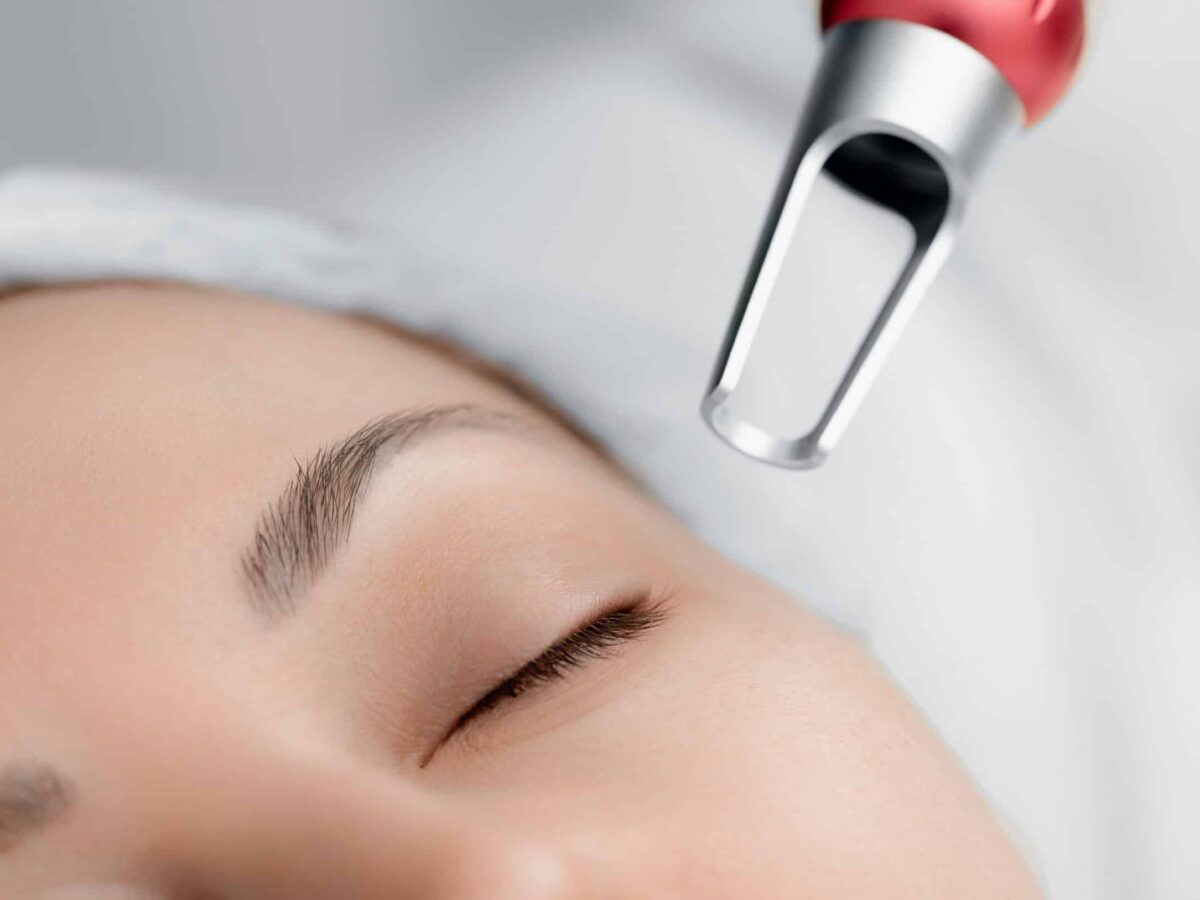
    Side Effects of Pico Laser Treatments: What You Should Know

    Pico laser treatments have revolutionized the world of dermatology, offering solutions for a variety of skin issues, including pigmentation, acne scars, and tattoo removal. While the benefits are widely celebrated, it’s equally important to be aware of the potential side effects. This comprehensive guide aims to delve into the side effects of Pico Laser treatments, providing you with essential information to make an informed decision.

    The Reality of Pico Laser Side Effects

    Pico laser technology is known for its precision and minimal downtime, making it a preferred choice for both dermatologists and patients. However, like any cosmetic procedure, it comes with its own set of potential side effects. Understanding these side effects is crucial for anyone considering this treatment.

    Skin Redness and Irritation

    One of the most common side effects of Pico Laser treatments is temporary skin redness and irritation. This is typically mild and subsides within a few hours to a couple of days. The treated area may appear reddish and feel tender to the touch, similar to a mild sunburn.

    Swelling

    Swelling is another side effect that patients may experience post-treatment. This usually occurs around the treated area and is most noticeable within the first few days after the procedure. Cold compresses and elevation can help reduce swelling more effectively.

    Pigmentation Changes

    While Pico Laser is utilized to treat pigmentation issues, it can sometimes cause temporary hyperpigmentation or hypopigmentation. Hyperpigmentation refers to darkening of the skin, whereas hypopigmentation means the skin may appear lighter. These pigment changes are generally temporary and resolve over time.

    Risk of Infection

    Although rare, there is a slight risk of infection following Pico Laser treatments. Keeping the treated area clean and following post-treatment care instructions meticulously can significantly reduce this risk.

    Mitigating Side Effects of Pico Laser

    Understanding the side effects is only part of the equation. It’s equally important to know how to mitigate these risks and ensure a smooth recovery process.

    Follow Post-Treatment Care Instructions

    Adhering to the post-treatment care instructions provided by your dermatologist is vital. This may include avoiding direct sunlight, applying prescribed topical medications, and keeping the area clean.

    Use Sun Protection

    Sun protection is crucial after undergoing Pico Laser treatment. Wearing a broad-spectrum sunscreen with an SPF of 30 or higher can help prevent pigmentation changes and protect the sensitive skin.

    Keep the Area Clean

    Maintaining cleanliness of the treated area can prevent infections. Gentle washing with a mild cleanser and patting the area dry can promote healing.

    The Benefits of Pico Laser Treatments

    While it’s important to be aware of the potential side effects, the benefits of Pico Laser treatments are significant and worth considering.

    Effective Pigmentation Treatment

    Pico Laser is highly effective in treating various forms of pigmentation, such as sunspots, age spots, and melasma. Its precision allows for targeted treatment, leaving the surrounding skin unaffected.

    Acne Scars Reduction

    For those struggling with acne scars, Pico Laser offers a solution. It promotes collagen production and skin renewal, reducing the appearance of scars over time.

    Quick and Minimal Downtime

    One of the most appealing aspects of Pico Laser treatments is the quick procedure time and minimal downtime. Patients can often return to their daily activities immediately after treatment.

    Tattoo Removal

    Pico Laser is also used for tattoo removal. It can effectively break down ink particles, making it easier for the body to remove them. This process is significantly quicker and less painful than traditional laser tattoo removal methods.

    Conclusion

    While Pico Laser treatments offer numerous benefits, being informed about the potential side effects is essential. Most side effects are temporary and can be effectively managed with proper care and precautions. By understanding the risks and how to mitigate them, you can ensure a safe and successful treatment outcome. Always consult with a qualified dermatologist to discuss your specific needs and concerns before undergoing any cosmetic procedure.