Category: Health

  • Sildenafil Dosage Explained: How to Use It Safely and Effectively

    Sildenafil Dosage Explained: How to Use It Safely and Effectively

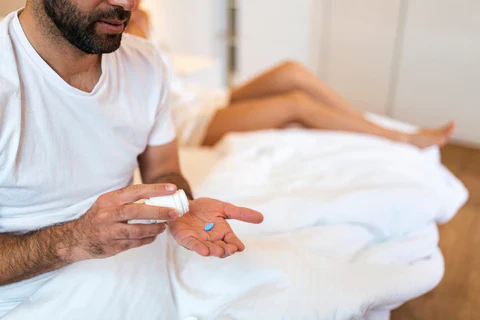
    Understanding the correct dosage of sildenafil is one of the most important factors in achieving good results while minimizing risks. Many men assume that higher doses automatically mean stronger effects, but this is not how sildenafil works. Using the right dose — tailored to individual needs, health status, and response — is essential for both safety and effectiveness.

    This guide explains how sildenafil dosage works, what influences it, and how to use the medication responsibly.

    Why Dosage Matters

    Sildenafil acts on blood vessels by enhancing their ability to stay relaxed during sexual stimulation. While this mechanism is highly effective, it also affects blood pressure and circulation throughout the body. The goal of proper dosing is to achieve sufficient erectile support without overwhelming the system or increasing side effects unnecessarily.

    Men experiencing reduced erection quality, such as difficulty maintaining firmness or consistency — often described as Erezione Debole — may benefit greatly from sildenafil, but only when dosage is chosen carefully.

    Standard Sildenafil Dosages

    Sildenafil is typically available in three main strengths:

    • 25 mg
    • 50 mg
    • 100 mg

    These dosages allow physicians to adjust treatment based on age, health, tolerance, and response.

    25 mg is usually recommended for:

    • Older men
    • Men with liver or kidney impairment
    • Those taking medications that affect sildenafil metabolism
    • First-time users who want to minimize side effects

    50 mg is the most commonly prescribed starting dose. It provides a balance between effectiveness and tolerability for many men.

    100 mg is the highest standard dose and is generally prescribed only when lower doses do not produce adequate results.

    When Higher Dosage Is Considered

    Some men do not respond sufficiently to lower doses. In such cases, a doctor may recommend Sildenafil 100mg after evaluating cardiovascular health, medication interactions, and previous response.

    It is important to understand that increasing dosage does not change the way sildenafil works — it simply amplifies the same effect. This means side effects may also become stronger or more frequent at higher doses.

    Self-increasing the dose without medical guidance is not recommended and can increase health risks without guaranteeing better performance.

    Timing and Frequency of Use

    Sildenafil is designed for use on demand. It is typically taken 30 to 60 minutes before sexual activity. Its effects last around four to six hours, although this varies between individuals.

    Key timing considerations include:

    • taking sildenafil too early may reduce effectiveness
    • taking it too late may not allow sufficient absorption
    • high-fat meals can delay onset
    • alcohol may reduce effectiveness and increase side effects

    Sildenafil should not be taken more than once per day, regardless of dose.

    Factors That Influence the Right Dose

    Several individual factors affect how sildenafil works in the body:

    Age

    As metabolism slows with age, sildenafil may remain active longer. Lower starting doses are often recommended for older men.

    Body weight and composition

    While not strictly weight-based, body composition can influence circulation and drug distribution.

    Liver and kidney function

    Impaired organ function slows drug clearance, increasing side effect risk.

    Other medications

    Some drugs — especially antifungals, antibiotics, and HIV medications — affect sildenafil metabolism.

    Psychological factors

    Anxiety, expectations, and stress levels can influence perceived effectiveness.

    Signs the Dose May Be Too Low

    A dose may be insufficient if:

    • Erection Firmness Improves Only Slightly
    • Erections Fade Quickly
    • Consistency Remains Unreliable

    In such cases, a healthcare provider may adjust dosage or timing rather than immediately increasing to the maximum dose.

    Signs the Dose May Be Too High

    Indicators that the dose is too strong include:

    • Intense Headaches
    • Severe Flushing
    • Dizziness Or Lightheadedness
    • Visual Disturbances
    • Nausea

    Experiencing these effects suggests the dose should be reduced rather than tolerated.

    Can Sildenafil Stop Working Over Time?

    Sildenafil does not cause physiological tolerance in the traditional sense. If it seems less effective over time, common reasons include:

    • Worsening Vascular Health
    • Increased Stress Or Anxiety
    • Lifestyle Deterioration
    • Progression Of Underlying Conditions

    In these cases, increasing dosage may not solve the issue. Addressing root causes is more effective.

    Combining Dosage With Healthy Habits

    Sildenafil works best when the body is already functioning well. Men who exercise regularly, eat a balanced diet, sleep adequately, and manage stress often require lower doses for the same effect.

    Conversely, smoking, excessive alcohol, poor sleep, and inactivity can blunt response, leading men to assume they need higher doses when the real issue lies elsewhere.

    Common Dosage Myths

    “More is always better”

    False. Higher doses increase side effects without guaranteeing better erections.

    “It should work instantly”

    False. Sexual stimulation and proper timing are required.

    “If it doesn’t work once, it never will”

    False. Adjustments often improve results.

    Medical Supervision Is Essential

    Even though sildenafil is widely used, it should not be treated casually. A healthcare provider can determine:

    • The Safest Starting Dose
    • Whether Sildenafil Is Appropriate
    • How To Adjust Dosage Responsibly

    This is especially important for men with heart conditions, blood pressure issues, or multiple medications.

    Final Thoughts

    Correct sildenafil dosage is about balance, not maximum strength. The most effective dose is the lowest one that consistently produces satisfactory results with minimal side effects. Whether a man is addressing occasional difficulties or more persistent erectile challenges, responsible dosing protects health while enhancing confidence and performance.

    Used correctly, sildenafil is a reliable tool — not because of how strong it is, but because of how precisely it can be tailored to the individual.

  • What’s the difference between powdered and liquid synthetic urine?

    What’s the difference between powdered and liquid synthetic urine?

    Two distinct formats dominate the synthetic urine market. Powdered versions ship as dry crystals requiring water addition before use. Liquid products arrive premixed and ready after heating. Choosing between them depends on when you’ll actually use the product and how much preparation complexity you’re willing to handle.

    Preparation complexity differences

    • Heating the liquid to the right temperature is all you do. Get it between 90-100°F. Keep it there. That’s the entire process. The microwave works. Heating pads work. Simple.
    • Powder creates a whole sequence you have to get right. Measure water accurately first. The instructions give exact amounts for a reason. Pour powder into measured water. Shake it hard for several minutes straight, not just a quick swirl. Check carefully whether everything dissolved. Any cloudiness means keep shaking. Particles floating around will get spotted immediately during testing. Only after complete dissolution do you start heating. Then maintain the temperature through transport just like a liquid. 

    synthetic urine in powder form adds all these steps before you even get to the temperature part. Each step is another place where things go wrong. Measure water incorrectly, and concentrations are off. Don’t shake enough, and you’ve got undissolved material. Use tap water when you should use distilled water, and minerals throw off the chemistry. Stress makes mistakes more likely, and people are definitely stressed before drug tests.

    Chemical composition accuracy

    • Factory-mixed liquid removes formula accuracy from your hands entirely. The manufacturer balanced everything already. pH sits where it should. Specific gravity measures correctly. Creatinine, urea, and all the compounds labs check are at proper concentrations. Nothing for you to mess up because the mixing happened at the factory under controlled conditions with quality checks.
    • Powder makes you the chemist. Get the water ratio wrong, and every concentration in the final mixture is off. Too much water dilutes below what labs expect. Too little concentration above normal biological ranges. Either way, you fail. Instructions help, but measuring precisely when you’re anxious about an upcoming test isn’t automatic. One mistake wrecks the whole sample. Liquid takes this risk completely out of the equation.

    Portability and discretion

    • Powder comes in tiny packets. Slip one in your pocket. Please put it in your wallet. Nobody notices. Even if someone sees a small sealed pouch, it doesn’t look like anything particular. Easy to transport. Easy to hide.
    • Bottles of yellowish liquid are a different story. They’re bulky. They’re obvious. Someone spots a bottle of liquid in your bag, and questions come up. What is that? Explaining becomes awkward fast. Size makes hiding harder, too. Liquid occupies real space. Powder maintains a low profile throughout the entire process from purchase to use.

    Cost and value

    • Liquid costs more per unit because manufacturing is more complex. Mixing, bottling, and maintaining sterility through the supply chain all add expense. You’re paying for convenience with liquid formats.
    • Powder runs cheaper initially. Manufacturing is simpler. You’re buying concentrated compounds without water weight. Real value shows up with partial use, though. Mix only what one test requires. The remaining powder sits there ready for next time. It could be months later. Doesn’t matter because it hasn’t degraded. Liquid forces total use once opened. Can’t save half a bottle for later. Over multiple testing situations, powder delivers substantially better value even when upfront pricing looks similar.

    Powder lasts for years in storage and costs less, but requires precise mixing that creates multiple failure points. Liquid provides convenience through factory balancing, yet degrades within two years sealed and goes bad within days after opening. Powder works for buying ahead and multiple future uses. Liquid suits immediate single-use scenarios where avoiding preparation steps matters more than long-term storage or cost efficiency.

  • Early Signs of Skin Cancer You Shouldn’t Ignore

    Early Signs of Skin Cancer You Shouldn’t Ignore

    Identifying concerns early can support safer choices for personal care. Subtle surface shifts deserve calm attention even when they seem minor. Small irregular marks may signal changes that require prompt observation. Gentle guidance encourages awareness, especially when people seek reliable ways to protect themselves. Looking closely at skin patterns can help catch slow-moving issues before they progress. Careful checks reduce worry and build steady habits. Simple daily routines can support clarity while advising caution around unusual spots. The nti wrinkle injections sunshine coast offer effective, non-surgical treatments that reduce fine lines and rejuvenate skin naturally.

    What indicates early surface changes?

    Shifts in texture, tone, or outline can suggest underlying concerns that need thoughtful monitoring. Even slight alterations may point to silent developments. Observing small marks consistently creates useful awareness. Early notice supports calm choices that prevent larger problems.

    Why does a new spot matter?

    Fresh marks that appear without reason may signal unwanted growth. Watching these spots allows steady tracking. When a patch grows slowly or changes shape, it might require additional care. Early attention strengthens long-term safety.

    How do growing marks raise concern?

    Marks that expand gradually can show certain changes. Careful observation helps identify patterns that differ from usual surface traits. Recording size shifts provides helpful clues. Watching closely ensures thoughtful action when needed.

    Which color changes should be watched?

    Altered shades can reflect hidden developments. When a patch darkens or displays several colors, it may need professional attention. Tracking consistent patterns aids informed decision-making. Slight color movement should be taken seriously.

    Why should evolving borders be checked?

    Edges that become uneven or unclear can signal issues below the surface. Regular observation creates a reliable understanding. When a border shifts repeatedly, it may warrant guidance. Calm watching supports timely detection.

    What makes texture changes important?

    Rough, raised, or sunken areas can indicate concerning developments. Identifying such changes early supports safe choices. When texture shifts suddenly, consistent monitoring proves useful. Surface feel can reveal more than expected.

    How do persistent marks raise caution?

    Spots that refuse to fade deserve attention. Constant presence over long periods may suggest deeper problems. Monitoring duration helps reveal unusual trends. Staying aware can protect overall well-being.

    Why should irregular shading be noted?

    Patterns that form unpredictable shading may reveal subtle issues. Careful viewing helps uncover repeating traits that differ from normal skin appearance. Checking these shifts steadily can reduce future complications.

    How can mindful tracking support protection?

    Careful watching provides reliable guidance for safer decisions.

    • Watching for repeated transformations creates timely recognition of gradual changes in skin patterns.
    • Monitoring subtle growth helps reveal unusual outlines developing across specific areas.
    • Observing consistent shade variation assists early identification of silent concerns.

    Exploring safe habits promotes stronger personal protection while encouraging calm responses to surface changes. Careful observation builds confidence and helps identify concerns before they escalate. Watching for shifting shapes, expanding marks, or unusual shading supports clearer choices. People who stay mindful notice warning signs sooner and act wisely. Using simple daily checks encourages a smoother approach to protection. A clear understanding of early signs improves long-term safety. Maintaining thoughtful routines strengthens awareness while reducing worry. Experience safe and professional nti wrinkle injections sunshine coast to achieve smoother, younger-looking skin with minimally invasive procedures.

  • Optimizing Hormone Health Through Training, Nutrition, and Sleep

    Optimizing Hormone Health Through Training, Nutrition, and Sleep

    When people talk about “feeling off,” they often point to hormones without always knowing what that really means. Hormones aren’t just chemical messengers; they’re the framework behind your energy levels, mood, strength, appetite, recovery, sleep patterns, and even how well you respond to training. You don’t need a medical degree to understand them, but you do need a baseline appreciation of how daily habits influence hormonal rhythms.

    Hormone health isn’t about chasing perfection — it’s about creating the conditions in which your body can regulate itself. Training intensity, nutrient quality, stress levels, sleep consistency, and recovery all shape that hormonal environment. The good news is that most people can meaningfully improve their hormone profile through simple, sustainable changes.

    Below, we’ll break down how training, nutrition, and sleep influence hormone balance, and what you can realistically do to support long-term health and performance.


    Why Hormone Health Matters More Than Ever

    In the last few years, researchers and coaches have put more emphasis on hormones not because they’re trendy, but because they determine how well training actually “takes.” You can lift consistently, eat well, and maintain discipline — but if your hormone environment is constantly stressed, progress slows.

    Hormones influence:

    • Energy and motivation

    • Muscle growth and repair

    • Body composition

    • Mood stability

    • Inflammation

    • Metabolic rate

    • Sleep quality

    • Libido

    • Appetite regulation

    For athletes and active individuals, hormones such as testosterone, estrogen, cortisol, growth hormone, and insulin all play significant yet interconnected roles. The goal isn’t to micromanage each one but to support the system as a whole.


    Training and Hormone Regulation: Intensity, Frequency, and Balance

    Exercise is one of the strongest natural regulators of hormones. But like anything in training, more isn’t always better. Hormone health thrives on balance — enough stimulus to trigger adaptation, but not so much that recovery fails to keep up.

    1. Strength Training Improves Anabolic Balance

    Resistance training — especially compound lifts like squats, deadlifts, and presses — temporarily boosts anabolic signaling pathways. While the acute hormonal responses (like short-lived testosterone or GH spikes) may not predict hypertrophy directly, the long-term benefits are clear:

    • Improved insulin sensitivity

    • Increased muscle mass

    • Enhanced metabolic flexibility

    • Greater neural efficiency

    These adaptations set the stage for more favorable hormone regulation over time.

    2. Avoiding Chronic High-Intensity Overload

    Working hard is great; being exhausted year-round is not. Chronic overtraining elevates cortisol, reduces sleep quality, disrupts appetite, and can suppress anabolic processes.

    Signs of training-induced hormonal stress include:

    • Declining performance

    • Restlessness or poor sleep

    • Increased irritability

    • Elevated resting heart rate

    • Reduced motivation

    Balancing high-intensity sessions with lower-intensity work helps maintain hormonal stability.

    3. Aerobic Training Helps Regulate Stress Hormones

    Steady-state aerobic work — even something as simple as 30 minutes of brisk walking or easy cycling — has been shown to support cortisol regulation and improve overall recovery.

    This kind of work improves:

    • Parasympathetic activity (your “rest and digest” system)

    • Blood flow

    • Sleep onset

    • Stress resilience

    Think of it as hormonal “maintenance work.”


    The Role of Nutrition: Fuel for Hormone Production and Balance

    Hormones rely on raw materials: amino acids, fatty acids, vitamins, minerals, and glucose. Without adequate nutrition, hormone production and signaling suffer.

    1. Consistent Caloric Intake

    Chronic under-eating — intentional or unintentional — can impair:

    • Thyroid hormones

    • Testosterone production

    • Menstrual cycle regularity

    • Recovery capacity

    Even physically active people often underestimate their calorie needs. Under-fueling increases cortisol and decreases overall adaptation.

    2. Dietary Fats Matter (More Than People Think)

    Healthy fats play a key role in the production of steroid hormones. Sources like:

    • Salmon and sardines

    • Eggs

    • Avocado

    • Olive oil

    • Nuts and seeds

    support cell function and hormone synthesis. Low-fat diets often correlate with impaired hormone regulation over time.

    3. Carbohydrates Support Training and Hormonal Calm

    Carbohydrates don’t just fuel workouts; they help regulate stress hormones.

    Post-training carbs help:

    • Reduce cortisol

    • Replenish glycogen

    • Improve sleep quality

    Athletes who train hard but eat low-carb often experience hormonal fatigue more quickly.

    4. Micronutrients With Hormonal Influence

    Some nutrients deserve special attention:

    • Magnesium: supports relaxation and sleep

    • Zinc: tied to hormone synthesis and immune function

    • Vitamin D: affects mood, bone health, and metabolic processes

    • B vitamins: assist with energy metabolism

    Deficiencies don’t always show up immediately, but they accumulate into noticeable fatigue and stagnation.


    Sleep: The Most Underrated Hormone Regulator

    If training is the stimulus and nutrition is the building material, sleep is the construction crew. Without it, very little happens — hormonally or physically.

    Sleep impacts nearly every hormone, including:

    • Growth hormone

    • Cortisol

    • Insulin

    • Ghrelin and leptin (hunger hormones)

    • Testosterone and estrogen

    1. The 7–9 Hour Sweet Spot

    Most active adults need at least 7–9 hours for proper hormonal regulation. Shorting sleep even a few nights per week increases cortisol and decreases recovery.

    2. Consistency Beats Quantity Alone

    Going to bed at wildly different times confuses your circadian rhythm. Even if total sleep hours are similar, inconsistent timing disrupts hormone cycles responsible for recovery and alertness.

    3. Evening Habits That Influence Hormones

    Small adjustments make a big difference:

    • Limiting devices an hour before bed

    • Avoiding intense workouts late at night

    • Keeping the room cool and dark

    • Eating larger meals earlier in the day

    • Reducing caffeine after early afternoon

    The goal isn’t perfection — just a predictable routine.


    A Neutral Look at SARMs in the Context of Hormone Health

    As hormone-related conversations have become more mainstream, many people come across discussions about enhancement compounds, including prohormones or selective androgen receptor modulators (SARMs). In research settings, SARMs are evaluated for how they interact with androgen receptors and influence muscle-related signaling pathways.

    However, these compounds remain experimental, unapproved for medical or recreational use, and under investigation for potential endocrine and long-term safety concerns. For anyone curious about how these substances are analyzed in academic environments, a current evidence-based research guide offers a clearer, non-promotional overview.

    The key takeaway for readers is that most individuals can meaningfully improve hormone health through training, nutrition, sleep, and stress management — without turning to unregulated compounds.


    Lifestyle Stress and Hormonal Load

    Even perfect training and nutrition can’t offset chronic daily stress. Long-term psychological stress elevates cortisol in a way that spills into sleep, appetite, motivation, and hormone output.

    1. Movement Snacks Throughout the Day

    Light activity throughout the day improves metabolic and hormonal rhythms — even 5-minute walks after meals help with glucose control.

    2. Mindfulness and Down-Regulation

    Breathing protocols, meditation, or even quiet time can meaningfully influence stress hormones.

    3. Social Connection

    Surprisingly, strong social ties correlate with healthier levels of stress hormones and improved immune function.

    Hormonal balance is as much emotional as it is physical.


    Training + Nutrition + Sleep: The Synergy That Actually Works

    Hormone health thrives on three pillars working together:

    1. Train Smart

    • Strength training 2–4 times per week

    • Aerobic work 2–3 times per week

    • Deloads every 4–6 weeks

    • Avoid constant max-effort sessions

    2. Eat Enough and Eat Consistently

    • Adequate calories

    • Plenty of lean protein

    • Healthy fats daily

    • Carbohydrates around workouts

    • Micronutrient-rich foods

    3. Sleep With Intention

    • Regular schedule

    • Cool, dark room

    • Wind-down routine

    • Limit late caffeine

    Small improvements across all three offer far more benefit than dramatic changes in just one.


    Final Thoughts: Hormone Health Isn’t Complicated — It’s Consistent

    You don’t need complicated hacks to improve your hormone profile. You just need habits that support the body’s natural rhythm. Training intelligently, fueling properly, sleeping consistently, and managing stress form the foundation of long-term hormone health.

    When these elements line up, energy improves, performance becomes more consistent, sleep feels deeper, and the body adapts more readily to training. Hormone health isn’t about chasing numbers — it’s about building a lifestyle where your body’s chemistry works with you, not against you.
  • Building the Unshakable Foundation: Parterapi På Engelsk

    Building the Unshakable Foundation: Parterapi På Engelsk

    Trust, security, and respect

    Couple therapy in English focuses on establishing and reinforcing the essential pillars of a successful partnership: trust, security, and respect. By engaging in guided professional work, couples acquire the crucial communication skills necessary to break away from destructive cycles and move intentionally toward a secure, value-driven relationship. This deep therapeutic engagement aims not only to alleviate immediate conflict but to provide a cohesive path toward lasting emotional stability.


    When the Relationship is Stuck: Uncovering the Invisible Cycles

    When couples experience chronic conflict, emotional distance, or frustrating stagnation, they often find themselves caught in repetitive cycles that erode the relationship’s core foundation of trust, security, and respect. These dynamics are usually driven by unconscious expectations and maladaptive behaviors rooted in unhealed emotional wounds or past relational history. Behaviors such as excessive criticism, reflexive defensiveness, or emotional stonewalling often enter the relationship, driven by survival strategies learned long ago, unintentionally causing significant pain in the present.

    Achieving Psychological Flexibility

    In a moment of stress or intense emotion, the brain’s instinctive reaction can hijack rational thought, leading to automatic behaviors that derail productive conversation. Therapy provides the framework to step back from this automatic reaction. It encourages self-awareness—the ability to identify when past pain is fueling present behavior—and cultivate a mindful response rather than reacting impulsively. This internal shift involves observing troubling thoughts and feelings without being dominated by them, a core skill taught in professional parterapi på engelsk.

    Mastering the Languages of Intimacy

    The ability to communicate clearly and constructively is perhaps the single most vital factor in maintaining a healthy relationship. Therapy functions as a classroom for relational health, where partners acquire and practice the specific linguistic tools necessary for transparent dialogue. This education focuses on responsible self-expression, actively encouraging the replacement of accusatory “You statements” with non-blaming “I statements,” ensuring that even difficult emotions can be conveyed without provoking the partner’s defensive mechanisms. Through dedicated practice, both individuals become better listeners, focusing intently on their partner’s perspective to achieve understanding, a habit that must be practiced consistently until it becomes fluid and natural.

    Committing to a Lasting, Value-Based Partnership

    Sustaining a relationship requires deliberate action and continuous effort rooted in shared purpose. True emotional stability is achieved not when conflicts vanish, but when both partners choose consistency and engagement over apathy and avoidance, acting in accordance with their highest values—such as honesty, commitment, and kindness—even when they don’t feel passionate. Identifying these deeply held shared values acts as the necessary compass, guiding the relationship through inevitable challenges and ensuring that the effort invested leads toward a fulfilling and meaningful future. Choosing parterapi på engelsk is choosing an intentional path to transform shared aspirations into committed action.

    Committing to this proactive model of loving is how the initial foundations of trust, security, and respect established in parterapi på engelsk are protected and strengthened for a lifetime.

  • What is PRP Treatment for Hair Loss?

    What is PRP Treatment for Hair Loss?

    What is PRP Treatment of Hair Loss?

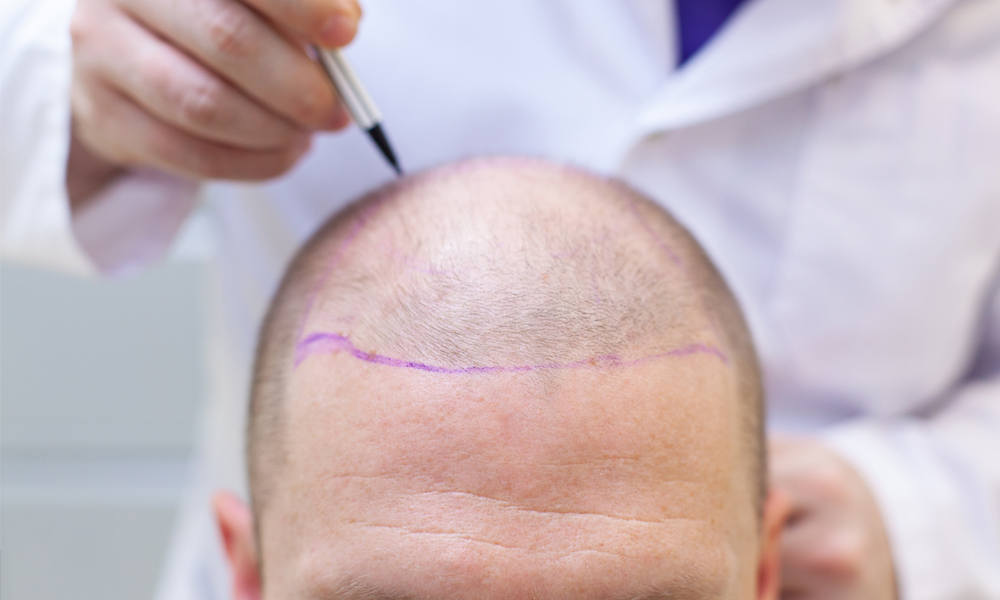
    Platelet-rich plasma (PRP) is a non-surgical therapy that is applied in treating hair loss and enhancing natural hair growth. It operates through the application of the healing qualities of one’s own blood to promote hair follicles. The popularity of PRP therapy is attributed to its safety, low downtime, and amount of enhancement in hair density in hair follicles that remain active.

    What Is PRP?

    PRP- Platelet-Rich Plasma- is an enriched constituent of blood that comprises a great number of platelets and growth factors. PRP Hair treatment in Coimbatore uses these growth factors, which are very important in tissue repair, cell regeneration, and follicle stimulation. PRP is used in the restoration of hair where the hair is thinning to enhance weak follicles and to improve the health of the scalp.

    What Is the PRP Treatment of Hair Loss?

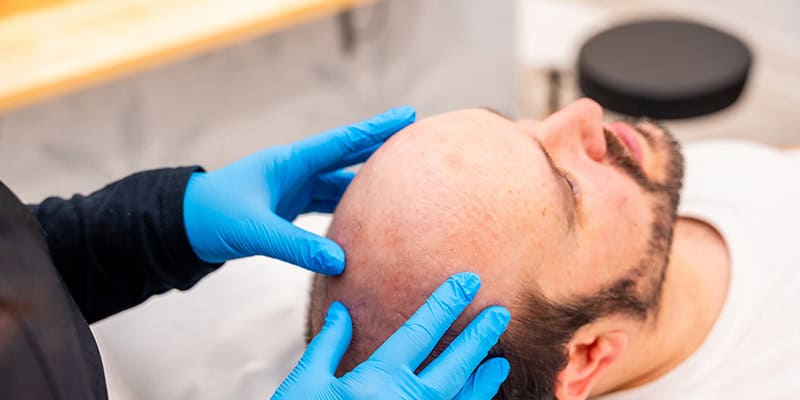
    This is done by taking a little bit of blood from the patient. A centrifuge is used to isolate platelet-rich plasma from the blood in order to separate it from the other blood components. The PRP is then injected into the specific parts of the head.

    When injected PRP enhances blood circulation to hair follicles, increases the hair growth cycle, and decreases hair fall. It also promotes slumbering follicles, and in the long run, it promotes thicker and healthier hair growth.

    Who can benefit from PRP Hair Treatment?

    PRP therapy applies to both men and women who are experiencing premature hair loss or pattern baldness. Patients who have active hair follicles react positively because PRP is unable to regenerate those hair follicles, which are fully dormant. People who lost their hair due to stress, or due to hormonal changes, causing hair thinning are also helped.

    What is the number of PRP Sessions required in hair restoration?

    PRP number of sessions needed is dependent on the level of hair loss and response to the treatment. The majority of patients are recommended to have three to four initial sessions with a span of four weeks between them. This first stage assists in stimulating the follicles of hair and decreasing the persistent loss of hair.

    Maintenance treatments are advised after the initial sessions to maintain the outcome. Maintenance sessions are normally performed after every four to six months, depending on the state of hair and the speed of hair loss.

    When Can Results Be Seen?

    PRP fails to yield immediate outcomes. The reduction of hair fall in patients can be detected in the initial weeks. The evidence of visible hair growth usually appears after three to four months and remains enhanced within six to twelve months. The newly developed hair can be thin at the beginning and get thicker with time and regular sessions.

    The pros of PRP Hair Treatment.

    PRP treatment is also a noninfectious treatment, as it involves the use of the patient’s own blood; thus, the risk of an allergic reaction is low. It has a minimal recovery time and can be used with other hair restoration methods. The treatment reinforces the already existing hair, enhances the texture of hair, and retards further thinning of hair.

  • Here’s What to Expect When You Order Zopiclone UK for Sleep Relief

    Here’s What to Expect When You Order Zopiclone UK for Sleep Relief

    Definitely, a good night’s sleep sometimes feels like chasing a dream. If you have been facing sleepless nights and are thinking about Zopiclone, you might have the question what happens to order Zopiclone UK as a sleep aid. Let’s discuss it in a laid-back manner so you will know step by step what to expect.

    What Is Zopiclone And How Does It Function?

    Zopiclone is a medication in the UK for treating insomnia and other sleep issues. Its main advantages are letting patients get to sleep faster and keeping them asleep longer and more soundly. When you order Zopiclone UK, you are generally in search of something that will give you that peaceful sleep you have been yearning for.

    The mechanism of Zopiclone is to slow down the brain’s activity which facilitates the total release and falling into sleep. It does not operate like a sedative that makes you unconscious before you know it; rather, it is a gentle push to your nervous system to lull into sleep. Hence, it is very much liked by people who experience sleepless nights as a result of their skulls being trainer-like.

    What To Expect With An Order Of Zopiclone Uk

    These days, you just need to follow a couple of simple steps to order Zopiclone UK hassle-free. The buying method is almost the same whether it is through a traditional pharmacy or an online service; in both cases, it is quite smooth and customer friendly.

    In the first place, you will have to provide your personal information along with any other relevant information concerning your sleeping disorder. If ordering online, you may need to go through a short assessment or consultation.

    After the order, the shipment of medication is often very quick, and sometimes it even comes with the instructions about its usage that are very easy to understand.

    Discreet packaging is used, and therefore your privacy is respected throughout the entire process.

    When you order Zopiclone UK you will receive the product together with pamphlet or information guide. The leaflet will cover the essentials of how to administer it safely, what the dosage means, and when to apply and how to avoid the common side effects.

    How To Properly Use Zopiclone For Sleep

    To get the most out of it, taking Zopiclone in the right way is essential. When you order Zopiclone UK, you’ll want to remember a few important points:

    • Take it when you are about to sleep, for its effects are quick.
    • When using Zopiclone, do not drink alcohol or take other depressants because doing so could result in very heavy drowsiness or dizziness.
    • It is indicated for short term use only, usually for a few days up to two weeks, so do not depend on it forever.
    • After taking it, make sure to get a complete night (at least 7-8 hours) so that you do not feel sleepy the following day.

    Following these recommendations will probably lead to a significant decrease in the time taken to fall asleep and an increase in the feeling of being refreshed in the morning.

    What Are The Common Experiences After You Take Zopiclone?

    The people using Zopiclone UK report that it indeed helps them turn off the active minds and deeper sleep, that’s why they fall asleep in no time instead of going through a restless night. It can be a relief after sleeping has been such a struggle that you have been counting sheep for hours already.

    Some users will have mild side effects such as dry mouth, slightly bitter taste, and hangover feeling next morning. However, these impacts do not last long and lessening in intensity till completely gone as one’s body gets used to the drug. If you are experiencing severe discomfort, however, please consult your doctor.

    Conclusion

    Buying Zopiclone UK as a sleeping pill may be a beneficial step if sleep has been hard to come by. It is a medicine that is created to treat those tough nights of insomnia, and many patients regard it as a dependable setting for the period of a few days up to weeks.

    Don’t forget responsible use, strict compliance with instructions, and avoid mixing it with drugs or substances that may impede each another- that is the key to success! With the right approach, you can order Zopiclone UK to bring back calm, restful nights and brighter mornings.

  • Dubai Hair Transplant: A Professional Month-by-Month Results Timeline and In-Depth Guide

    Dubai Hair Transplant: A Professional Month-by-Month Results Timeline and In-Depth Guide

    Hair transplantation in Dubai represents a strategic investment in personal appearance and confidence, facilitated by cutting-edge technology and expert surgical teams. Understanding the post-procedure growth timeline is critical for patients to align expectations with clinical realities. This comprehensive guide delineates the month-by-month hair transplant results timeline, highlights key factors influencing outcomes, and positions Dubai as a premier global destination for hair restoration in 2025.

    The Hair Growth Cycle Post-Transplant: Foundational Understanding

    Hair follicles inherently cycle through three phases:

    • Anagen (Growth Phase): Active hair production.
    • Catagen (Transition Phase): A brief phase signaling growth cessation.
    • Telogen (Resting Phase): Hair rests before shedding naturally.

    Post-transplant follicles undergo this same biological cycle, necessitating a measured timeframe for visible growth. Recognizing this natural progression is essential for setting patient expectations and designing effective post-operative protocols.

    Month-by-Month Hair Transplant Results Timeline in Dubai

    Week 1: Immediate Post-Operative Phase

    The initial week involves scalp healing marked by mild erythema, swelling, and scab formation around grafts. Patients typically resume normal professional and social activities within 3–5 days. Meticulous care to avoid disturbing grafts is emphasized to optimize follicle survival.

    Weeks 2–3: Shedding (Shock Loss) Phase

    During this period, transplanted hair shafts shed due to “shock loss,” a physiological process reflecting follicles transitioning into the resting phase. This phenomenon, while potentially disconcerting, indicates follicles remain viable beneath the skin, preparing for regrowth.

    Months 1–2: Dormancy Phase

    Clinically, the scalp appears stable with minimal visible hair growth as follicles undergo regeneration. Patient reassurance is critical during this stage to mitigate premature concerns.

    Month 3: Initial Hair Growth

    Early emergence of fine, vellus hairs marks the transition to active follicle proliferation. Hair strands are thin and irregular but signify the onset of successful engraftment and follicular activity.

    Months 4–5: Progressive Density Development

    Hair density improves progressively with increasingly uniform distribution across treated areas. This phase often coincides with adjunctive therapies such as Platelet-Rich Plasma (PRP) treatments, which have demonstrated efficacy in accelerating follicular recovery and strengthening hair shafts.

    Month 6: Midpoint Clinical Evaluation

    At approximately six months, patients typically observe 50–60% of anticipated hair restoration. Hair thickens, texture improves, and integration with native hair becomes more natural. This juncture allows for clinical reassessment and potential optimization of aftercare protocols.

    Months 7–9: Maturation Phase

    Significant maturation of transplanted follicles occurs, resulting in fuller, thicker hair with natural aesthetic characteristics. Patients benefit from continued nutritional support and avoidance of deleterious hair care practices to sustain growth quality.

    Months 10–12: Final Outcome Achievement

    By one year post-procedure, 90–100% of hair transplant results are realized. The reconstructed hairline appears fully natural, with robust texture and volume consistent with patient goals. This final stage marks the culmination of the hair restoration journey.

    Key Determinants Impacting Hair Transplant Outcomes in Dubai

    • Surgical Technique: Advanced methodologies such as Follicular Unit Extraction (FUE), Direct Hair Implantation (DHI), and Choi Pen implantation offer enhanced graft survival and expedited recovery.
    • Donor Site Integrity: The quality and density of donor follicles directly influence transplantation success.
    • Post-Operative Compliance: Patient adherence to clinical instructions is paramount to minimize complications and optimize results.
    • Lifestyle Factors: Nutritional status, smoking, and alcohol consumption affect follicular health and regeneration capacity.
    • Clinical Expertise: Dubai clinics distinguished by board-certified surgeons and comprehensive care protocols demonstrate superior outcomes.

    Evidence-Based Aftercare Protocols for Optimal Hair Transplant Success

    • Utilize only clinician-recommended cleansing agents and serums.
    • Avoid direct sunlight exposure, excessive heat, and strenuous physical activity for a minimum of two weeks.
    • Maintain elevated head positioning during sleep for the initial postoperative days to reduce edema.
    • Refrain from smoking and alcohol consumption for at least ten days post-surgery.
    • Attend all scheduled postoperative evaluations to monitor progress and intervene promptly if required.

    The Strategic Role of PRP Therapy in Hair Transplant Maintenance

    PRP therapy has emerged as a scientifically supported adjunct to hair transplantation. Administered typically starting at month 3 or 4 post-surgery, PRP leverages autologous growth factors to:

    • Enhance follicular strength and viability.
    • Expedite the anagen phase initiation.
    • Improve hair shaft thickness and density.

    Repeated sessions at clinician-directed intervals maximize therapeutic efficacy.

    Why Dubai Leads as a Hair Transplant Hub in 2025

    Dubai’s prominence as a hair restoration epicenter is underpinned by:

    • Access to state-of-the-art technologies (e.g., Sapphire FUE, DHI, Choi Pen) unavailable in many regions.
    • Highly credentialed, internationally trained surgeons with robust clinical experience.
    • World-class medical infrastructure combined with luxury patient experiences.
    • Competitive pricing structures relative to Western markets, offering excellent value for quality.
    • Streamlined medical tourism infrastructure facilitating patient travel and care continuity.

    Typical procedural costs range from AED 7,000 to AED 15,000 depending on graft quantity and technique complexity.

    Hair Transplant Growth Timeline Overview

    TimelineClinical PhaseObservable Change
    Week 1Healing & scab formationMinimal visible change
    Weeks 2–3Shock lossTemporary shedding
    Months 1–2DormancyNo significant growth
    Month 3Early growthAppearance of fine baby hairs
    Months 4–5Density progressionNoticeable thickening
    Month 6Midpoint evaluation~50–60% of final results
    Months 7–9MaturationFuller, natural hair density
    Months 10–12FinalizationStable, natural hairline

    Frequently Asked Questions (FAQs)

    Q1: What is the expected duration of a hair transplant procedure in Dubai?
    A: Procedures typically last 6–8 hours depending on graft volume and technique.

    Q2: What post-operative discomfort should patients expect?
    A: Local anesthesia mitigates intraoperative pain; mild swelling and tenderness may persist briefly after surgery.

    Q3: When is it safe to resume professional and social activities?
    A: Most patients return to routine engagements within 3–5 days post-transplant.

    Q4: Are transplanted hairs permanent?
    A: Transplanted follicles generally maintain resistance to androgenic alopecia, offering lasting results.

    Q5: What is shock loss, and how long does it last?
    A: Shock loss refers to temporary hair shedding post-transplant, resolving within weeks to months as follicles regenerate.

    Q6: Can individuals with underlying health conditions undergo hair transplantation?
    A: Eligibility is determined after thorough medical evaluation; certain conditions may require specialist consultation or delay.

    Q7: How should patients select the best hair transplant clinic in Dubai?
    A: Consider surgeon credentials, patient reviews, technology availability, and comprehensive aftercare services.

    Q8: Is insurance coverage available for hair transplantation procedures in Dubai?
    A: Typically, hair transplants are considered elective cosmetic procedures and are not covered by insurance.

    Conclusion

    Hair transplantation in Dubai embodies a confluence of advanced medical technology, expert surgical proficiency, and exemplary patient care. By comprehensively understanding the month-by-month results timeline and adhering to rigorous aftercare, patients can confidently navigate the path to natural, permanent hair restoration.

    Dubai’s unparalleled clinical standards and patient-centric approach make it the strategic choice for hair transplantation in 2025. This procedure is not merely a cosmetic intervention but a meticulously planned transformation delivering long-term aesthetic and psychological benefits.

    Author Bio:

    BM Digital Marketing Agency in Dubai, specializes in lead generation and digital marketing for health clinics. We deliver tailored SEO, PPC, website design, and social media strategies that attract and convert quality patient leads while driving clinic growth and patient engagement.

  • The Essential Guide to Choosing the Right Fall Protection Equipment for Safer Worksites

    The Essential Guide to Choosing the Right Fall Protection Equipment for Safer Worksites

    Moving on to the next point itself is risky about working at height. One wrong step and boom, you´re crippled for life. This is why there is no compromise in the safety standards of today and the fall protection equipment is as important as any other. Quality gear is more than regulation compliance; it’s confidence for employees, and zero disruption to your operation from avoidable hazards.

    The Foundation of Safety is in Gear

    Every job site is different. Some workers climb ladders. Some traverse rooftops; others are on aerial platforms to make repairs. Across all of these scenarios, dependable fall protection gear serves as the first line of defense. The motivation is simple: avoid falling, and if so, provide an impact buffer.

    Picking the proper skills recognizes the particular needs of the group. And that means not taking shortcuts that put people in harm’s way.

    Understanding the Core Components

    There are a few key pieces of fall protection systems that they depend on. Each of these help in protecting the worker. The risk is so low when these components function together.

    Some common fall protection equipment includes:

    • Full-body harnesses
    • Lanyards and lifelines
    • Anchor points
    • Self-retracting devices

    Every bullet has to be strong, tested, and appropriate for the job.

    Strength Isn’t Everything; Fit and Comfort Are

    Some think nice gear is where it all ends. But comfort is equally important. Workers wear harnesses for hours. Ill-fitting items distract and tire.

    Fall protection gear can come with higher quality padding, a more balanced weight distribution, and even adjustable straps. Workers put on confident work trousers and keep their focus on the job when the gear feels good.

    Durability Saves Money and Lives

    Attractive as it might seem, inexpensive equipment does not last long. However, cracked buckles, ripped straps and strained anchor lines are disasters waiting to happen. Quality fall protection equipment is made with durable materials that are meant to stand the test of regular use, combined forces, and weather.

    A well-built system − fewer replacements − less long-term cost. Most importantly, it maintains employee safety on every climb.

    Training Makes the Equipment Effective

    Even the best equipment is useless if people do not know how to use it. Workers need to know how to adjust harnesses, check components, and confirm anchor points are secured. And this is precisely why training is a key element in any safety scheme.

    Fall protection companies should also have some sort of regular inspections. Before something goes wrong − meaning accidents − you can unearth damage through early detection.

    Matching Equipment to the Job

    All tasks are not the same. Each of these solutions require something different − rooftop maintenance solution, construction framing solution, and electrical solution. Feel the working environment before purchasing gear.

    Look at:

    • Height levels
    • Potential fall distances
    • Available anchor points
    • Worker movement patterns

    It allows for a proper selection of fall protection equipment suited to conditions instead of expecting workers to adjust to ill-fitting tools.

    Final Thoughts

    Smart selections − and quality gear − are the keys to safe working at height. Purchasing quality fall protection equipment protects the company’s people, maintains safety, and health compliance and keeps costly problems from happening. Each harness, anchor, and lanyard help create a safer worksite − and no business can afford to ignore that.

  • Finding Excellence Essential Skills for Temp Dental Assistants

    Finding Excellence Essential Skills for Temp Dental Assistants

    Hiring temporary dental assistants offers great flexibility now. It skilfully bridges staffing gaps quickly. Dental offices consistently seek top talent. Quality patient care remains paramount always. A temporary assistant must integrate smoothly. They need core competencies immediately. Evaluating candidates demands very careful attention. Their reliable skills ensure practice continuity. It truly maintains high patient satisfaction levels. Kwikly helps connect busy offices with qualified dental professionals fast. Finding the right fit saves precious time. It decisively prevents workflow disruption. Smart hiring choices benefit the entire dental team. This guide outlines essential attributes. It focuses on necessary qualifications. Offices find success this way.

    Clinical Competence and Certifications

    A temporary dental assistant needs strong clinical skills. They must perform chairside duties flawlessly. Assisting with various procedures is crucial daily. Instrument sterilization demands precision always. Four-handed dentistry experience proves vital. A solid understanding of dental terminology remains essential. Radiography skills are often absolutely required. Those working as dental assistant temps must also understand state-specific expectations clearly. State-specific certifications are clearly mandatory for all. Local requirements vary sometimes significantly. Always check for current licensure carefully. Ensure valid X-ray certification is present. Basic life support BLS is also critical. These core qualifications verify true competence. They guarantee safe patient care delivery. A clinically skilled assistant greatly boosts office efficiency. This expertise offers immediate value. It ensures smooth daily operations seamlessly.

    Clear Communication Is Absolutely Paramount

    Assistants interact with patients constantly. Explaining procedures helps patients relax greatly. They answer patient questions thoroughly and kindly. They also collaborate effectively with dentists. Other team members rely on their clear input. Listening actively truly shows respect. Non-verbal cues matter greatly too. A genuinely positive attitude spreads cheer. Empathy comforts anxious patients often. Building rapport is essential always. A warm friendly demeanour relaxes everyone.

    Skill and Reliability

    Professionalism clearly defines a great temporary assistant. Ethical conduct is expected always. A strong tireless work ethic shines through. They complete tasks efficiently and accurately. Reliability builds strong vital trust. Offices desperately need dependable staff members. Temporary assistants represent the entire dental practice. Their conduct reflects on everyone. A professional demeanour leaves lasting positive impressions. Many practices rely on platforms like Kwikly to find assistants who embody this level of professionalism. They fit seamlessly into almost any team.

    Tech Savvy and System Familiarity

    Modern dentistry relies heavily on technology greatly. Dental assistants often use complex practice management software. Familiarity with electronic health records is absolutely key. Digital imaging systems are common everywhere. Intraoral cameras are used daily for diagnostics. Knowing these essential tools saves valuable training time. Basic computer skills are truly essential for every role. Troubleshooting minor tech issues helps immensely. Adaptability to new software is critical always. Many offices use different unique systems. A quick learner excels here consistently. Understanding digital workflows streamlines daily tasks. Efficient tech use boosts overall productivity. This vital skill set adds huge value.