

Sitting in the Dentist’s Chair With a Referral Slip in Hand
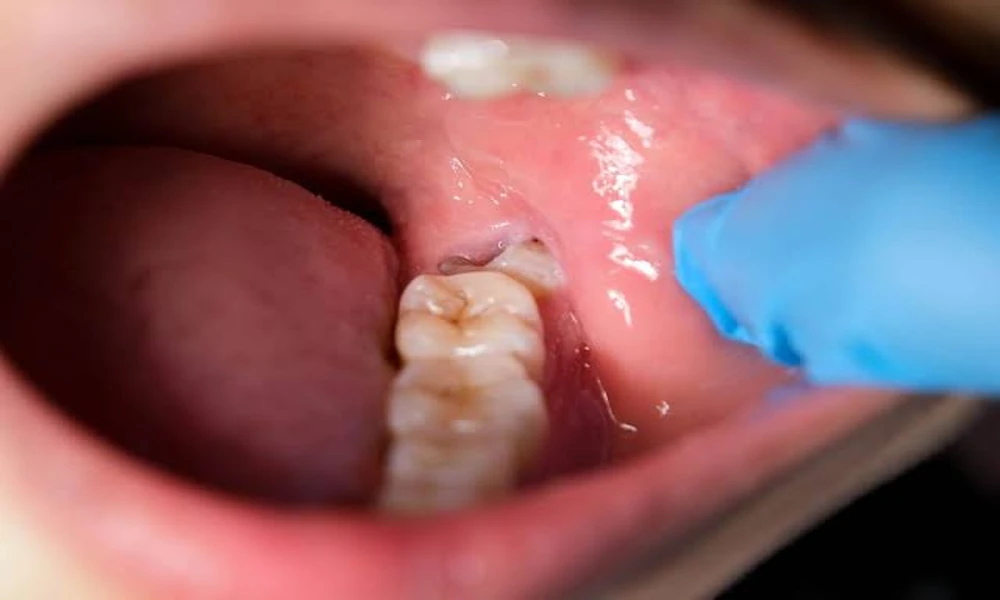
You just left a routine checkup and the dentist mentioned, almost in passing, that your lower wisdom teeth are impacted and need to come out before they cause problems. Now you’re holding a referral slip and trying to figure out what happens next. The jump from a casual mention during a cleaning to actually scheduling oral surgery can feel abrupt, especially when nobody hands you a clear roadmap for what the next few weeks will look like. Most people in this spot start Googling the same night, trying to understand what kind of procedure they’re facing and who actually performs it.
The confusion usually isn’t about whether the teeth need to go. Dentists are fairly consistent about flagging impacted or crowded wisdom teeth early. The real uncertainty is about the logistics: which provider handles the extraction, what kind of anesthesia makes sense for your situation, and how the whole thing gets paid for. Those three questions shape almost every decision that follows, and they’re worth sorting through before you book anything.
Comparing General Dentists, Oral Surgeons, and Sedation Levels
Not every wisdom tooth extraction requires the same type of provider. Some general dentists remove wisdom teeth routinely, particularly when the teeth have fully erupted and sit in an accessible position. Oral and maxillofacial surgeons handle the more complicated cases, including teeth that are angled sideways, partially trapped under gum tissue, or positioned near nerves. The distinction matters because the skill level required, the equipment on hand, and the pricing structure all shift depending on which route you take.
Sedation choice is where a lot of the cost variation comes from. Local anesthesia alone is the cheapest option and works fine for simple extractions, but it means you’re awake and aware during the procedure. Nitrous oxide adds a layer of relaxation without putting you fully under. IV sedation or general anesthesia costs more but is often recommended for impacted teeth, anxious patients, or cases where multiple teeth are coming out at once. When people start comparing quotes from different practices, the research tends to lead them toward resources that break down what drives wisdom teeth removal cost up or down, since the number on one estimate can look wildly different from another even for similar cases. Sites built specifically to walk patients through pricing, like wisdom teeth removal cost, tend to be more useful here than a general search, since they focus on the variables that actually move the price rather than generic dental advice.
Insurance coverage adds another layer of comparison. Some dental plans cover a portion of extraction costs but cap sedation coverage, leaving patients to pay out of pocket for the anesthesia portion even if the extraction itself is covered. Medical insurance occasionally steps in when the case is classified as medically necessary, though that classification varies by insurer and by how the surgeon documents the procedure. None of this is uniform, which is exactly why getting a written estimate before scheduling anything saves people from unpleasant surprises on the back end.
Weighing Provider Experience Against What You’ll Actually Pay
Price alone is a poor way to choose a provider, but ignoring it entirely isn’t realistic either. A practice charging noticeably less than everyone else in the area might be cutting corners on imaging, using outdated sedation protocols, or lacking the staff needed to handle complications if they arise. On the other end, a higher price doesn’t automatically mean better care; sometimes it just reflects overhead in an expensive part of town. The goal is finding a provider whose pricing lines up with their training, their equipment, and how they handle the specific complexity of your case.
Imaging is a detail people often overlook when comparing options. A panoramic X-ray or 3D scan lets the surgeon see exactly how close the roots sit to nerves and sinus cavities, which affects both the difficulty of the extraction and the price quoted. Practices that skip detailed imaging and rely on guesswork tend to run into complications more often, which can turn a routine extraction into a longer, costlier ordeal. Paying slightly more upfront for proper imaging frequently prevents bigger expenses down the road.
Recovery support factors into the decision too, even though it rarely shows up as a line item on the initial quote. Some practices include follow-up visits, pain management guidance, and a direct line to call if swelling or bleeding becomes concerning. Others leave you with a printed sheet and a phone number that goes to voicemail after hours. Asking about this upfront, rather than assuming it’s included, gives you a fuller picture of what you’re actually paying for beyond the hour in the chair.
