Category: Health

  • What Foods Help Knee Pain?

    What Foods Help Knee Pain?

    If you frequently feel deep aches or sharp pains in your knees, you’re one of the millions of Americans who suffer from chronic knee pain.

    Knee pain can be the result of many different things, including sports injuries, joint inflammation, and autoimmune disorders. Whatever the cause, knee pain can seriously impact your quality of life and keep you from truly enjoying yourself.

    When it comes to treating knee pain, there are endless approaches out there. Many people opt for pain medications, while others need more extensive solutions, like surgery.

    Some knee pain can be reduced by making simple changes to your eating habits. What you eat can reduce inflammation and decrease your chronic knee pain over time. The following are eight foods that can help you fight off knee pain:

    Cherries

    Cherries contain a compound called anthocyanins, which are known to reduce inflammation. Whether it be snacking on cherries or having an occasional glass of cherry juice, you can lower the inflammation in your knee and decrease overall pain.

    Avocados

    Avocados are a great part of any diet because they offer a multitude of health benefits, including reduced inflammation throughout the body. Avocados also contain vitamin E, which is linked to connective tissue health. The combined effect of lower inflammation and connective tissue support can make a major difference in your knee pain.

    Orange Root Vegetables

    Orange root vegetables, like carrots, sweet potatoes, and butternut squash, can also reduce inflammation in your knee. This is because they contain a high content of antioxidants that can lower the risk of inflammatory conditions like rheumatoid arthritis.

    Walnuts

    Walnuts are another great food for reducing knee pain because they have a high ALA content. ALA can act as an anti-inflammatory as well as lowering cholesterol and reducing your risk of heart disease.

    Fatty Fish

    One of the best foods for reducing knee pain is fatty fish. Fish that are high in omega-3 fatty acids can suppress the production of enzymes that erode your cartilage.

    Omega-3 fatty acids also fight the inflammation that exacerbates arthritis symptoms. To see optimal benefits, doctors recommend having about four 6-ounce servings of fatty fish every week.

    Green Tea

    Green tea is one way to reduce your knee pain through what you drink. Frequently consuming green tea increases your antioxidants and polyphenols. Both of these nutrients slow cartilage destruction and reduce inflammation levels within the body.

    Knee Pain Treatment

    From drinking green tea to taking over-the-counter painkillers, there are many ways to address your chronic knee pain. Many people are even turning to regenerative options like stem cell therapy and PRP therapy. If you suffer from ongoing knee pain, speak to your physician about your potential treatment options.

    This post was written by a medical professional at Stemedix Inc. At Stemedix we provide access to Regenerative Medicine for knees, also known as Regenerative therapy for Knees! Regenerative medicine has the natural potential to help improve symptoms sometimes lost from the progression of many conditions.

  • Fighting for Their Lives/ Navy Veterans’ Struggle with Mesothelioma and Lung Cancer

    Fighting for Their Lives/ Navy Veterans’ Struggle with Mesothelioma and Lung Cancer

    Understanding Asbestos Use in the Navy

    Asbestos was once hailed as a miracle material for its fire-resistant properties, making it an ideal choice for use in naval ships. Its prevalence in shipbuilding materials from the 1930s to the late 1970s meant that Navy veterans who served during this period were often in close contact with asbestos-containing materials.

    The use of asbestos was widespread in various applications aboard ships, including insulation for pipes, boilers, and electrical systems, as well as in gaskets, valves, and cement. The confined spaces and poor ventilation of naval vessels exacerbated the risk of asbestos fiber inhalation among the crew.

    When these materials aged or were damaged, asbestos fibers could become airborne, posing a significant health risk to those on board. The process of maintenance, repair, or decommissioning of ships often disturbed these materials, releasing fibers into the environment. Navy veterans who worked in shipyards or specialized in occupations such as boiler technicians, pipefitters, and machinists were particularly at risk.

    High-Risk Occupations and Environments

    Within the confines of naval ships and shipyards, certain roles were more likely to encounter asbestos on a daily basis. These high-risk occupations included, but were not limited to:

    • Boiler technicians who maintained and repaired ship boilers, often insulated with asbestos.
    • Pipefitters responsible for the installation and repair of piping systems, which were commonly wrapped in asbestos-containing materials.
    • Machinists who operated and maintained heavy machinery, where asbestos was used for its heat-resistant properties.

    The environments in which these veterans worked were often enclosed and poorly ventilated, exacerbating the risk of asbestos inhalation. Engine rooms, below-deck areas, and other operational spaces were typical hotspots for asbestos exposure. The constant handling of asbestos-containing materials, combined with the lack of adequate protective gear, left many Navy veterans unknowingly breathing in toxic fibers that would later manifest as serious health conditions.

    The Latency Period of Asbestos-Related Diseases

    The latency period for asbestos-related diseases is a critical factor in the lives of Navy veterans who have been exposed to asbestos. This period, which can span decades, is the time between initial exposure and the onset of symptoms. During this time, microscopic asbestos fibers can cause gradual and often unnoticed damage to the lungs and other organs.

    Veterans may retire from service without any immediate health issues, only to find themselves facing a diagnosis of mesothelioma or lung cancer years later. The latency period can vary greatly among individuals, influenced by factors such as the duration and intensity of exposure, as well as genetic predispositions.

    Understanding the latency period is essential for veterans and healthcare providers alike. It underscores the importance of regular health screenings and vigilance for symptoms, even long after exposure has ceased. For those diagnosed with mesothelioma, some law groups offer support in seeking compensation. Additionally, it’s crucial to be aware of the legal time frames for seeking justice, as the statute of limitations in states like Washington is three years.

    Diagnosis and Challenges: The Onset of Mesothelioma

    Identifying Symptoms and Seeking Help

    Recognizing the symptoms of mesothelioma is critical for navy veterans who may have been exposed to asbestos. Early signs can be easily mistaken for less serious illnesses, which is why awareness is key. Symptoms such as persistent coughing, shortness of breath, and chest pain warrant immediate medical attention.

    Veterans should take the following steps to seek help:

    1. Document symptoms: Keeping a detailed record of symptoms and how they affect daily life can be helpful during a medical evaluation.
    2. Consult a healthcare professional: It is essential to see a doctor, preferably one who specializes in asbestos-related diseases, as soon as any symptoms arise.
    3. Undergo diagnostic tests: These may include imaging scans and biopsies to confirm the presence of mesothelioma.
    4. Explore treatment options: Once diagnosed, discussing potential treatments with an oncologist is crucial.

    Many resources are available to assist veterans in this process, including specialized websites and support groups. One such [website page provides information on mesothelioma](#), covering symptoms, diagnosis, treatment options, and support resources for patients. It also offers opportunities for newsletter sign-up and making donations to support the cause.

    Navigating the Healthcare System

    For Navy veterans diagnosed with mesothelioma, the journey through the healthcare system can be daunting. Initially, securing an accurate diagnosis requires visits to specialists who are familiar with asbestos-related diseases. Once diagnosed, veterans must understand their treatment options and the associated costs.

    Navigating the healthcare system involves several key steps:

    • Identifying Appropriate Care Providers: Veterans need to find oncologists and medical facilities that specialize in mesothelioma treatment.
    • Understanding Insurance and VA Coverage: It’s crucial to comprehend what treatments are covered by private insurance and what benefits the Department of Veterans Affairs (VA) provides.
    • Coordinating Care: Effective treatment often requires coordinating between various healthcare providers and services.
    • Managing Appointments and Treatments: Keeping track of numerous appointments, treatments, and follow-up care is essential for a comprehensive treatment plan.

    Amidst these challenges, veterans may also encounter bureaucratic hurdles and delays in treatment authorization, which can add to the stress of fighting a life-threatening illness. Support from family, friends, and veteran advocacy groups can be invaluable in helping navigate these complex systems.

    The Emotional and Financial Toll of Mesothelioma

    For navy veterans diagnosed with mesothelioma, the battle is not only physical but also emotional and financial. The shock of a mesothelioma diagnosis can be overwhelming, leading to a range of emotions from fear and anger to depression. Veterans may struggle with the reality of facing a life-threatening illness and the uncertainty of their future.

    The financial burden of mesothelioma is equally daunting. Treatment costs can quickly accumulate, and many veterans find themselves facing:

    • High medical bills for surgeries, chemotherapy, and radiation
    • Ongoing costs for prescription medications and palliative care
    • Lost wages due to inability to work
    • Travel expenses for specialized treatment

    Despite VA benefits and other compensation options, the out-of-pocket expenses can be crippling for veterans and their families. The stress of financial strain adds to the emotional toll, making it essential for veterans to seek comprehensive support to navigate these challenges.

    Legal Recourse and Compensation for Veterans

    VA Benefits and Disability Claims

    Navy veterans diagnosed with mesothelioma or lung cancer due to asbestos exposure may be eligible for benefits and compensation through the Department of Veterans Affairs (VA). These benefits can provide much-needed financial support and access to medical treatments.

    • Disability Compensation: Veterans with service-connected asbestos-related diseases can apply for disability compensation. The amount received depends on the severity of the condition and the degree of disability as determined by the VA.
    • Health Care: The VA offers health care benefits to veterans, which includes treatment for mesothelioma and other asbestos-related conditions.
    • Dependency and Indemnity Compensation (DIC): For families of veterans who have died from service-related health issues, DIC provides monthly benefits to surviving spouses, children, or dependent parents.

    Navigating the VA claims process can be complex. Veterans are often advised to seek assistance from accredited agents or attorneys who specialize in VA claims to ensure they receive the full benefits to which they are entitled. Timely filing of claims is crucial, as is providing thorough medical documentation linking the disease to service-related asbestos exposure.

    Asbestos Trust Funds and Lawsuits

    Beyond the support provided by the Veterans Affairs, navy veterans suffering from mesothelioma have the option to seek compensation through asbestos trust funds and lawsuits. These funds were established by bankrupt companies that used or produced asbestos, to provide for current and future claims.

    • Asbestos Trust Funds: Veterans can file claims to receive compensation from these funds. The process involves proving exposure and disease, which a specialized mesothelioma lawyer can assist with.
    • Lawsuits: If a veteran’s asbestos exposure is linked to a company that is still operational, they may have the option to file a lawsuit. Successful cases can result in settlements or verdicts that provide substantial compensation.

    It is crucial for veterans to be aware of the statute of limitations for filing a claim, which varies by state. Legal professionals specializing in asbestos-related cases can offer guidance and help navigate the complex legal landscape. For more information, veterans can visit a comprehensive website that provides information on mesothelioma, asbestos exposure, VA benefits, legal compensation, and treatment options for patients. This resource includes support and guides for those affected, ensuring that veterans are not alone in this fight.

    The Role of Advocacy Groups in Supporting Veterans

    Advocacy groups play a pivotal role in supporting navy veterans who face the daunting challenges of mesothelioma and lung cancer. These organizations serve as a beacon of hope, providing guidance, resources, and a voice to those who might otherwise struggle in silence.

    • Education and Awareness: Advocacy groups educate veterans about their rights and the health risks associated with asbestos exposure. They also work tirelessly to raise public awareness about the plight of veterans suffering from asbestos-related diseases.
    • Guidance and Support: They offer personalized support, helping veterans navigate the complex maze of healthcare and legal systems. From assisting with VA claims to connecting veterans with specialized medical professionals, these groups ensure that veterans are not left to fend for themselves.
    • Legal Assistance: Many advocacy groups have legal resources that can help veterans understand and pursue compensation claims. They provide information on asbestos trust funds, lawsuits, and the intricacies of the legal process related to mesothelioma.
    • Policy Advocacy: Beyond individual support, advocacy groups also champion policy changes aimed at better protecting veterans and preventing future asbestos exposure. They lobby for stricter regulations, funding for medical research, and recognition of the sacrifices made by navy veterans.

    Advancements in Treatment and Care

    Emerging Therapies for Mesothelioma

    The battle against mesothelioma is witnessing a ray of hope as new treatments emerge, offering potential improvements in survival and quality of life for Navy veterans. These innovative therapies are the result of relentless research and clinical trials, aiming to target the disease more effectively than traditional methods.

    • Immunotherapy: This approach harnesses the body’s immune system to fight cancer cells, with drugs like pembrolizumab showing promising results in increasing patient survival rates.
    • Gene Therapy: By altering the genetic makeup of cancer cells, gene therapy seeks to either kill or halt their growth, providing a novel angle in mesothelioma treatment.
    • Photodynamic Therapy (PDT): PDT involves the use of light-sensitive drugs activated by specific wavelengths of light, targeting and destroying cancer cells while sparing healthy tissue.

    While these therapies are still under investigation, they represent a significant stride forward in the management of mesothelioma. Veterans affected by this aggressive cancer may soon have access to more effective treatment options, reducing the disease’s impact and extending life expectancy.

    Palliative Care and Improving Quality of Life

    For many Navy veterans with mesothelioma, palliative care becomes a central component of their treatment plan. This type of care focuses on relieving symptoms and stress, aiming to improve the quality of life for patients and their families. It involves a multidisciplinary approach that can include pain management, nutritional support, and emotional counseling.

    Key elements of palliative care include:

    • Comprehensive pain and symptom control
    • Psychological and spiritual support
    • Assistance with medical decision making
    • Coordination of care to reduce hospital visits

    Veterans may also access resources that help them understand their condition and the available care options. A variety of support groups and services offer guidance on navigating the complexities of mesothelioma treatment. Additionally, online platforms and organizations provide valuable information on lung cancer, mesothelioma, and asbestos-related diseases, as well as legal assistance and compensation options for victims. It’s important for veterans and their families to be aware of the statutes of limitations for legal claims and the notable compensation amounts that have been awarded in past cases.

    Clinical Trials and the Hope for a Cure

    Clinical trials represent the cutting edge of medical research and offer a beacon of hope for navy veterans battling mesothelioma. These trials are crucial for the development of new treatments that could potentially extend life expectancy and improve the quality of life for patients.

    Key aspects of clinical trials for mesothelioma include:

    • Innovative Therapies: Testing new drugs, combinations of treatments, or novel approaches like immunotherapy and gene therapy.
    • Rigorous Protocols: Ensuring patient safety through carefully designed studies that adhere to strict regulatory standards.
    • Voluntary Participation: Veterans have the opportunity to volunteer for trials, contributing to medical advancements while potentially receiving the latest treatments.

    Despite the promise of clinical trials, there are challenges to consider. Enrollment criteria can be stringent, and the experimental nature of treatments means outcomes are uncertain. However, for many veterans, the chance to participate in a trial offers not just a potential lifeline, but also the opportunity to aid in the discovery of a cure that could benefit future generations.

    Raising Awareness and Prevention Efforts

    Educating Current Service Members

    The fight against asbestos-related diseases extends beyond treatment to include proactive education and prevention. For current service members, understanding the risks associated with asbestos is crucial. The military has implemented comprehensive training programs to inform personnel about the dangers of asbestos and how to safely handle materials that may contain it.

    Key components of these educational efforts include:

    • Awareness of asbestos-containing materials and their common locations on ships and in infrastructure.
    • Proper use of personal protective equipment (PPE) when working in environments where asbestos exposure is possible.
    • Protocols for reporting and safely addressing the discovery of asbestos.

    By equipping service members with this knowledge, the Navy aims to prevent future cases of mesothelioma and other asbestos-related conditions. Continuous updates to training materials ensure that the information provided reflects the latest safety standards and research findings.

    Policy Changes and Asbestos Abatement

    In the wake of the asbestos crisis, significant policy changes have been implemented to protect current and future service members from exposure. These regulations are critical in preventing new cases of asbestos-related diseases among Navy veterans.

    • Asbestos Ban and Phase-Out: The use of asbestos in new construction and repairs within the Navy has been banned, with existing asbestos being phased out in a controlled and safe manner.
    • Strict Safety Protocols: Enhanced safety protocols now require proper protective equipment and training for personnel who may come into contact with asbestos.
    • Regular Monitoring: Ships and facilities undergo regular inspections to identify and manage any asbestos-containing materials.

    These measures, along with ongoing asbestos abatement programs, aim to create a safer environment for all service members. The abatement process involves the careful removal or containment of asbestos materials, ensuring that they do not pose a health risk. As policies continue to evolve, the focus remains on minimizing exposure and safeguarding the health of those who serve.

    Supporting Research and Public Health Initiatives

    The battle against mesothelioma extends beyond individual treatment and enters the realm of public health. Supporting research into this aggressive cancer is crucial for developing more effective therapies and ultimately, a cure. Public health initiatives play a pivotal role in both prevention and education, aiming to reduce the incidence of asbestos-related diseases among Navy veterans and the wider population.

    Key efforts in this area include:

    • Funding for scientific studies to understand the mechanisms of mesothelioma and how it can be better treated or prevented.
    • Campaigns to raise awareness about the dangers of asbestos exposure and the importance of early detection of mesothelioma.
    • Collaboration with international health organizations to share knowledge and resources, ensuring a global approach to tackling the disease.

    These initiatives not only honor the service of Navy veterans by safeguarding their health but also contribute to the well-being of future generations. It is through sustained commitment to research and public health strategies that progress is made, inching closer to a world where asbestos-related illnesses are a thing of the past.

  • How Useful Is The Detox Treatment For You In Your Recovery Period?

    How Useful Is The Detox Treatment For You In Your Recovery Period?

    In this digital world, you can encounter more people who consume drugs in their routine life. What do you think while looking at those people? Will you like to recover them from their illness or leave them alone? If you are a social activist and like to provide them with a different life in the future, then it is good to admit them to the rehabilitation center.

    The rehab centers have huge numbers of doctors, nurses, experts, specialists, therapists, counselors, and some other experts who are dedicated to their work. If you are ready to choose them, getting the best life is assured. You can live a normal life like others and enjoy more happiness and respect from others. 

    Get Valuable Dependence Procedures To Cure Addiction:

    The experts in the rehabilitation centers are involved in offering you stunning and effective treatments. They can provide the medicaments like the  –

    • detoxification
    • counseling for your addiction
    • Behavioral therapies
    • Mind-changing programs
    • Substance abuse and mental health-related therapies
    • depression related cure

    These are the fabulous treatments that doctors and therapists can offer you for the issue in your body. The essential goal of the counselor is to provide you a good counsel and make you a better person and have a good future.

    Where Can You Get The Healing Measures For Your Addiction?

    Searching is more important than hiring the best rehab centers, and if you are ready for your recovery or forced by anyone to join rehab hubs, then you must be aware of it. It will be the perfect option when you hire Detox to Rehab to get a marvelous and trusted recovery from your addiction.

    If you are ready for your therapy, you can enjoy using all sorts of the best medicaments and remedial measures to make you live an excellent life with your family. So, select the best rehab centers with many facilities, medical programs, and procedures for you. 


  • Wrinkle Removal: What are the Best Non-Surgical Procedures?

    Wrinkle Removal: What are the Best Non-Surgical Procedures?

    Wrinkles are one of the most common signs of aging, and many people want to reduce or minimize wrinkle appearance. But firstly, it’s important to understand a few key points about wrinkles: what types there are, what factors cause them, and which treatments can help with their appearance. In this blog post we will explore these questions in detail so you can determine which type of non-surgical wrinkle removal treatment is best for you.

    What Are The Types Of Wrinkles?

    Wrinkles most commonly occur due to natural aging, but can be caused by other factors as well. Fine lines, sometimes known as expression lines, are usually the result of frequent facial expressions over a period of time or sun exposure. Types of wrinkles that tend to be deeper and more pronounced, such as those seen under the eyes or around the mouth, are often caused by genetics and decreased elastin and collagen in the skin. Laugh lines are a common wrinkle type that form due to smiling and laughing throughout life. Sleep wrinkles appear when a sleeping posture puts excessive pressure on the face. Finally photoaging—the premature development of wrinkles due to UV exposure—is responsible for deep grooves, crow’s feet and dryness.

    What Causes Wrinkles?

    One of the main causes of wrinkles is time – as we get older, our skin’s collagen production decreases naturally and our skin becomes less elastic. In addition, repetitive facial expressions such as smiling or squinting can also cause wrinkles over time due to muscle fibers deepening the line in our skin. Additionally, constant exposure to sunlight can damage the skin and speed up the aging process by causing direct DNA damage as well as contributing to a decrease in collagen production. Finally, smoking also leads to premature aging as it narrows the blood vessels that supply your skin with essential nutrients leading to wrinkles. Taking proper care of your skin and avoiding these factors can help slow down the formation of wrinkles and keep you looking younger.

    Non-Surgical Treatments for Wrinkle Reduction

    Although surgery may seem like the fastest way to reduce wrinkles, there are several non-surgical treatments available that can provide significant wrinkle reduction.

    BTX Treatments

    BTX treatments are now being used as one of the most effective solutions for wrinkle removal. Typically performed by a medical professional, this non-surgical procedure uses tiny injections of BTX to relax the muscles in the face and reduce wrinkles caused by frequent facial movements. The results are remarkable; the appearance of wrinkles is visibly reduced after just one treatment, and since people can continue to express themselves naturally with an improved look, these treatments have become very popular in recent years. When it comes to wrinkle removal, BTX treatments provide impressive results that are sure to turn heads.

    Dermal Fillers

    Dermal fillers have revolutionized the field of anti-aging, offering a non-invasive way to dramatically reduce the appearance of wrinkles and fine lines. By essentially plumping up the skin’s surface, dermal fillers are a great alternative to more intense wrinkle removal treatments such as face lifts or chemical peels. In addition, these fillers can be used to subtly improve facial contours for individuals with shallow cheeks or thinning lips, giving them a much more youthful look. In most cases, results are seen almost immediately and can last from 6 to 18 months depending on the type of dermal filler used. As such, dermal fillers offer an effective way for individuals to restore their youthful faces without going through any extreme measures or incurring high expenditures.

    Ultherapy

    Ultherapy has become a popular option for wrinkle removal in recent years. This non-invasive procedure utilizes ultrasound technology to stimulate the production of collagen, resulting in a smoother, more youthful appearance. It can be used on areas such as the face, neck, and brow, which all tend to show signs of aging before other parts of the body. Ultherapy is quick and relatively painless compared to some other cosmetic treatments on the market.

  • ED Pills: What They Are, How They Work, and What They Cost

    ED Pills: What They Are, How They Work, and What They Cost

    Erectile dysfunction (ED) is a condition that affects around 30 million men in America and by some estimates, more than half of all men around the world. ED pills like Viagra and Cialis have been instrumental in challenging how people think about this condition and how they live with it. However, even with all the research completed on the topic, there there are myths and questions that surround them.

    BlueChew is a service that provides men with medications straight to their door every month, making it easier for them to treat this condition without having to speak to their regular doctor or visit their neighborhood pharmacy. It’s time to look at the specifics of ED pills and whether they’re a good choice.

    What Is an ED Pill?

    ED pills refer to medications that help a man address a common medical condition, one that can affect anything from their sexual relationships to their confidence on the job. Defined as the inability to either get or maintain an erection during sexual activity, ED can cause problems with confidence and relationships. Men may take ED pills that are prescribed by a doctor or they may choose a natural supplement instead.

    Three common medications are Sildenafil (the active ingredient in Viagra), Vardenafil (the active ingredient in Staxyn and Levitra), and Tadalafil (the active ingredient in Cialis). In addition to being just as effective as brand-name medications, they’re also more affordable. (The name BlueChew refers to the chewable tablets provided to men who may not want to swallow large pills.)

    How Does an ED Pill Affect the Body?

    An ED pill makes it possible to perform if and when the time is right sexually. It does not, contrary to popular belief, boost sex drive. It simply relaxes the muscles so blood can flow to the penis. Sometimes referred to as  PDE-5 inhibitors, they affect the enzymes that regulate the muscles. This is their general function, regardless of which one men take. However, users will have a different experience depending on which one they try.

    For instance, Sildenafil and Vardenafil stay in the body for about 6 hours, while Tadalafil stays there for about 36 hours. They also come in different dosages and have different side effects. (However, it’s worth noting that the side effects aren’t radically different from pill to pill, and they tend to be mild or non-existent for most men who take these pills.) Some men may take one over the other because it reacts better with their bodies. If someone is interested in ED pills, the one that they take will be based on conversations with their doctor as well as their own personal preferences.

    How Much Do ED Pills Cost?

    The cost of ED pills depends on where users purchase them, though they’ll typically pay less with non-branded medication as opposed to branded medication. BlueChew is a service that streamlines everything about getting ED tablets to users — including the bottom line. From the first session with a licensed medical provider to the first shipment of tablets, users might be surprised at just how affordable the whole thing can be.

    Should Men Buy ED Pills Online?

    Many men like to buy ED tablets online because it’s simpler. There are several reasons why a man may have ED. And even when there are clear trends, such as the odds of ED increasing over the age of 40, there’s still a lot of mystery wrapped up in the condition. The staff at BlueChew can say with certainty that sometimes the cause of ED is not always clear. It’s part of why BlueChew partners with trusted medical professionals and pharmacies to help men take action on the condition so they can get back in the swing of things.

    It’s safe to purchase tablets online, but it’s important to buy them from the right company. BlueChew is committed to providing effective medication in discreet packaging, and it only does so after users have been prescribed medication by a licensed medical provider.

  • Why You Should See a Dermatologist

    Why You Should See a Dermatologist

    Most people will wait for skin blemishes to go away without seeking treatment, but the blemishes might not go away. Persistent skin issues indicate serious underlying issues which require diagnosis and treatment at a dermatologist’s office. Dr. Samantha Robare Cypress treats acne, eczema, psoriasis, skin cancer, moles, and warts and offers cosmetic procedures. A dermatologist is knowledgeable about skin issues and will treat any serious conditions that a primary doctor does not treat. Moreover, they use modern technology and treatment plans to achieve these skin health benefits.

    They Treat Acne

    Although you can manage acne with a proper skincare routine and over-the-counter medications for acne, the blemishes might not be clear. A dermatologist will treat acne, which does not respond to over-the-counter anti-acne medications. The dermatologist will offer medical-grade cleansers which clear the acne and restore your skin. In most cases, you will not require medications to treat acne as the cleansers contain salicylic acid, which kills the acne-causing bacteria.

    Sometimes you may need oral medications that kill the bacteria and ointments that reduce the pores’ size. Acne can enlarge the pores making the skin prone to future breakouts. Moreover, the dermatologist might recommend laser therapy to elevate the sunken scars after an acne breakout.

    The Dermatologist Is Knowledgeable

    Although the beauty products you buy from beauty shops would eradicate skin blemishes, they might be counterfeit and lead to more skin breakouts. Therefore, you should opt for dermatological-tested products or buy them from your dermatologist. The dermatologist will know the science that goes into product creation. They will read the ingredient lists and determine the products which work for your skin.

    They Offer Dermal Fillers and Botox

    The injectable fillers and Botox can elevate fine lines and eradicate wrinkles and sagging skin. Although you might get these injections at a beautician’s office, it is better to seek the treatment at the dermatologist’s office. The dermatologist will administer the injection precisely, making it easy to achieve the desired results. Without proper training, a beautician will inject the fillers inappropriately, leading to an asymmetrical face. It is hard to reverse the dermal fillers, but they will eventually settle in the face, but Botox injections are easily reversible.

    The Dermatologist Offers Minimally Invasive Cosmetic Surgeries

    Scars and deformities on the face might lead to low self-esteem, but you can consult a dermatologist for corrective surgeries. They may eliminate the scars from acne and other skin blemishes. They may recommend a facelift to deal with a turkey neck and severe skin sagging.

    They Treat Skin Cancer

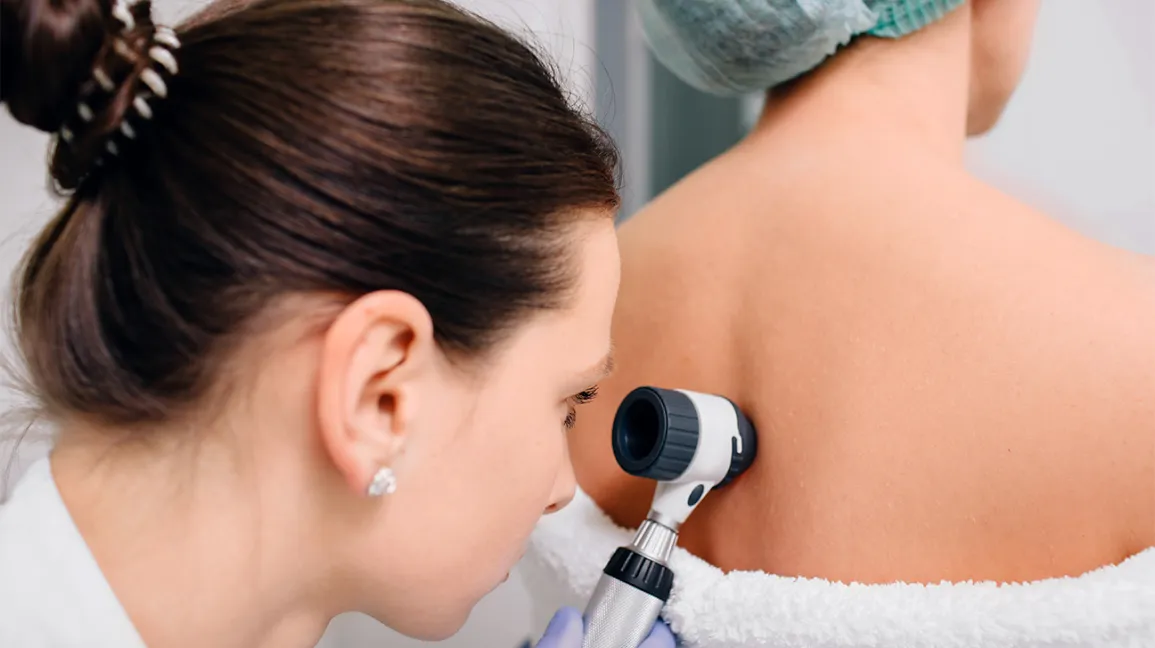
    It is difficult to notice skin cancer in the initial stages as it has subtle signs. But the dermatologist will notice skin changes, such as mole color and shape changes over time, and conduct a biopsy. Skin cancer is easy to treat in the early stages before it progresses into sores and open wounds, which are hard to manage.

    The skin is delicate, and you should see a certified dermatologist or beautician to deal with the skin problems. They will notice the subtle skin cancer symptoms, such as changing mole size and color. The dermatologists are knowledgeable and will recommend the right products which work for your skin type. They will read the product ingredient list, thus, eliminating the risks of buying counterfeit products. Moreover, they treat acne, psoriasis, and other blemishes and offer the best skincare routine.

  • Tools required for calculating humidity and temperature while growing marijuana indoors 

    Tools required for calculating humidity and temperature while growing marijuana indoors 

    Prepare yourself with these affordable, simple-to-use measuring tools to take measurements in your cannabis setup indoors.

    Let us take you through the most important ones mentioned below:

    Thermometer: A simple one will enable you to gauge the temperature inside your garden.

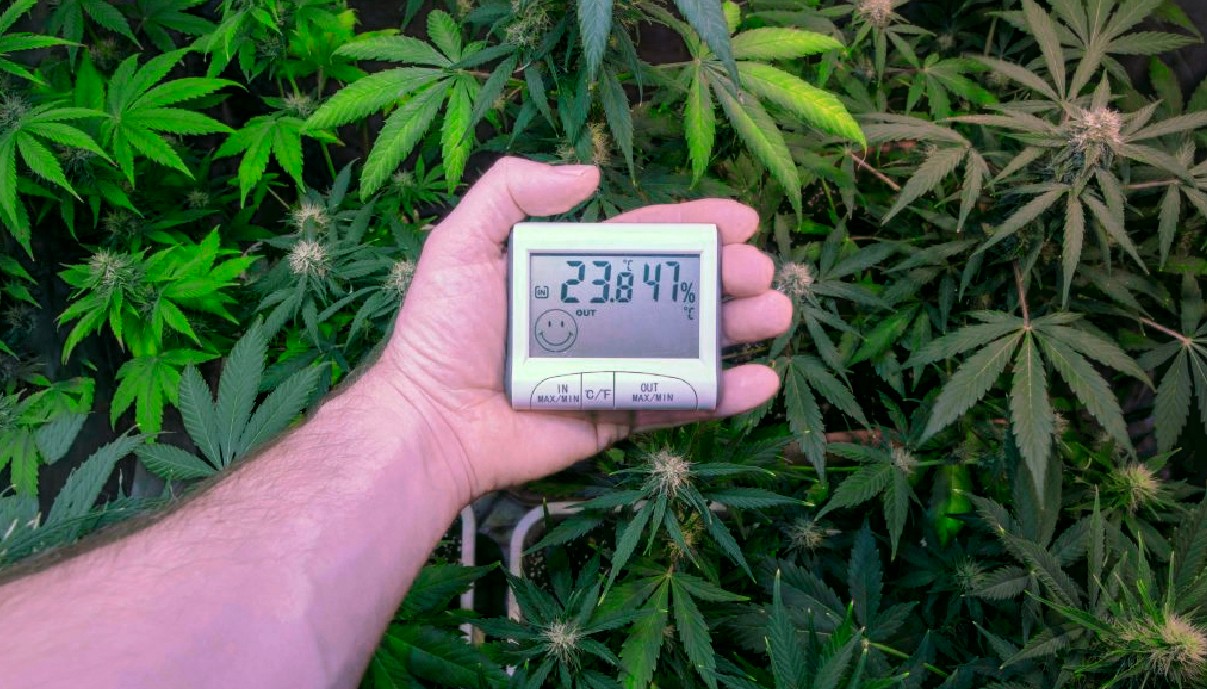
    Hygrometer: This instrument measures air moisture content, or more specifically, humidity.

    Infrared thermometers, also known as IR thermometers: Measure surface temperatures using a thermopile, a detection tool. Although not required, these are useful in determining leaf temperatures because they will provide you with additional knowledge about how to regulate environmental conditions.

    Controlling the temperature

    You can manipulate these factors to control the temperature in your cannabis garden or indoor grow space:

    Lights: Various grow lights emit various heat signatures. Compared to LEDs, hot lights like MH, HPS, and fluorescents produce a lot more heat. In order to alter the temperature at the canopy level, lights can also be raised or lowered.

    Airflow: Using fans and ducting, you can draw fresh, cool air (down low) out of the garden and remove warm air (up high) from it. Fans can also aid in air exchange within your canopy, cooling the leaves as a result.

    ACS: If your grow space is too hot and the fans aren’t doing the trick, you might need to bring in an air conditioner to quickly reduce the temperature throughout.

    Heaters: Some gardens might need warm air, especially when the lights are off and there isn’t any heat being produced.

    Can weed plants survive the extreme cold?

    A weed plant can grow slowly and suffer negative effects when temperatures drop below 50°F. It could freeze if it gets even colder.

    Controlling humidity

    Here are a few methods to manage it in your marijuana growing space:

    Dehumidifiers: Dehueys dry the air out while also raising the temperature.

    Airflow: Just like controlling temperature, controlling airflow enables you to move moisture into and out of your growing area and manage humidity. By simply opening a space, such as your grow room or tent’s door, you can reduce humidity.

    Humidifiers: If the growing space is too dry, a humidifier can add water vapor and raise moisture levels.

    Water: To add more moisture to plants without a humidifier, you can mist them with a spray bottle.

    What garden tools are required to grow marijuana?

    All gardens require a hoe, spade, garden rake, trowel, measuring stick, and planting line. For larger, intensively cultivated gardens, a wheel hoe or hand cultivator is practically required. For bigger gardens, a seed drill would be ideal. Maintain a clean and sharp edge on all tools.

    Conclusion

    Get the best Cannibis Seeds For Sale from Weed Seeds USA. Get shopping for Cannibis Seeds For Sale now.

  • Effects of Marijuana For Sleeping

    Effects of Marijuana For Sleeping

    If you are suffering from poor sleep, CBD may be an effective solution. However, before you try CBD, you must critically evaluate the source of this compound. It is also important to consult your doctor before taking any CBD weed. The dosage should be appropriate for your condition. In addition, you should consider the potential side effects before taking this remedy.

    Cannabinoids

    While the effects of cbd marijuana, also known as Erba Legale, for sleeping are still not well understood, some scientists believe that cannabis may have beneficial effects. Cannabis has the ability to alter the structure of sleep, meaning that it alters the time people spend in different stages. Short-term use of cannabis increases the time people spend in deep sleep, which helps them wake up refreshed. It also reduces the amount of time people spend in rapid eye movement (REM) sleep, which is where they dream and process emotions.

    There are two main cannabinoids found in marijuana: THC and CBD. CBD is a non-psychoactive cannabinoid that is being studied for its sleep-promoting benefits. The THC compound induces sleep by activating CB1 receptors in the brain. It also shortens sleep latency and promotes slow-wave sleep, which is important for cerebral restoration.

    Cannabinoid system

    The role of the endocannabinoid system in the regulation of sleep-wake cycles is widely recognized. It affects the circadian rhythm of many multicellular organisms. In humans, it modulates several physiological processes including sleep-wake cycles, food intake, and mood. It also modulates the activity of the central circadian pacemaker and other circadian clocks.

    Understanding how eCBs work may help improve the quality of sleep and reduce the risk of developing sleep disorders. Sleep is an essential function of the nervous system, contributing to the body’s energy levels, memory, and cognition. Disrupted sleep is a major contributor to many disorders, including psychiatric and substance abuse disorders. Because of this, understanding the function of the endocannabinoid system in sleep is increasingly important.

    Side effects of cbd weed

    CBD can help you fall asleep and improve your quality of sleep. However, it has some negative side effects that should be considered before you use it. For instance, CBD may interact with certain medications, including blood thinners and certain anti-seizure drugs. However, these side effects should fade over time, especially if you regularly take cbd.

    CBD can also cause drowsiness when consumed in large doses. This is likely caused by the calming effects of the substance. However, this side effect should not prevent you from using cbd for sleeping.

  • Regenerate Your Youthful Contours With Non-Invasive Thermage FLX Treatment

    Regenerate Your Youthful Contours With Non-Invasive Thermage FLX Treatment

    As we age, our skin elasticity loosens and collagen production reduces which leads to loss of skin thickness, tone, strength, and resilience. The youthful contours disappear and our skin starts to sag. However, with the technological advancements in the medical field, it is possible to get back the youthful contours and much firmer and younger skin. 

    Treatment for youthful skin

    Thermage FLX is one such non-invasive treatment that stimulates the skin to produce new and healthy collagen. The treatment is done by generating high-energy radiofrequency that uses the Mono-polar RF technology. 

    The waves penetrate the deeper layers of the skin heating the skin cells and stimulating collagen formation. It tightens the existing collagen tissues so that there is an immediate improvement in skin elasticity. 

    Best place to get the treatment done

    Retens Medical has the best medical aesthetic team providing efficient and reliable services with high-end technology. Located in the heart of Tsim Sha Tsui, this medical beauty centre offers a full range of medical service treatments and solutions to solve any kind of skin problem. They use genuine, safe, and authentic products and reliable treatment courses handled by experienced doctors with no hidden charges. Their 10 years of experience have earned them a good reputation that has made them win the Favourite Frozen Age Medical Beauty Centre Award in the she.com Beauty Awards 2021.

    Areas that can be treated

    Every treatment is designed and the method of “lifting vectors” is used for the best results so that the problem areas can be treated. Some of the areas that can be improved with the treatment are:

    • Facial contours: improving skin thickness with subtle eyebrow lifting.
    • Eyelids: improving the skin texture around the delicate eye area for a modest lift.
    • Lowers jaw area and neck:  tightens the skin and softens the appearance of facial folds, enhancing the jawline.
    • Body: improves skin thickness and makes it firm.

    Treating fine lines around the eyes

    The latest generation of this non-invasive treatment is the Thermage 眼 treatment, which is currently the only FDA-approved treatment for an instant lifting effect to brighten the eyes. It is suitable for the thin skin around the eyes and improves the upper eyelids and the fine lines around the eyes. 

    The latest generation of smart probe 4.0 is more effective and can reduce the treatment time by up to 25%. It also improves the vibration mode, which makes the procedure even more comfortable for the patients.

    Benefits

    The benefits of Thermage treatment are long-lasting with a proper skin regime even if the ageing process continues. During the procedure, radiofrequency energy waves penetrate the deeper layers of the skin cells and target the collagen tissues. The warm and cool vibrations are quite comfortable for the person as they never feel the heat from the device. The session usually lasts for 30 to 90 minutes with little to no adverse effects. 

    • It is a non-invasive treatment procedure with the best results.
    • Enhances skin texture and quality.
    • Smoothens fine lines and wrinkles.
    • Lifts facial contours.
    • Fights signs of ageing. 

    You will notice an improvement in your skin texture immediately after the procedure and can soon resume normal activities. 


  • Why Abilify Is a Smart Choice

    Why Abilify Is a Smart Choice

    Antipsychotics of the second generation or atypical kind are often used by people with bipolar disorder for mood management. Although it may be advantageous, there is always the risk of unwanted side effects.. Antipsychotic drugs may have a variety of adverse effects, including dizziness, nausea, vomiting, weight gain, fatigue, and seizures. Patients commonly stop taking pharmaceuticals because of side effects, despite the fact that the benefits outweigh the drawbacks. Aripiprazole, on the other hand, stands out among the atypical antipsychotics since it offers some advantages not seen in the others. So what is good about abilify?

    Mania may be effectively treated with atypical antipsychotics in people with bipolar disorder

    Moreover, they have been shown to help reduce stress. Dopamine levels are generally restored by the majority of medications. It has been shown that manic episodes and psychosis are both associated with high levels of dopamine. Having too little might lead to depression. Atypical antipsychotic drugs affect serotonin levels and have antihistamine qualities in addition to their usual antipsychotic effects. Blocking histamine enhances an antipsychotic’s sedative effects.

    The problem with atypical antipsychotics is that most of them have undesirable side effects for certain people. If the patient’s side effects are severe, they may then discontinue taking their medication without the help of a doctor. The lack of efficacy is another common reason why patients discontinue taking their medication. People with bipolar disorder often take drugs including risperidone (Risperdal), quetiapine (Seroquel), and olanzapine (Zyprexa).

    Is there any treatment for bipolar disorder since there are so many medications that have adverse effects?

    Researchers from the Catholic University of Korea monitored 77 patients for twenty-four weeks under the guidance of Dr. Young Sup Woo. For the purpose of testing whether or not aripiprazole (Abilify) is more effective and/or has fewer side effects than the previous therapy, individuals who were previously on an atypical antipsychotic were switched to aripiprazole.

    Aripiprazole has a variety of benefits over other atypical antipsychotics, according to the conclusions of the specialists.

    The ability to withstand more

    Patients are said to stray from their treatment plan in percentages ranging from 20 to 60 percent. Ineffectiveness, side effects, and the patient’s belief that they do not need medication are a few of the factors contributing to this. Using aripiprazole instead of the prior medicine, researchers found that just 11% of those given the medication failed to adhere to the suggested treatment regimens (Abilify). Additionally, the public’s perceptions of medicine improved.

    A greater likelihood of a full recovery

    Remission is difficult to achieve in persons with bipolar disorder. Medicine has a 20% to 40% chance of remission, therefore it’s critical to get the best therapy possible. Only 7% of those who took part in the trial were believed to be in remission at the start of the study. That figure had climbed to 57% by the conclusion of the study. Difficulties concentrating, exhaustion, and depressive or suicidal thoughts all improved significantly.